
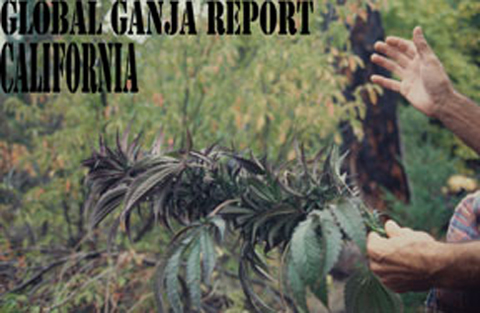
 A Sept. 30 Associated Press story that got wide play in Northern California and the Pacific Northwest marked another concern about the ecological impacts of outdoor cannabis grows in the Emerald Traingle. The NOAA Fisheries Service in its new coho salmon recovery plan for the Northern California and Southern Oregon region finds that water use by the marijuana industry further threatens salmon already in danger of extinction. The plan calls for determining and decreasing the amount of water that growers illegally withdraw from creeks where young fish struggle to survive. Other threats from the unregulated industry include clear-cutting to make way for grows, punching roads that send sediment into streams, and use of fertilizer and pesticides that poison waters. Coho salmon have been listed as a threatened species since 1997, due to loss of habitat from logging, agriculture, urban development and dams, as well as overfishing—issues also addressed in the recovery plan. The highlighting of cannabis stems from a California Department of Fish and Wildlife study that said growers suck millions of gallons of water from salmon streams.
 Two New York City cops have been disciplined after a disturbing video surfaced showing a 16-year-old boy pistol-whipped and beaten after being stopped on suspicion of pot possession. A Brooklyn grand jury is to begin hearing evidence in the case to determine whether criminal charges should be brought against the cops, according to the
  Dean Becker, a former reporter at non-commercial
 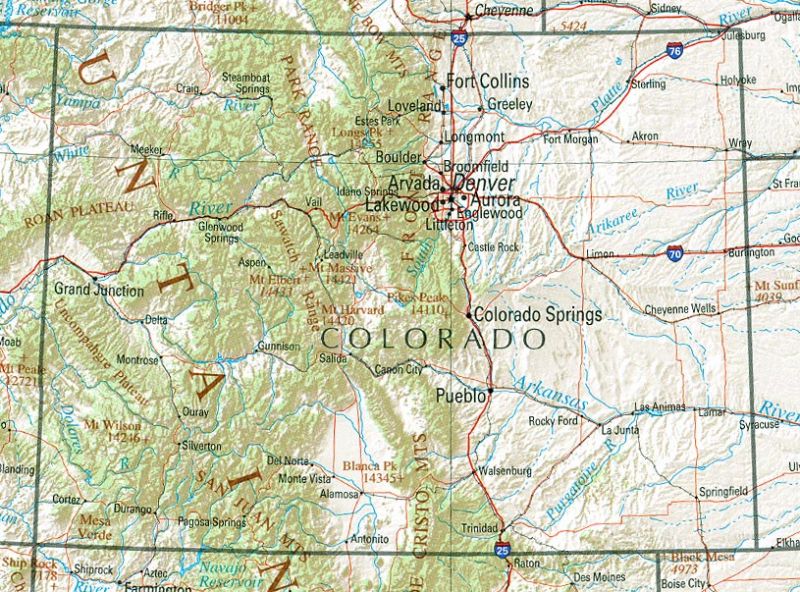 Well, here's some telling news. According to the
 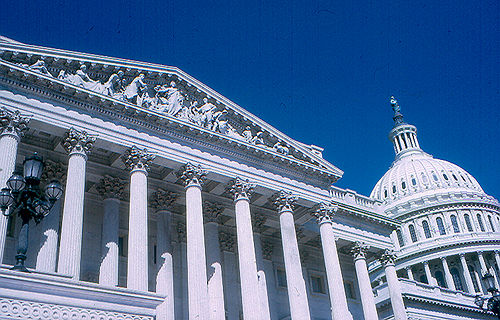 US Rep.
  The
The 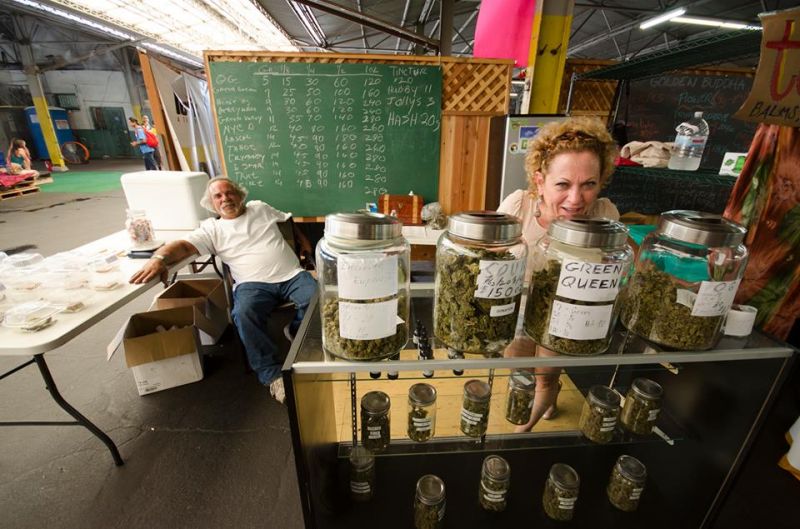 Los Angeles' first-ever marijuana farmers market was



Recent comments
15 weeks 20 hours ago
15 weeks 3 days ago
23 weeks 4 days ago
24 weeks 5 days ago
25 weeks 4 days ago
30 weeks 6 days ago
37 weeks 1 day ago
37 weeks 1 day ago
40 weeks 2 days ago
41 weeks 1 day ago