
 Medical marijuana advocates are telling President Barack Obama he has the power to reclassify cannabis after he said Jan. 31 it is up to Congress. In an exclusive CNN interview, Obama responded to a question about the federal cannabis classification by saying that, "what is and isn't a Schedule I narcotic is a job for Congress." Responded Steph Sherer, executive director of Americans for Safe Access (ASA): "President Obama just told the nation during his State of the Union address that because Congress has been unable to act, he would take executive action where he could on behalf of helping the American people,. The president has the authority to reclassify marijuana and could exercise that authority at any time."
 New York
  Some hundred New Yorkers gathered in the bitter cold Dec. 27 in front of the Adam Clayton Powell Jr. State Office Building in Harlem to protest mayor-elect
 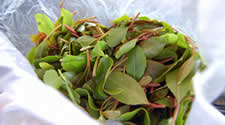 Muslim community leaders in Texas are protesting the latest outbreak of the perennial hype over the khat plant and its supposed links to terrorism. It began when a traffic stop near Houston last year turned up two men chewing the midly psychoactive but thoroughly illegal leaf. This sparked a year-long investigation involving local, state and federal agencies that has so far resulted in more than a half-dozen arrests. The
  In an historic move, the American Herbal Pharmacopoeia (
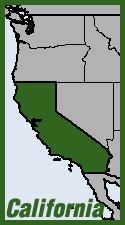 Four kayakers attempting to smuggle nearly 300 pounds of cannabis into the US were arrested at sea on the morning of Nov. 22, federal authorities announced. US
 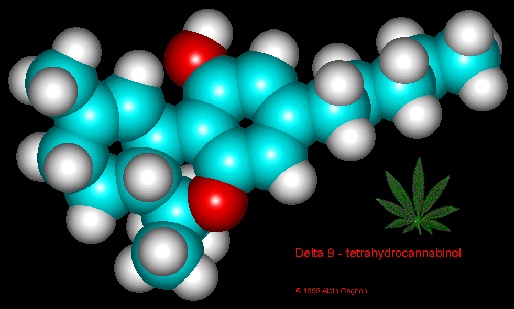 British firm



Recent comments
15 weeks 19 hours ago
15 weeks 3 days ago
23 weeks 4 days ago
24 weeks 5 days ago
25 weeks 4 days ago
30 weeks 6 days ago
37 weeks 1 day ago
37 weeks 1 day ago
40 weeks 2 days ago
41 weeks 1 day ago