
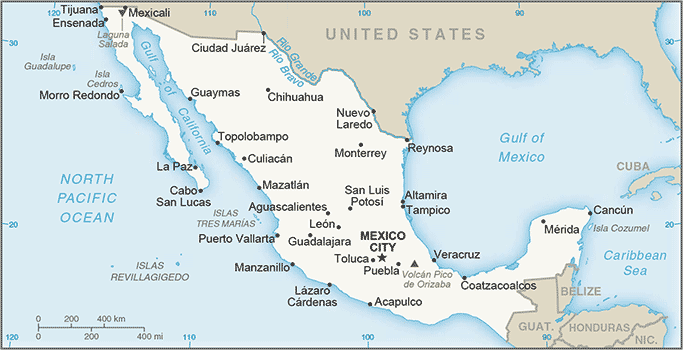
 There is a discomforting sense that Mexico is perpetually on the eve of cannabis legalization, as the country's Congress wins a six-month extension from the Supreme Court to pass a law freeing the herb. But foreign capital is already eyeing Mexico's emergent legal cannabis sector—even amid a terrifying escalation in the bloody cartel wars.
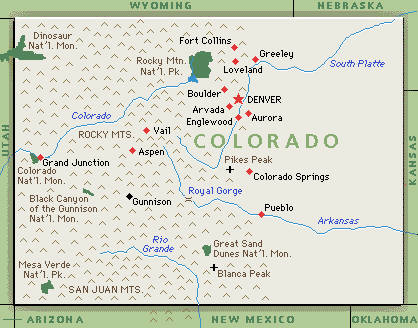 As a new law lifts restrictions on investment in Colorado's cannabis sector, many fear consolidation by big money—a concern uniting some small operators with cultural conservatives. But others see a growth opportunity for small enterprises.
 Bernie Sanders has released his plan for cannabis legalization, which features provisions to keep Big Tobacco from colonizing the new industry. But other exponents of corporate power are already getting a jump on the cannabis sector, and could just as effectively squeeze out independent operators.
 As the cannabis industry is embraced by corporate power and finance capital, the patenting of strains, products and applications is an increasing concern. But the international patchwork of legality makes for a confusing environment. Illegality has served as a paradoxical break on privatizing of varieties. Growers and advocates are devising means to protect the genetic commons in the new cannabis order.
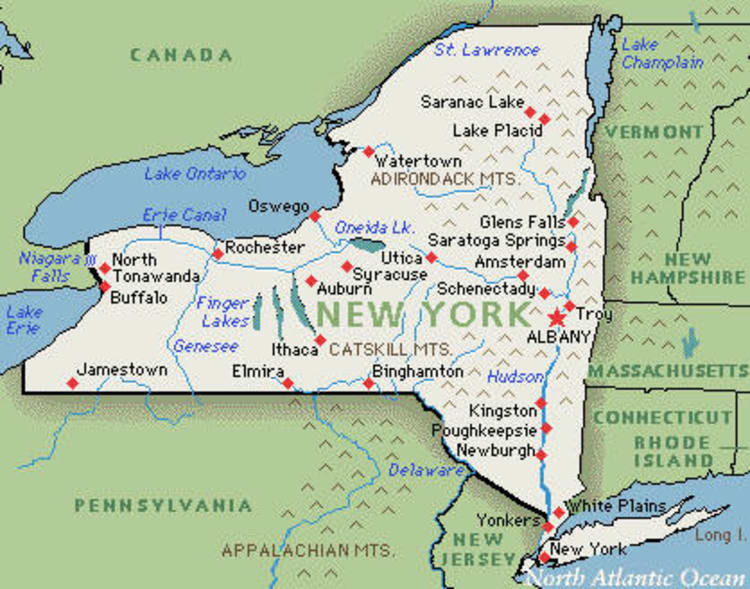 New York's Gov. Cuomo is broaching a cannabis common market for the tri-state area, joining with New Jersey and Connecticut to harmonize regulations and even cooperate in joint purchasing. But the move is being considered partly as a reaction to the vaping scare, and official statements reveal some dangerous confusion as to the distinction between vaping cannabis extracts and smoking actual cannabis.
 There has been significant progress toward cannabis legalization in the United States and globally over the past years, but pockets persist of the most repressive and reactionary prohibition. What are the prospects for expanding cannabis freedom in the coming year?
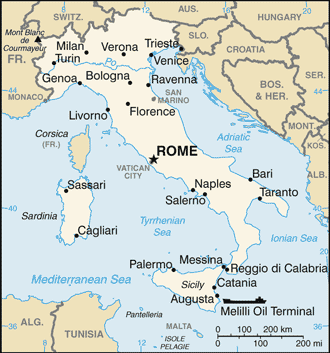 With the fall of Italy’s far-right government, advocates are hoping the path may be cleared now for the country to become Europe's first to formally legalize cannabis. Meanwhile, thanks to a loophole in the law, low-THC varieties are sold openly in shops across the country. And Italy’s internal THC limit is actually slightly higher than the ultra-cautious European Union standard.
 With the legal cannabis market increasingly dominated by "Big Bud," more Canadians are turning to homegrown—both for reasons of economy and an ethic of self-sufficiency. And they are fighting in the courts and the public squares for their right to do so—challenging both the federal limit on plants per household and efforts by two provinces to ban homegrown outright. So far, they are winning.



Recent comments
1 day 14 hours ago
16 weeks 3 days ago
16 weeks 6 days ago
25 weeks 14 hours ago
26 weeks 1 day ago
26 weeks 6 days ago
32 weeks 1 day ago
38 weeks 4 days ago
38 weeks 4 days ago
41 weeks 5 days ago