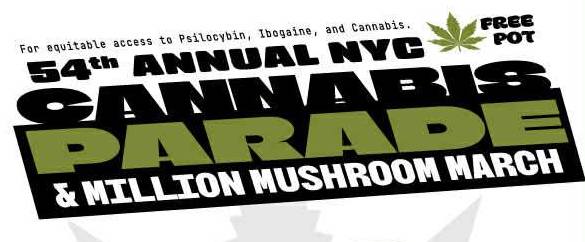
 After a one-year hiatus for just the second time since 1973 (the other being the pandemic year of 2020), New York City's Cannabis Parade returned to Lower Manhattan on May 3. The event had become increasingly mainstream in recent years, even drawing big-name politicians—like Sen. Chuck Schumer in 2021 and '22. The next year, the NYC Department of Small Business Services' new cannabis office issued a statement marking the event's 50th anniversary, and paying homage to its Yippie founders! The year after that, 2024, the City became an official partner in the event. But in 2025, the City would not grant a permit for either Washington Square Park or Union Square, the two traditional locations, and instead held a more commercialized NYC Cannabis Festival & Resource Fair outside the Harlem State Office Building on 125th Street. This year, however, downtown activists succeeded in getting a permit for a rally in Washington Square and march to Union Square, where a concert was held featuring the punk-reggae-hip-hop fusion bands Ricanstruction and Rebelmatic. The adversarial spirit, in spite of New York's legalization, brought the event back to its radical roots.
 President Donlad Trump on April 18 signed an
  Some of her fans fondly recall that Gilligan's Island co-star
 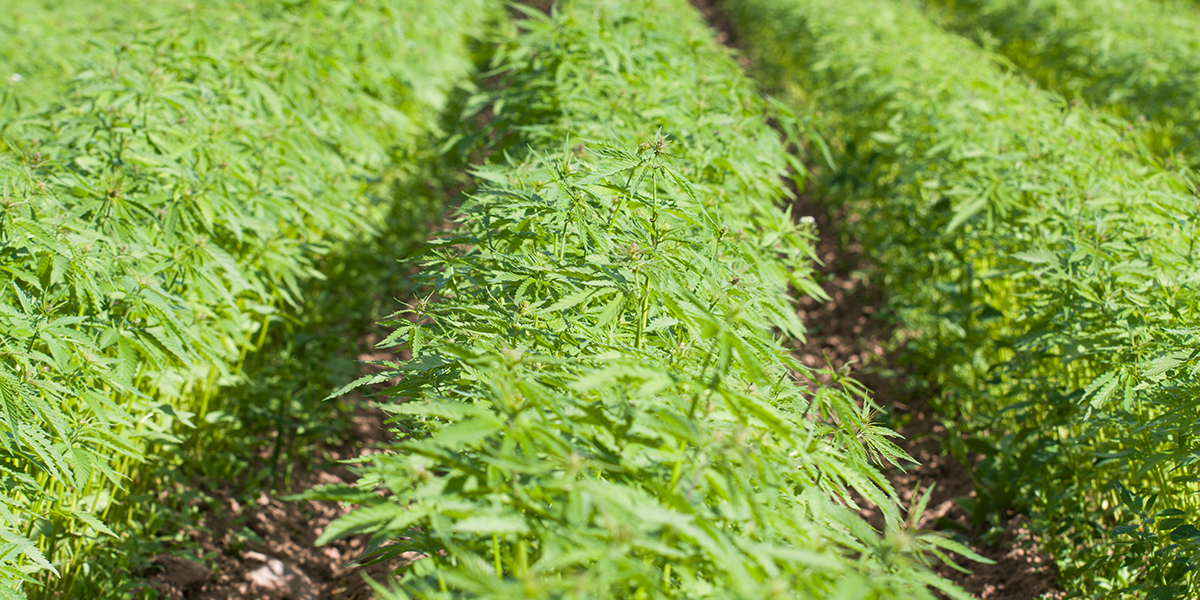 The autumn of 2019 saw the United States' first hemp harvest since effective prohibition of the crop under the strictures of the Marihuana Tax Act in 1937. These strictures were overturned in the Farm Bill signed into law by President Trump in the closing days of 2018. This harvest was looked to eagerly across much of rural America, as legal hemp had been plugged as a salvation for the nation's struggling farmers—and the soaring popularity of CBD appeared to provide a booming market. The fashionable cannabinoid had also been legalized by the 2018 Farm Bill—when derived from hemp, or cannabis with less than 0.3% THC.
 There has been significant progress toward cannabis legalization in the United States and globally over the past years, but pockets persist of the most repressive and reactionary prohibition. What are the prospects for expanding cannabis freedom in the coming year?
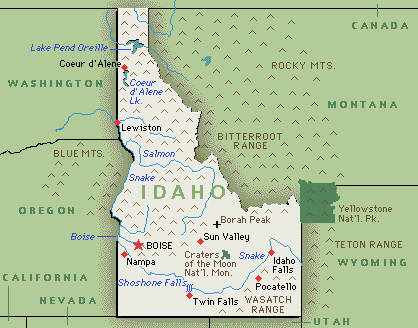 Idaho is considering legislation that would raise the number of signatures needed to get an initiative on the ballot—in an apparent bid to undercut a medical marijuana legalization effort. Local activists with the Idaho Cannabis Coalition are saying the law would be "tyranny."
 With Oklahoma’s passage of a medical marijuana law, advocacy organizations say there is now only one state in the entire union without some sort of legal provision for medicinal use of either herbal cannabis or cannabinoid extracts: Idaho. And with a governor's race this year, there may be hope even there. One by one, even the most culturally conservative states are succumbing to the demands of patients and the findings of science to pass laws to allow use of (at least) extracts containing cannabinoids, or (at most) actual herbaceous marijuana, for either medical or "recreational" purposes.



Recent comments
15 weeks 5 days ago
16 weeks 1 day ago
24 weeks 2 days ago
25 weeks 3 days ago
26 weeks 1 day ago
31 weeks 4 days ago
37 weeks 6 days ago
37 weeks 6 days ago
41 weeks 14 hours ago
41 weeks 6 days ago