
 Boomers are using cannabis more, with many turning to the herb as medicine to deal with the challenges of advancing years. They are also the generation that began the demographic tilt in favor of legalization. And unlike the "Zoomers" of Generation Z, they are resisting the lure of extracts in favor of old-fashioned dried flowers.
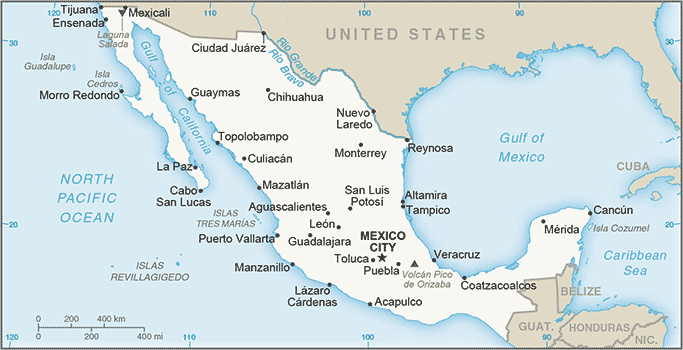 There is a discomforting sense that Mexico is perpetually on the eve of cannabis legalization, as the country's Congress wins a six-month extension from the Supreme Court to pass a law freeing the herb. But foreign capital is already eyeing Mexico's emergent legal cannabis sector—even amid a terrifying escalation in the bloody cartel wars.
 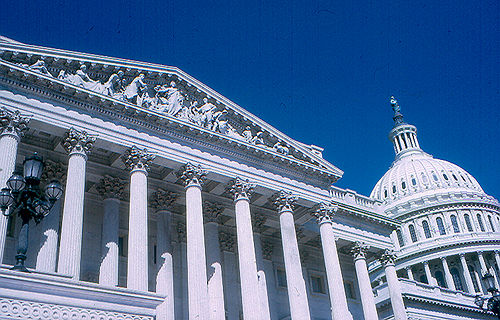 Having cannabis removed from the federal list of controlled substances has long been the holy grail of legalization advocates. Several bills have now been introduced on Capitol Hill to do exactly that. Do any stand a chance of becoming law in the current polarized climate?
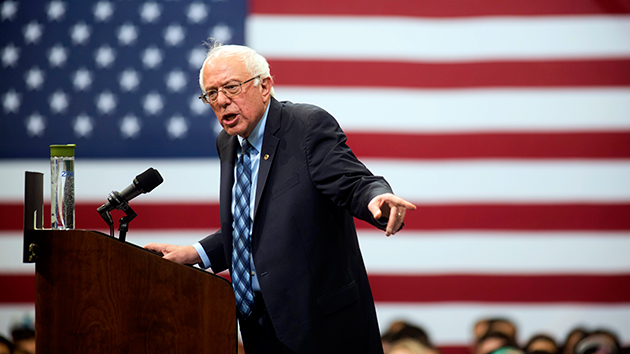 Bernie Sanders has released his plan for cannabis legalization, which features provisions to keep Big Tobacco from colonizing the new industry. But other exponents of corporate power are already getting a jump on the cannabis sector, and could just as effectively squeeze out independent operators.
 As the cannabis industry is embraced by corporate power and finance capital, the patenting of strains, products and applications is an increasing concern. But the international patchwork of legality makes for a confusing environment. Illegality has served as a paradoxical break on privatizing of varieties. Growers and advocates are devising means to protect the genetic commons in the new cannabis order.
 So-called "smokable hemp" is suddenly available in shops from coast to coast, legal under terms of last year's Farm Bill. But law enforcement is consternated, conservative politicians are apoplectic, and legislation is being prepared to ban the stuff at the state level. Is this permissible under federal law?
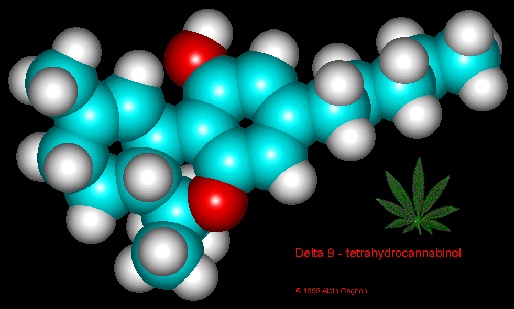 Researchers are exploring the connection between cannabinoids and dopamine in the human brain, and particularly how THC affects our "reward system"—key to such phenomena as motivation, addiction and euphoria. Investigations are revealing both potential for treatments of psychiatric disorders as well as possible risks from heavy use, especially among the young.
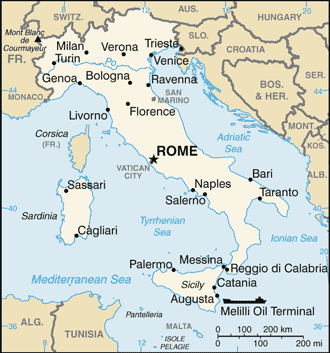 With the fall of Italy’s far-right government, advocates are hoping the path may be cleared now for the country to become Europe's first to formally legalize cannabis. Meanwhile, thanks to a loophole in the law, low-THC varieties are sold openly in shops across the country. And Italy’s internal THC limit is actually slightly higher than the ultra-cautious European Union standard.



Recent comments
14 weeks 5 days ago
15 weeks 1 day ago
23 weeks 2 days ago
24 weeks 3 days ago
25 weeks 2 days ago
30 weeks 4 days ago
36 weeks 6 days ago
37 weeks 15 min ago
40 weeks 17 hours ago
41 weeks 10 min ago