Posted on September 1st, 2020 by Bill Weinberg and tagged
cannabis,
capitalism,
CBD,
Colorado,
features,
hemp,
Oregon,
science,
United States,
Washington.
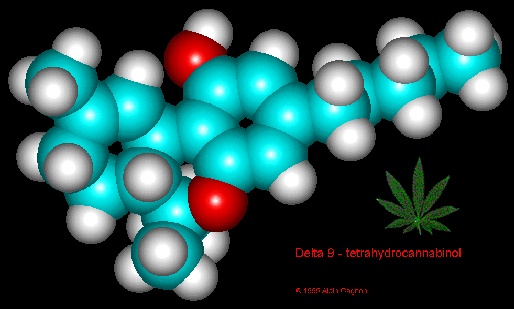 CBD products are now everywhere—health-food emporia, pharmacies, truck-stops. And pursuant to the 2018 Farm Bill, they are now legal—as long as the CBD is derived from “hemp” as opposed to what has traditionally been called “marijuana.” Hemp, as legally defined, is cannabis with under 0.3% THC—the psychoactive component of the plant, responsible for the long-stigmatized “high.”
But even the hempiest hemp—rope, not dope, as they used to say—usually has some THC.

 Questions about road safety have been a real concern as cannabis legalization has unfolded across 11 states, with medical marijuana laws in many more. But with several years of data to analyze, a new study finds no link between these policies and traffic fatalities.
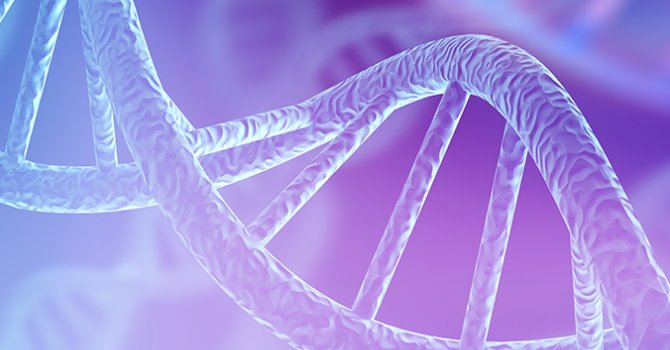 In the near future, the CBD, THC or other cannabinoids you consume in edibles or medications may not be derived from cannabis at all, but grown in a laboratory.
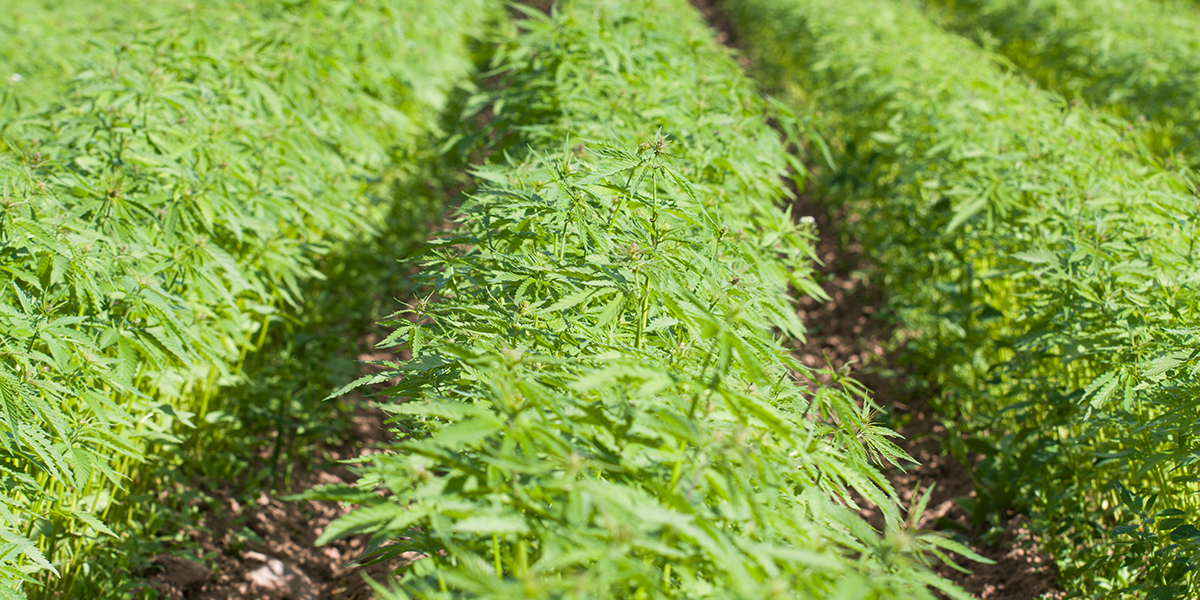 The autumn of 2019 saw the United States' first hemp harvest since effective prohibition of the crop under the strictures of the Marihuana Tax Act in 1937. These strictures were overturned in the Farm Bill signed into law by President Trump in the closing days of 2018. This harvest was looked to eagerly across much of rural America, as legal hemp had been plugged as a salvation for the nation's struggling farmers—and the soaring popularity of CBD appeared to provide a booming market. The fashionable cannabinoid had also been legalized by the 2018 Farm Bill—when derived from hemp, or cannabis with less than 0.3% THC.
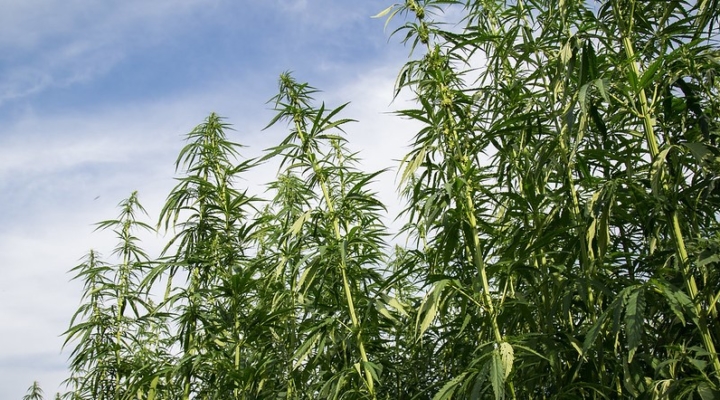 Hemp’s Curious Cultural Trajectory
 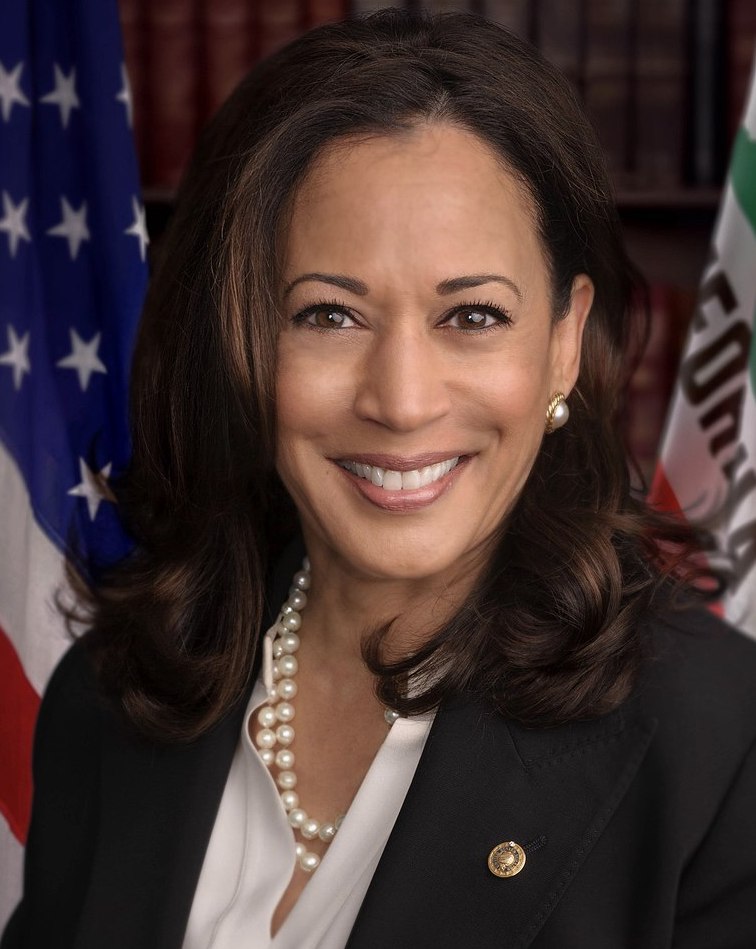 Joe Biden's choice of running mate is Kamala Harris, who will bring a more progressive position on cannabis to the ticket. But if Harris today embraces legalization, she too has capitulated to the drug war establishment in the past—a reality her critics have been quick to exploit. A review of her record reveals an overall evolution toward a more enlightened stance.
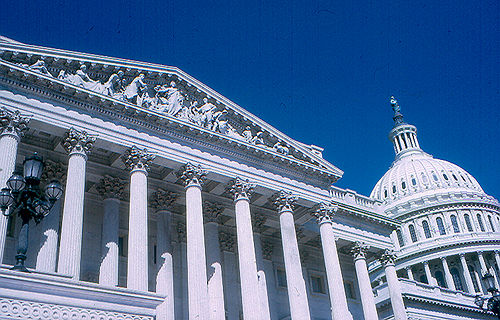 Nancy Pelosi roused the ire of Mitch McConnell and anti-pot lobbyists when she defended inclusion of a measure to protect cannabis businesses in the House pandemic recovery bill. Does the science actually point to a therapeutic role for cannabis in treatment of COVID-19?
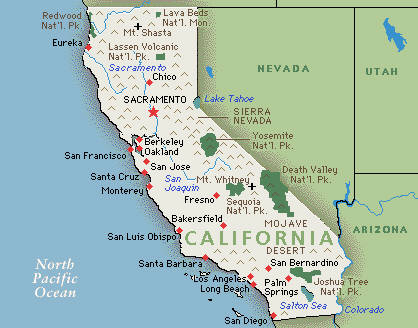 Equity programs for the legal cannabis industry in California are supposed to address the racial and social iniquities that were associated with cannabis prohibition. But finding the right implementation model has proved tricky. And as a recent controversy in Los Angeles indicates, the failure of such programs can have impacts that go beyond who is getting licenses for dispensaries.



Recent comments
14 weeks 5 days ago
15 weeks 1 day ago
23 weeks 2 days ago
24 weeks 3 days ago
25 weeks 2 days ago
30 weeks 4 days ago
36 weeks 6 days ago
37 weeks 1 hour ago
40 weeks 18 hours ago
41 weeks 1 hour ago