
 It's pretty surreal that even as a legal cannabis industry emerges on a global scale, there are still countries that impose outrageously draconian sentences for the herb—up to and including the death penalty.
The egregious case of a man sentenced to death for smuggling two pounds of cannabis into the Southeast Asian city-state of Singapore has focused global attention on the disturbing reality.
 New York's new Gov. Kathy Hochul is hyping the coming cannabis boom in the state — although no adult-use licenses have yet been issued, and the bureaucracy is just starting to move on this. Meanwhile, the cops in Gotham City are turning a blind eye to small outfits that are setting up tables in the parks and on the sidewalks, selling edibles, extracts and bud. How long will this utopian free-for-all last?
 Military veterans continue to be denied much-needed treatment by the VA because of their cannabis use, even in states that have legalized. While there has been some progress on the question, vets are still being cut off—amid a combined national crisis of veteran suicides and opioid abuse.
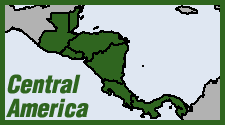 Panama's national legislature approved a medical marijuana law—a first for the nations of the Central American isthmus. Advocates in neighboring Costa Rica are taking heart, and redoubling efforts to make their country the next. But cultural conservatives are pledging resistance in both countries.
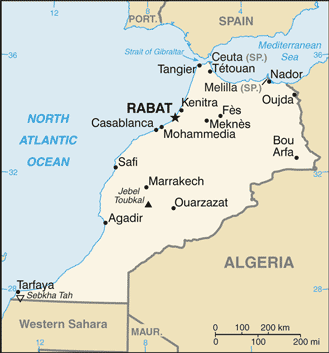 Morocco, long the world's largest illicit producer, is finally getting a legalized commercial cannabis industry, thanks to a law actually introduced by the current otherwise conservative government. The new law is designed to daylight traditional small growers in the marginalized Rif Mountains.
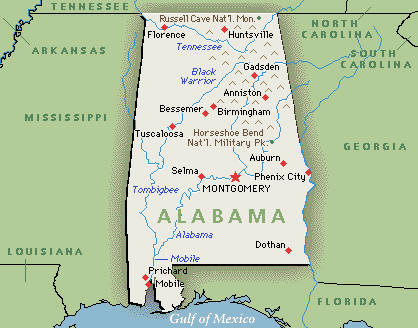 Alabama's Gov. Kay Ivey signed a bill May 17 legalizing the use of medical cannabis products in the state—on strictly limited terms. The new law, coming after decades of Republican opposition, allows use of extracts, tinctures, tablets or gel cubes—but not herbaceous flower, or any other products that can be smoked or vaped. Edibles such as cookies or candies are also barred.
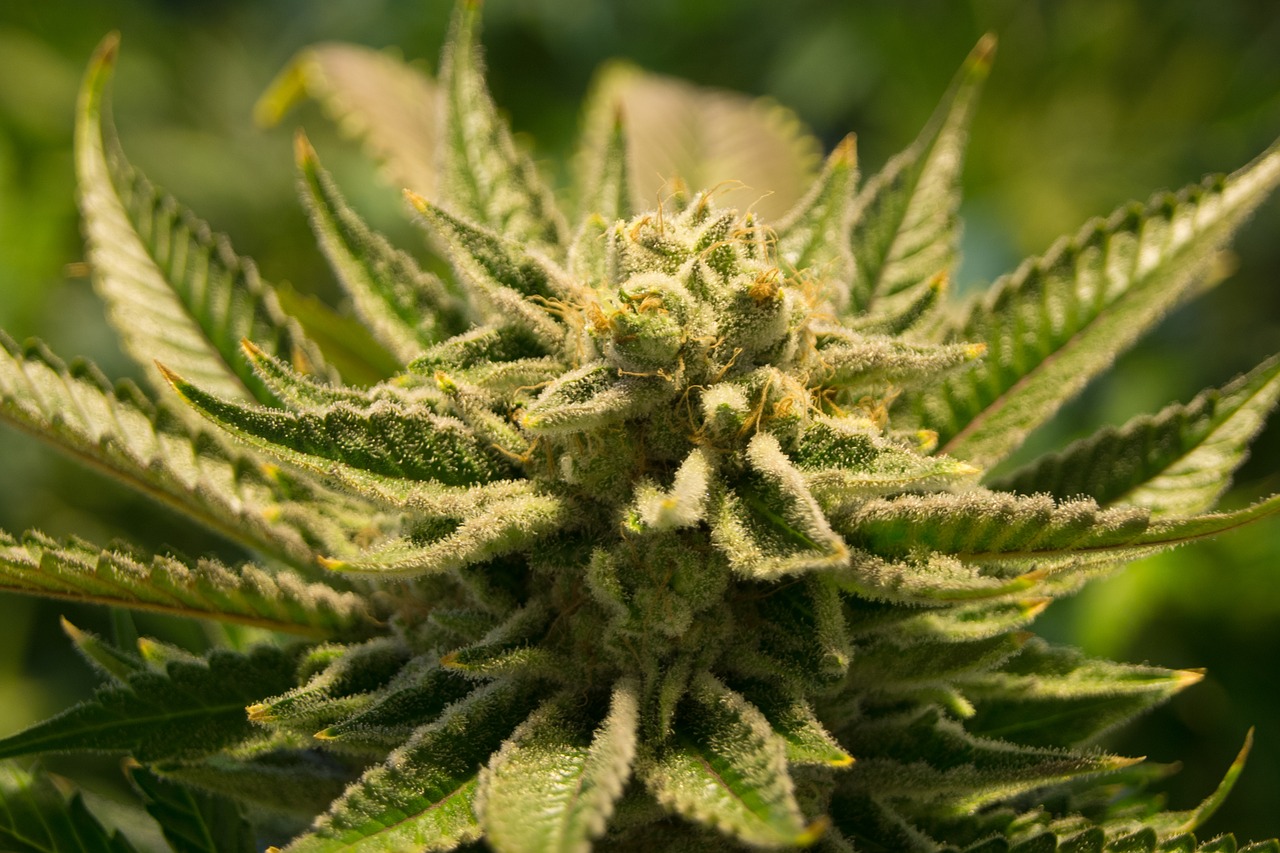 As political and legal space opens for cannabis in state after state, the idea of caps on the potency — whether of flower, extracts or edibles — is gaining currency. But voices in the cannabis industry view this as a phobic response rooted in the flawed assumptions of prohibition.
 Among the ambiguous areas in the state medical marijuana laws from coast to coast is the status of cannabis and its derivatives as veterinary medications. Now, a new non-profit has been launched to advocate for legal standards and clarity on the question.



Recent comments
10 weeks 4 hours ago
10 weeks 3 days ago
18 weeks 4 days ago
19 weeks 5 days ago
20 weeks 3 days ago
25 weeks 5 days ago
32 weeks 1 day ago
32 weeks 1 day ago
35 weeks 2 days ago
36 weeks 1 day ago