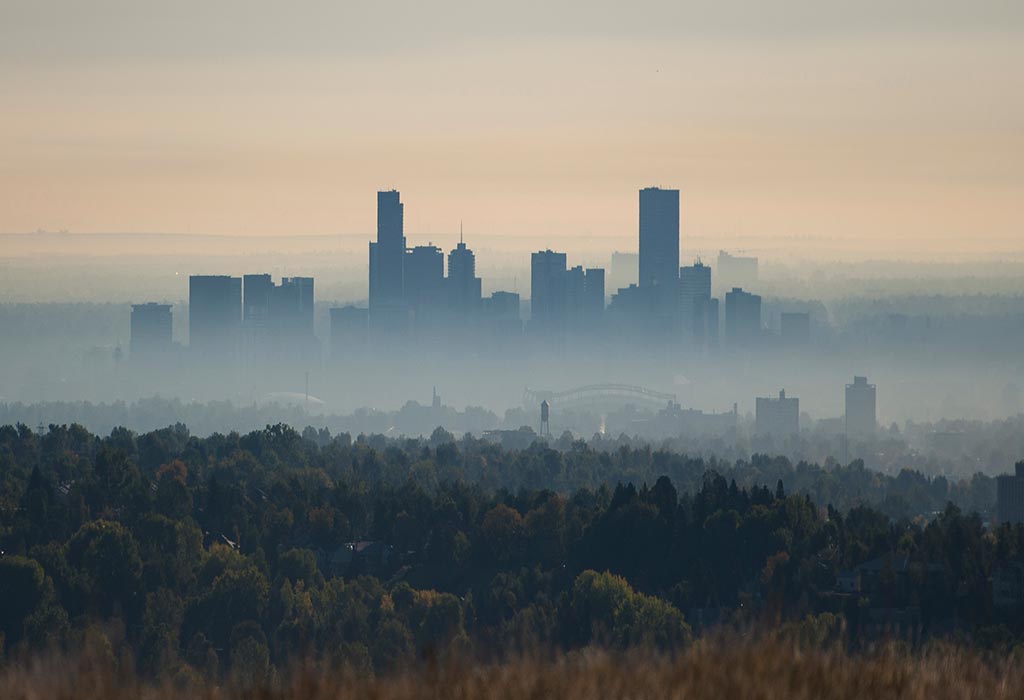
 Terpenes make your herb smell good, but researchers are postulating that those organic particles that titillate your nostrils may also bind with particulate matter from hydrocarbon emissions to worsen smog. A Colorado study is now putting this to the test—but with no help from the EPA, due to cannabis’ outlaw status under federal law.
 California's
 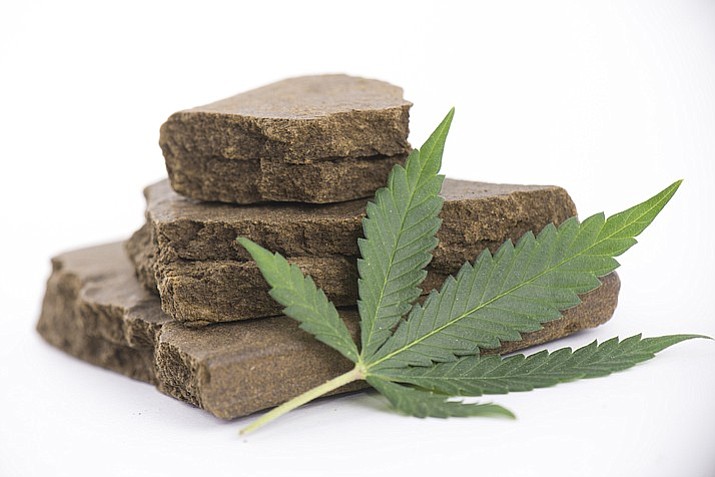 In Arizona, the statehouse and supreme court are in a race to clarify whether hashish is to be included in the Grand Canyon State's medical marijuana program. The question also has implications for the status of extracts and edibles.
 Following a campaign by local advocates, the US Virgin Islands passed a medical marijuana law that allows home cultivation for qualifying patients. Basking in victory, the territory's activists still anticipate protection of sacramental use by Rastafarians—and general legalization.
 A contraband cannabis economy booms in the Balkan Peninsula, where the wars of the 1990s spurred an underground dope-for-guns network that still thrives today. But amid EU pressure to crack down, a legal industry is now starting to emerge.
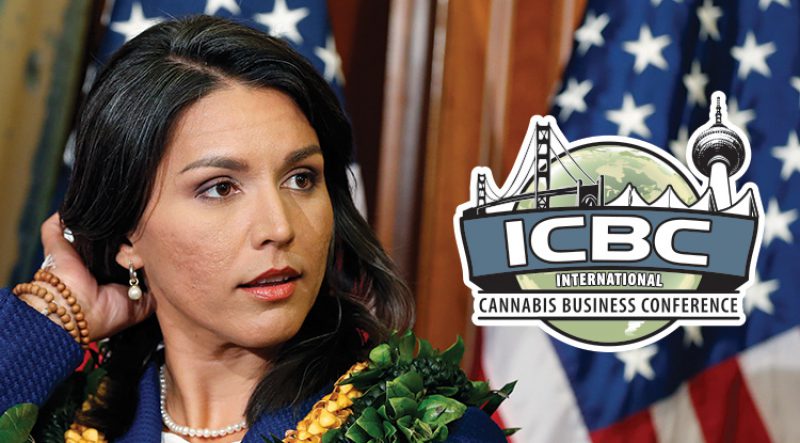 Among the current crowded field of Democratic hopefuls for the 2020 presidential race, at least a handful have progressive positions on cannabis. Among these, the most outspoken on the question has probably been Hawaii's Tulsi Gabbard—who, unfortunately, has deeply problematic stances on some other very critical issues.
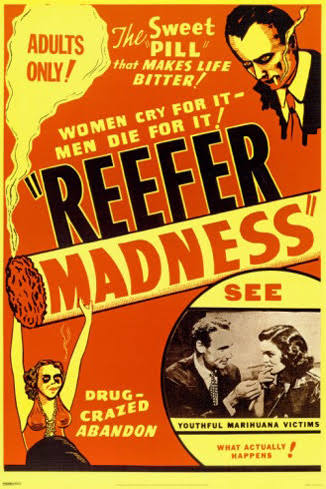 In what is starting to smell like an anti-cannabis media campaign, headlines erupt this week on the possible deleterious effects of cannabis on the developing brains of young teens. Again, the accounts are one-sided—and the political assumptions behind them flawed.



Recent comments
10 weeks 3 days ago
10 weeks 6 days ago
19 weeks 8 hours ago
20 weeks 1 day ago
20 weeks 6 days ago
26 weeks 1 day ago
32 weeks 4 days ago
32 weeks 4 days ago
35 weeks 5 days ago
36 weeks 4 days ago