
 As evidence mounts for the efficacy of cannabis in treating PTSD, medical marijuana is fast being normalized in the veterans' community. But many have been "exiled" from their home states that have no medical marijuana programs—and the federal Department of Veterans Affairs is only beginning to demonstrate any tolerance on the question.
 The push to legalize cannabis in the Empire State got a significant boost on Election Day as Democrats took control of the state Senate—long controlled by Republicans. A re-elected Gov. Cuomo played to a progressive base on the campaign trail, and will no longer be able to blame GOP intransigence for lack of progress. Will New York become the 11th state to legalize in 2019?
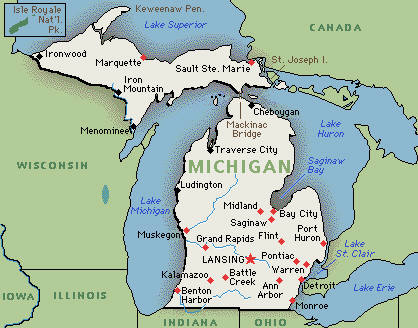 Cannabis is set to become legal in Michigan after voters in the Wolverine State passed Proposal 1 during the midterm elections.
  For the fifth time, a ruling of Mexico's Supreme Court has upheld the individual right to recreational cannabis. Under the Mexican constitution, this is the critical number that makes the decision binding case law throughout the country. Mexico's Congress now has 90 days to bring the penal code into conformity with the ruling—that is, to effectively legalize cannabis for personal use.
 Cannabis has become a global industry, but obviously it is still limited by legal restrictions—and the fact that these increasingly vary from country to country further complicates things. Where is commercial cannabis going and where is it coming from? And how is this likely to change as the international atmosphere further liberalizes?
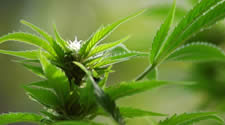 Amid the seemingly endless hype about CBD, its once better-known sibling cannabinoid THC seems to increasingly languish in the shadows—both in terms of media attention and industry investment.



Recent comments
10 weeks 3 days ago
10 weeks 6 days ago
19 weeks 8 hours ago
20 weeks 1 day ago
20 weeks 6 days ago
26 weeks 1 day ago
32 weeks 4 days ago
32 weeks 4 days ago
35 weeks 5 days ago
36 weeks 4 days ago