
 An international network of non-governmental organizations has submitted a "shadow report" to the United Nations, calling the war on drugs a "spectacular failure"—and calling on the world's governments to reconsider it. The report takes heart from the growing official tolerance of cannabis in several countries around the world, but warns of escalating and horrific repression in the name of drug enforcement in several others. Will the UN take heed when it revisits the question of drug policy in 2019?
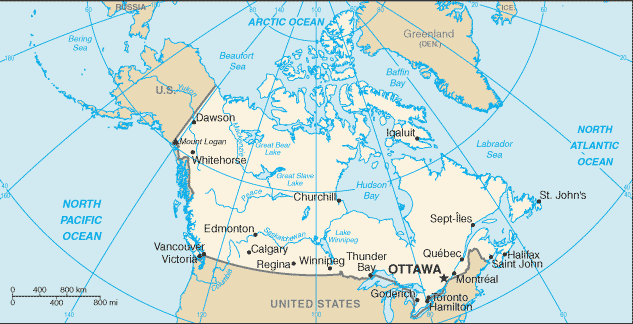 A Vancouver police raid on a "harm reduction center" that was selling cannabis products raises uneasy questions about the availability of cannabis in British Columbia when Canadian legalization officially hits in next month. With only one retail outfit likely to be licensed province-wide and authorities pledging a crackdown on the old dispensaries, the ironic reality may be cannabis will initially be harder to get in BC once it is "legal."
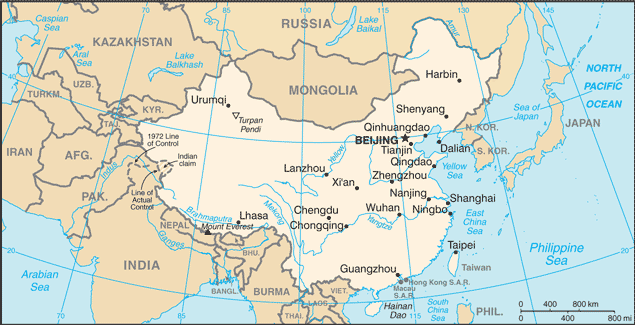 The global cannabis industry is increasingly dependent on factories in China's industrial zones—and fears being impacted by Trump's trade war with Beijing. Chinese pharmaceutical firms meanwhile explore potential applications of cannabis. Yet possession of herbaceous cannabis can land you before a firing squad in China. Human rights groups express alarm about the furious pace of executions in the People's Republic—outstripping the rest of the world combined. And drug offenses—including pot possession—top the country's capital crimes.
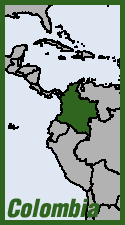 With Colombia's new conservative president threatening to roll back the country's ground-breaking decriminalization policy, a group of young activists in Bogotá held a public cannabis smoke-in to demand their right to the "personal dose." But, in what seems like a foreboding sign, it was quickly broken up by the feared National Police riot squad.
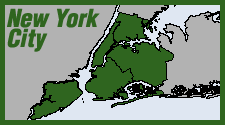 Mayor Bill de Blasio's new policy, discouraging New York City cops from making arrests for public cannabis smoking, is expected to further reduce pot busts in Gotham. But critics say that loopholes or "carve-outs" in the policy mean that the racial disparity in marijuana arrests could continue—or even get worse.
 Tens of thousands of students across the United States have lost access to federal financial aid for their studies because they admit on the application form to having a drug conviction—including, of course, for cannabis. But a new bill introduced in the Senate could finally correct what student advocates have called an injustice that disproportionately denies education to the very communities most in need of financial aid..
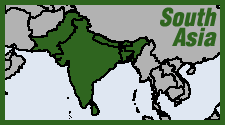 Sri Lanka has announced that it will start hanging drug convicts, ending a long moratorium on executions. Leaders explicitly hope to "replicate the success" of Rodrigo Duterte's bloody anti-drug campaign in the Philippines, which has now reached the point of mass murder. And while the imminent executions are for cocaine and heroin charges, the move comes amid a widening crackdown on cannabis. Yet proposals to allow medical cultivation provide some hope for a more tolerant model.



Recent comments
13 weeks 4 days ago
14 weeks 14 hours ago
22 weeks 1 day ago
23 weeks 2 days ago
24 weeks 19 hours ago
29 weeks 2 days ago
35 weeks 5 days ago
35 weeks 5 days ago
38 weeks 6 days ago
39 weeks 5 days ago