
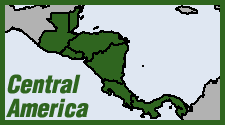
 Cannabis is still illegal in Costa Rica, but a new government study reveals that it has overtaken tobacco as the smoking substance of choice in the traditionally peaceful Central American nation. Simultaneously, Costa Rican activists have launched a new association to press for a medical marijuana program. These developments come as a crusading anti-gay conservative was defeated in the presidential race by a center-left candidate who campaigned on a gay marriage platform. Will cannabis be the next item on Costa Rica's cultural agenda?
 District of Columbia activists actually passed out joints to city lawmakers in their effort to press them on a law to permit cannabis sales in the nation's capital. They've also tried to win this through ballot initiative, building on 2014's Initiative 71 that legalized possession of herb in DC. But councilmembers say their hands are tied by a Congressional stricture on any further lifting of the legal pressure on cannabis.
 After Jeff Sessions issued a memo urging prosecutors to seek the death penalty for those "dealing in extremely large quantities of drugs," even mainstream media outlets began raising the alarm that this could actually be used against large-scale legal cannabis cultivators in places like California. Is this threat is at all realistic?
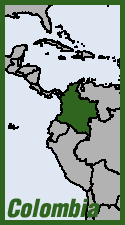 With foreign capital pouring into Colombia's newly legalized cannabis sector, industry leaders foresee the country becoming the world leader in production and exports—a new "Saudi Arabia of cannabis." However, traditional peasant producers fear they will not have access to the legal market—but will continue to face repression and eradication. The newly formed National Coordinator of Coca, Poppy and Marijuana Cultivators is demanding a place for campesino producers in the new legal cannabis economy, and a halt to forced eradication efforts.
 Turned down by the British government when they requested permission to use cannabis oil, the family of a child epilepsy sufferer personally delivered a petition with thousands of signatures to 10 Downing Street. They were backed up by members of parliament and the famous actor Sir Patrick Stewart. Charges of hypocrisy on the part of government were brought into sharp focus by revelations that the Home Office minister—ultimately responsible for the decision to turn down the request—is married to a businessman who oversees massive cultivation under contract to GW Pharmaceuticals.
 A British Columbia firm which is one of Canada's leading licensed producers of medical marijuana has entered a partnership with the national subsidiary of Sandoz, a global leader in the pharmaceutical industry. The deal is being hailed as a milestone that signals the arrival of cannabis in the corporate economy.
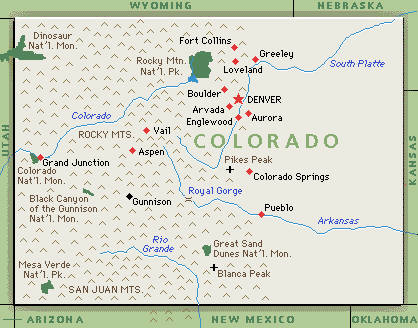 Several bills now pending before the Colorado state house will further shape what the legal cannabis economy will look like in the Centennial State—for better or for worse. While some of these measures would mean a freer atmosphere both for "recreational" and medicinal users, others may portend greater big-money control of the fast-growing industry.
 Amid legal challenges and disputes over zoning in Detroit, Michigan's long-awaited regulatory regime for cannabis dispensaries continues to face obstacles to implementation. This has left hundreds of dispensaries operating in a "gray market"—tolerated by the authorities on an unofficial basis while the mess is being worked out. But now state authorities have started to order these outlets closed—potentially leaving thousands of registered users without access to their medicine.



Recent comments
13 weeks 3 days ago
13 weeks 6 days ago
22 weeks 5 hours ago
23 weeks 1 day ago
23 weeks 6 days ago
29 weeks 1 day ago
35 weeks 4 days ago
35 weeks 4 days ago
38 weeks 5 days ago
39 weeks 4 days ago