
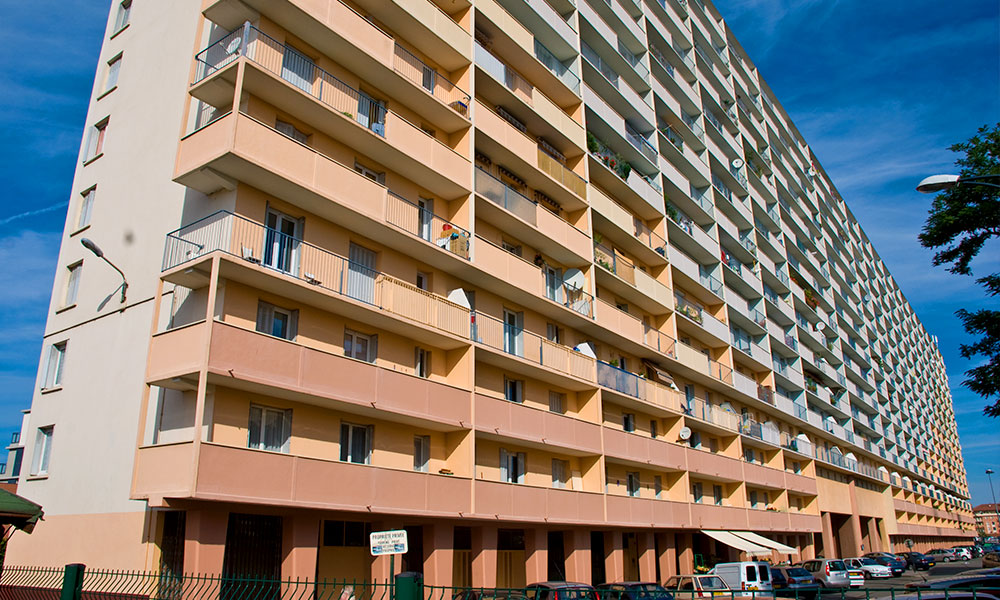
 Under federal regulations, Section 8 housing residents risk losing their homes if they use cannabis. But residents who are also medical marijuana patients have started to stand up and demand their rights. Now, their efforts have seen fruit in legislation on Capitol Hill.
 The doctrine of nullification has a long and harshly contested legacy in the history of the United States—it has been invoked in defense of both just causes and frankly evil ones. But some argue that it is time to revisit the idea—to put an end to federal cannabis prohibition.
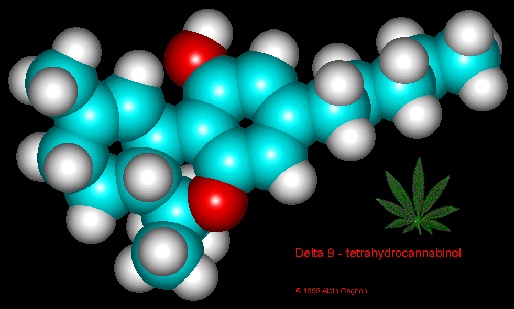 For a generation now, science has known of two cannabinoid receptors—specialized protein molecules that interact with the active compounds in the cannabis plant for the human body. These are CB1 and CB2, both discovered in the early '90s. Now there is growing awareness of a third such receptor that was identified in 2007. This receptor, GPR55, may be key to understanding a wide spectrum of therapeutic applications for cannabinoids—and especially the non-psychoactive cannabidiol, or CBD.
 Canada is about to make history, with passage of its cannabis legalization bill imminent. Prime Minister Justin Trudeau is the man of the hour, shepherding the first Western industrialized country along a course that was nearly unthinkable a generation ago. But it was activist efforts that really brought Canada to this point—and advocates are still fighting to keep a place for small growers and vendors in the new system.
 The government of New Zealand has announced that it plans to hold a referendum on cannabis legalization, possibly as early as next year. A medical marijuana bill is already pending in the country's parliament. But it has taken generations of activist effort by Kiwis to bring Aotearoa (by the country's indigenous Maori name) to this point. Cannabis Now speaks with some of the leaders who made it happen.
 Something of a corporate scramble is underway to secure patents for the various curative properties of CBD, and associated products and procedures. Pharmaceutical firms see a windfall, but some activists raise concerns about the creeping privatization of a cannabinoid that should belong to the genetic and intellectual commons of the human race. How realistic are fears about the imminent arrival of "corporate cannabis"?
 With US stock exchanges still almost entirely closed to cannabis businesses, the stateside industry is increasingly seeking access to the Canadian exchanges in order to secure investment. Taking over publicly traded Canadian firms through reverse mergers has emerged as the critical tactic in this endeavor.
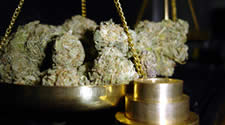 Arizona's top court issued a ruling hailed as a victory both for medicinal cannabis users and for the power of the state's voters to make law through the initiative process. The justices struck down a law banning possession of cannabis on college campuses even by those registered under the state medical marijuana program. In fact, the victory is limited—it doesn't mean students with medical marijuana cards can now light up on campus. But simple possession, at least, now cannot be prosecuted.



Recent comments
13 weeks 3 days ago
13 weeks 6 days ago
22 weeks 4 hours ago
23 weeks 1 day ago
23 weeks 6 days ago
29 weeks 1 day ago
35 weeks 4 days ago
35 weeks 4 days ago
38 weeks 5 days ago
39 weeks 4 days ago