
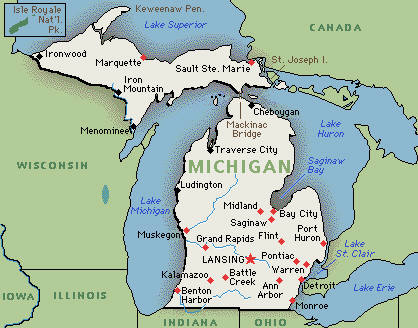
 Legal cannabis sales are officially starting in Michigan on Dec. 1—but with a big emphasis on the "officially." Cannabis shortages and a dearth of licensed dispensaries mean that the Wolverine State's retail recreational program will be off to a less than flying start. Even last-minute abandonment of the planned firewall between the medical and recreational markets may be insufficient to salvage the situation.
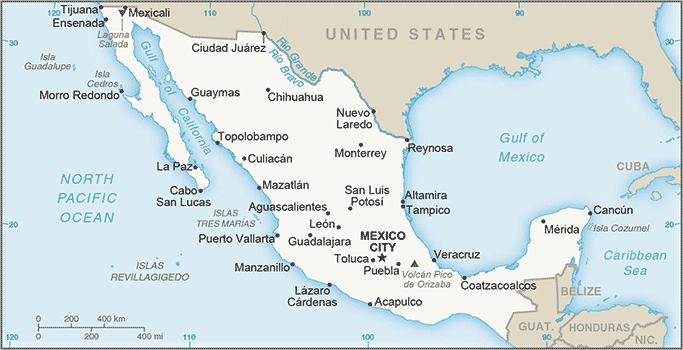 There is a discomforting sense that Mexico is perpetually on the eve of cannabis legalization, as the country's Congress wins a six-month extension from the Supreme Court to pass a law freeing the herb. But foreign capital is already eyeing Mexico's emergent legal cannabis sector—even amid a terrifying escalation in the bloody cartel wars.
 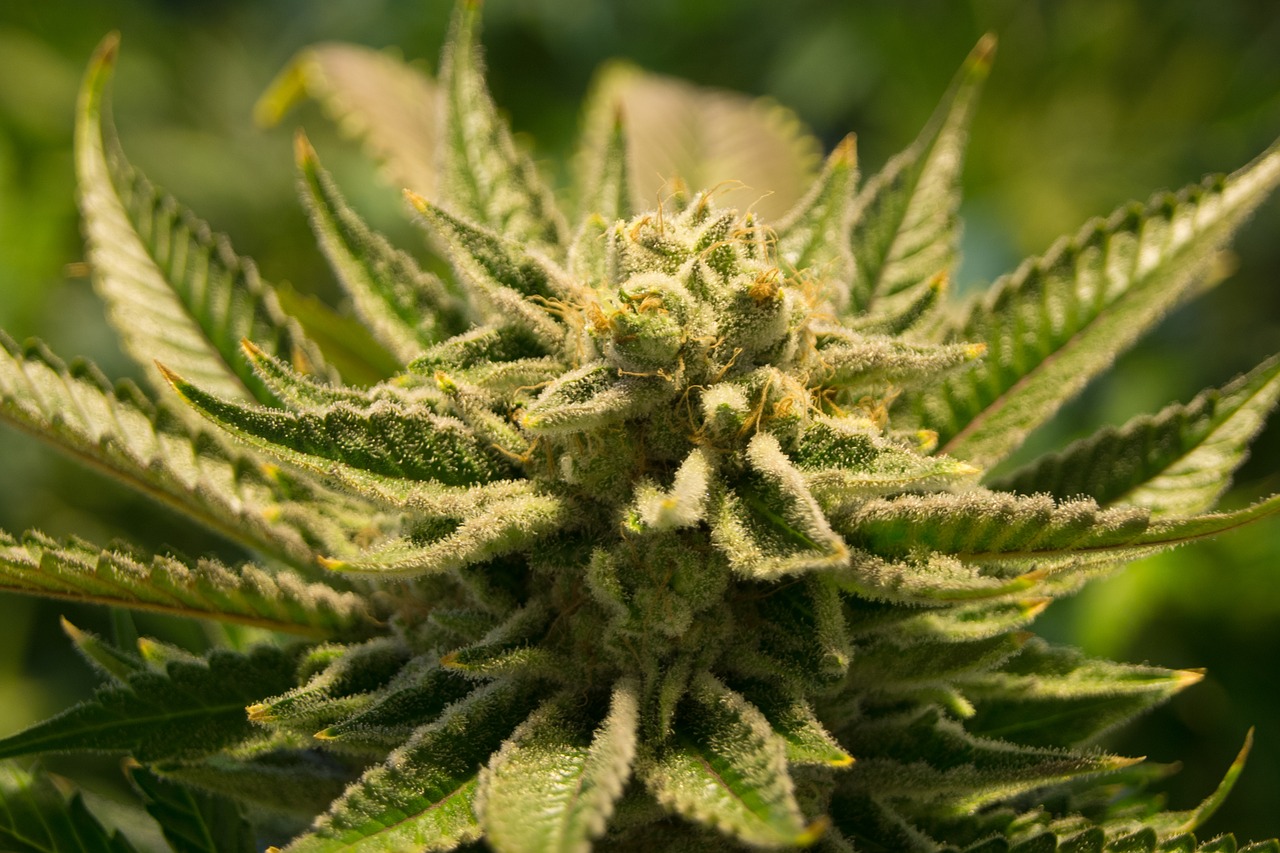 California is moving toward adopting official "appellations" for cannabis, certifying a strain's regional origin. The concept is inspired by the wine industry, where such a certification system has long been in place in several producer countries. Wine appellations, often a mark of prestige, provide a model for what is now to be applied to high-end cannabis.
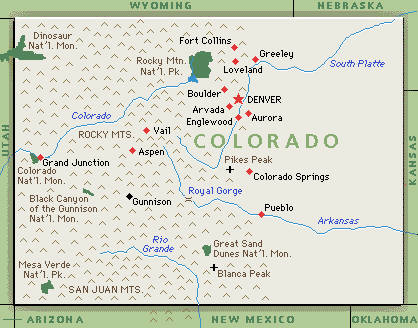 As a new law lifts restrictions on investment in Colorado's cannabis sector, many fear consolidation by big money—a concern uniting some small operators with cultural conservatives. But others see a growth opportunity for small enterprises.
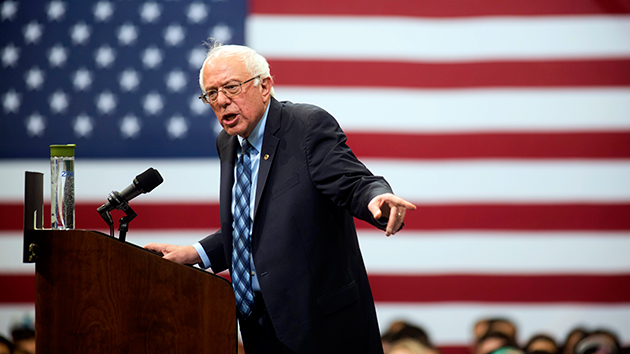 Bernie Sanders has released his plan for cannabis legalization, which features provisions to keep Big Tobacco from colonizing the new industry. But other exponents of corporate power are already getting a jump on the cannabis sector, and could just as effectively squeeze out independent operators.
 As the cannabis industry is embraced by corporate power and finance capital, the patenting of strains, products and applications is an increasing concern. But the international patchwork of legality makes for a confusing environment. Illegality has served as a paradoxical break on privatizing of varieties. Growers and advocates are devising means to protect the genetic commons in the new cannabis order.
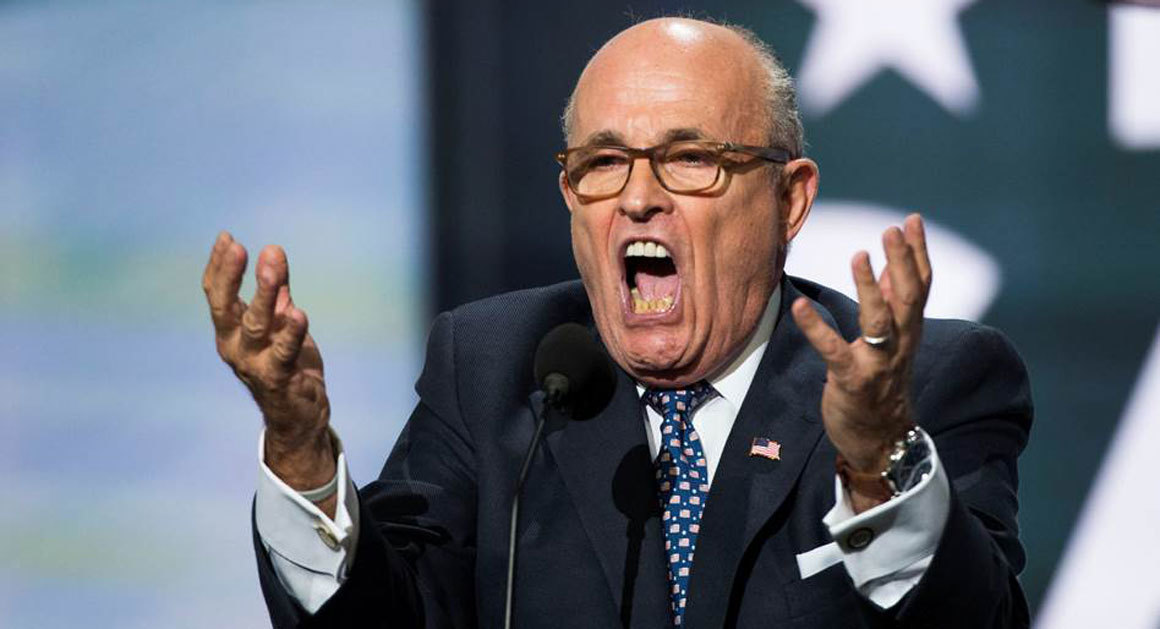 The arrest of a Rudolph Giuliani associate on suspicion of influence-peddling related to the cannabis industry has opened a window into the sleazy underside of the business. Sacramento's mayor has called for an investigation, and the FBI is said to be conducting its own probe. Legalization was supposed to take cannabis out of the hands of criminal networks, but the new model often looks like crony capitalism.
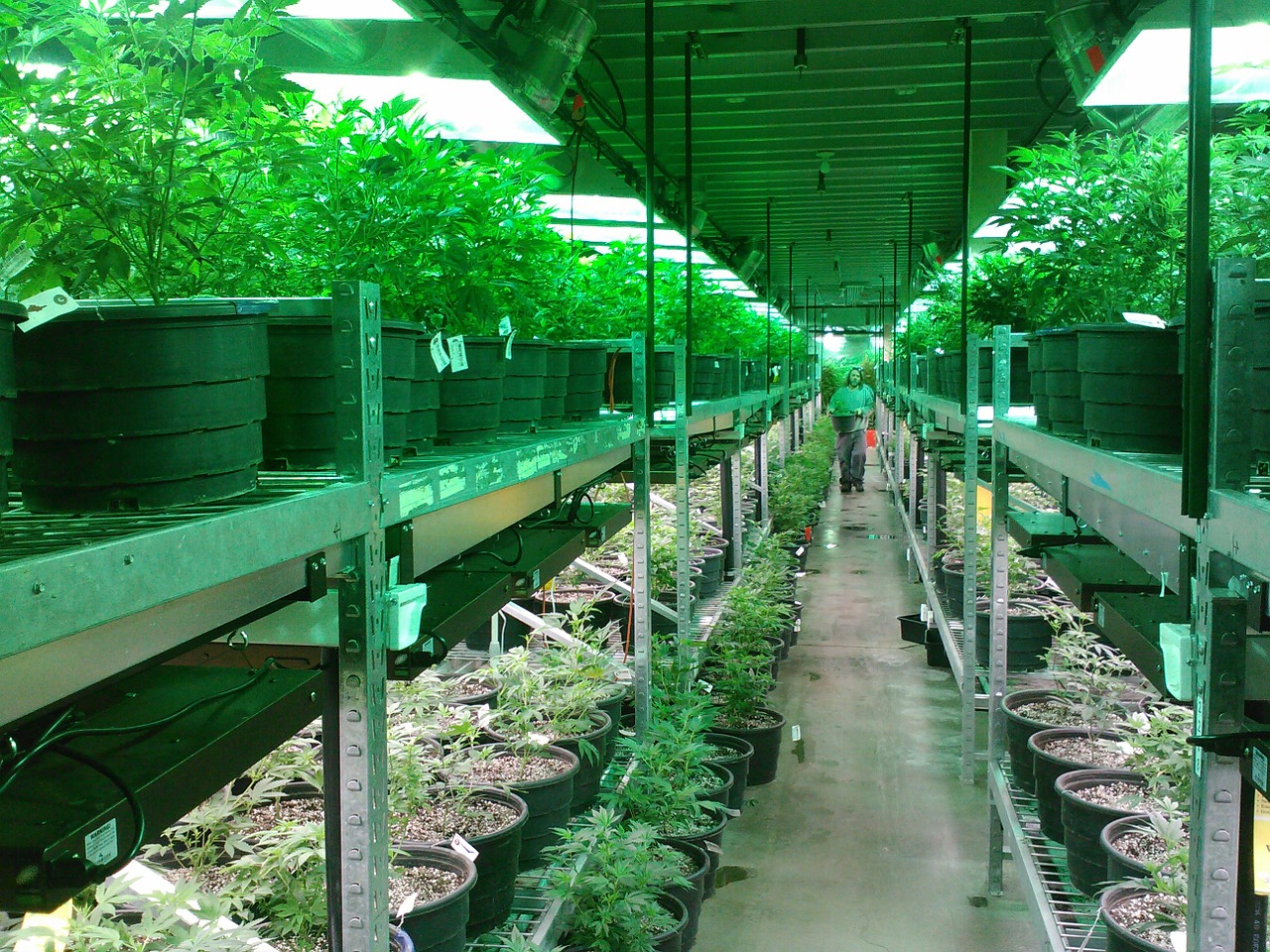 A federal appeals court in Denver has held that protections under the Fair Labor Standards Act apply to "all workers"—including those in the cannabis industry. The ruling sets an important precedent, boosting efforts to unionize the new legal industry.



Recent comments
15 weeks 5 days ago
16 weeks 1 day ago
24 weeks 2 days ago
25 weeks 3 days ago
26 weeks 1 day ago
31 weeks 3 days ago
37 weeks 6 days ago
37 weeks 6 days ago
41 weeks 6 hours ago
41 weeks 6 days ago