
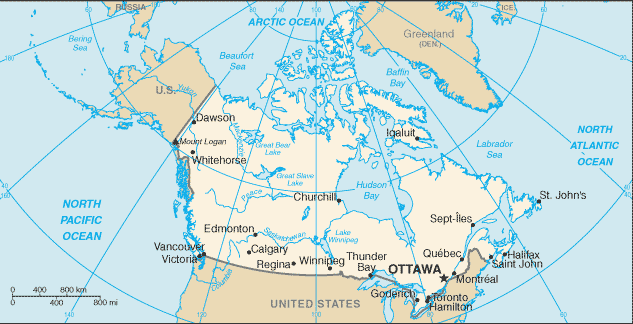
 Canada's largest licensed producer of cannabis, with globe-spanning operations, is shutting down two massive greenhouses in British Columbia, and laying off hundreds of workers. Industry observers call it a sign that infrastructure overshot the market in the post-legalization euphoria.
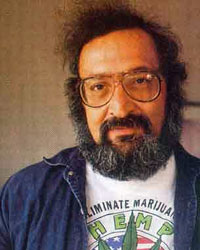 The legendary hemp crusader Jack Herer drew up a California ballot initiative for a cannabis economy based on maximum freedom. He did not live to see its passage. But amid growing disillusionment with the Prop 64 legalization model, his heirs believe that in 2020, his hour has posthumously arrived.
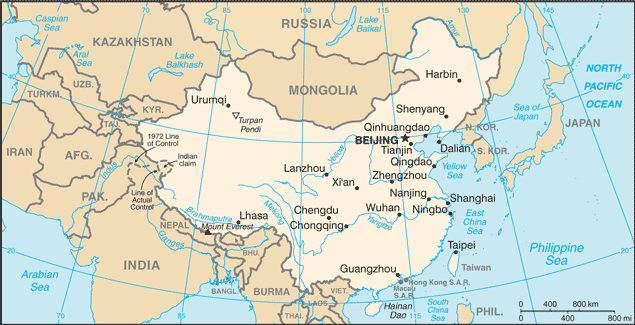 With half a billion people under lockdown, the coronavirus outbreak in China is virtually certain to take a grave impact on the Asian superpower's economy—with ripples across the planet. And the cannabis industry is, like so many global concerns, dependent on labor in China's factory zones. Canna-businesses as far away as Canada's prairies are fearing an imminent pinch.
 A month into legal cannabis in Illinois, Chicago is considering various experimental models for cultivation and retail sales aimed at empowering those communities criminalized under prohibition. Ideas being weighed include a city-owned cultivation coop which residents could join, including the low-income on a "sweat equity" basis.
 Political space for cannabis is generally on the upswing, but there are some intersecting trends that advocates will need to keep a sharp eye on in the coming year. Corporate cannabis will increase pressure on independent producers, while prohibitionists will try to leverage the vape health scare for anti-cannabis propaganda. And the cannabis industry's own terminology may be actually adding to the confusion.
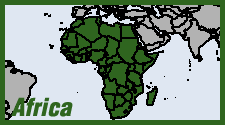 Much media hype anticipates an imminent cannabis boom in Africa, and foreign investment is indeed pouring into a few key countries on the continent. But some dreams have also come to naught—and a few initiatives have displayed some of the worst tendencies of corporate agribusiness in the developing world.
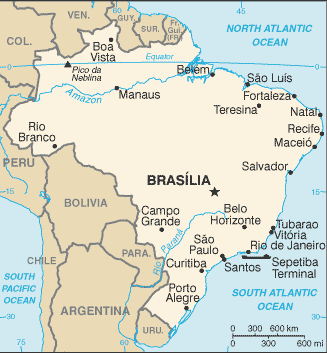 Brazil's limited medical marijuana program takes a step forward with new regulations allowing importation of THC products. Cultivation within the country, however, will be confined to "hemp"—that is, CBD-only strains. And even that is proceeding very slowly. The far-right government of Jair Bolsonaro meanwhile continues its hardline policies in the face of fast-escalating narco-violence.



Recent comments
13 weeks 2 days ago
13 weeks 5 days ago
21 weeks 6 days ago
23 weeks 7 hours ago
23 weeks 5 days ago
29 weeks 14 hours ago
35 weeks 3 days ago
35 weeks 3 days ago
38 weeks 4 days ago
39 weeks 3 days ago