
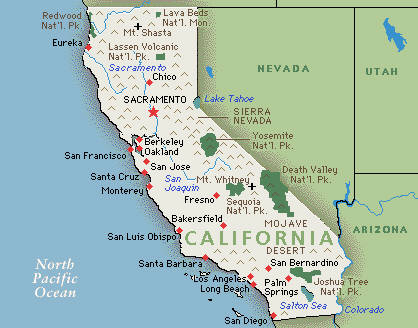
 Five months into legal cannabis in the Golden State, the temporary licenses issued by authorities to get things off the ground are running out. But the full annual licenses are still being held up by several factors—including the failure of local authorities to approve cannabis operations, and implementation of a "track-and-trace" system to monitor marijuana from seed to sale.
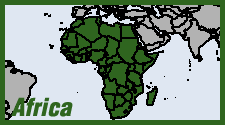 Zimbabwe, seemingly an unlikely candidate, has just become the second African nation to legalize medical marijuana. The only other African country to have done so is the tiny landlocked mountain kingdom of Lesotho—where cannabis has long been tolerated as an economic mainstay. Given that Zimbabwe is traditionally one of Africa's more closed societies, this is a hopeful sign—both that things are loosening up there after the recent fall of its long-ruling strongman, and for an eventual daylighting of the dagga economy throughout the continent.
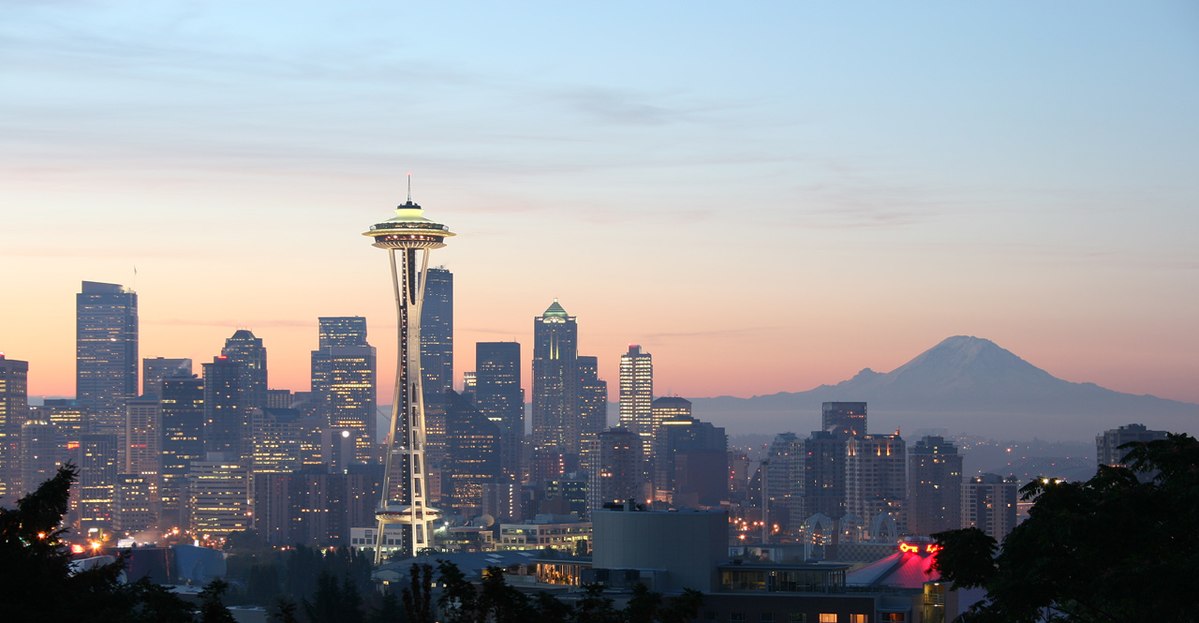 The city of Seattle has filed a motion to vacate hundreds of marijuana convictions going back more than 20 years. As these convictions disproportionately affected people of color, this is being hailed as an important step toward "cannabis equity"—implementing legalization in a way that addresses the social injustices associated with prohibition.
 Attorney General Jeff Sessions, the Trump administration's most notorious anti-cannabis hardliner, surprised advocates when he said in Congressional testimony that he believes there may be "some benefits from medical marijuana." But when pressed on whether his Justice Department would continue the Obama-era policy of not enforcing the federal marijuana laws against medical users in states where it is legal, he failed to give a straight answer.
 New Mexico is the latest state to announce that it will play host to the biggest legal cannabis grow operation in the United States. But other claims to that title over the past years have still not panned out, and a facility in Arizona now occupies the number one slot. And as various states vie for the honor, Canada is far in the lead of its southern neighbor.
 A recent study about the impact of cannabinoids on bone density is raising concerns about possible ill effects on longterm heavy marijuana smokers. Earlier studies, however, showed potential for certain cannabinoids in treating bone fractures. The relationship between cannabis and bone-building function may be more complicated than recent media reports suggest.
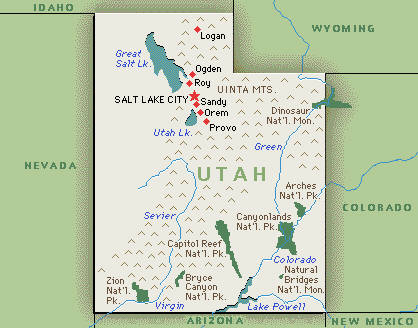 Reports indicate that promoters of a popular initiative for a medical marijuana law in Utah have won enough signatures to get their proposal before the state's voters in November. A far more restrictive law allowing use of CBD preparations is meanwhile before the state house. The ballot initiative would make the legislation basically irrelevant—but faces stiff opposition.
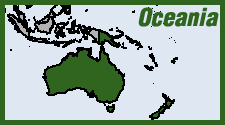 The Green Party in Australia has just come out in favor of cannabis legalization, making a big media splash in the country. The Greens are a significant party in the Land Down Under, and all observers agree this marks a watershed moment. But it will be a challenge for the Greens to win enough allies in Parliament to make it happen.



Recent comments
15 weeks 2 days ago
15 weeks 5 days ago
23 weeks 6 days ago
25 weeks 3 hours ago
25 weeks 5 days ago
31 weeks 10 hours ago
37 weeks 2 days ago
37 weeks 3 days ago
40 weeks 3 days ago
41 weeks 3 days ago