
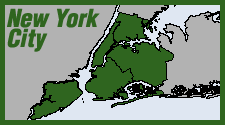
 Emotional exchanges at City Council hearings in New York focused on the NYPD's "gang database," which critics say targets and stigmatizes even those who have long since cut ties to the city's "crews." The city has seen big militarized raids on housing projects as part of the crackdown on crews in recent years. But while heavy charges against suspected crew members made headlines at the time of the raids, little note was paid when some of those charges were downgraded to mere marijuana possession. Are claims of pot-dealing being used to place the city's Black and Latino youth on the database?
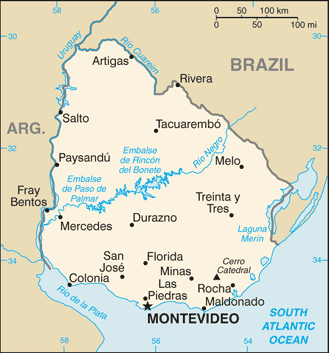 A year after legal cannabis first went on sale in Uruguay, it is still only available at a small handful of pharmacies. One particularly ironic obstacle has emerged: Uruguay's banks face US sanctions under the Patriot Act if they do any business with the country's legal cannabis industry. So a measure passed by the US Congress to crack down on criminal and terrorist networks that use drug profits is actually helping to keep cannabis under the control of criminal networks.
 In the latest testament to fast-growing mainstream embrace of cannabis, Netflix this month debuts a competitive cooking show exclusively featuring dishes prepared with the herb. And not just for flavoring—under the show's rules, all recipes must actually get you high.
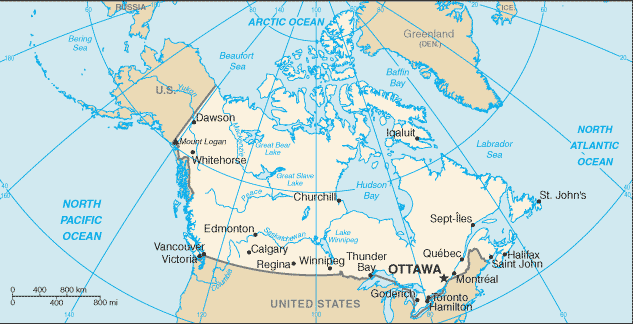 Amid the controversies over how Canada's federal government and provinces will divide regulatory oversight as well as the tax revenues from legal cannabis, a largely overlooked question is the role of the country's First Nations. With passage of the Canadian Cannabis Act now imminent, indigenous groups agree they want more involvement in the process. But First Nations are divided between those hoping for a windfall from legal sales and those actually calling for passage of the Cannabis Act to be put off because native peoples were not properly consulted.
 With Canada on a final one-month countdown to legal cannabis, the country's provinces are adopting widely varying regulation regimes, creating a "crazy quilt" policy patchwork. While Ontario and Quebec are opting for provincial government monopolies on retail sales, Alberta and Saskatchewan have embraced a private model, sparking a flood of canna-capital into these western provinces.
 Something of a corporate scramble is underway to secure patents for the various curative properties of CBD, and associated products and procedures. Pharmaceutical firms see a windfall, but some activists raise concerns about the creeping privatization of a cannabinoid that should belong to the genetic and intellectual commons of the human race. How realistic are fears about the imminent arrival of "corporate cannabis"?
 With US stock exchanges still almost entirely closed to cannabis businesses, the stateside industry is increasingly seeking access to the Canadian exchanges in order to secure investment. Taking over publicly traded Canadian firms through reverse mergers has emerged as the critical tactic in this endeavor.
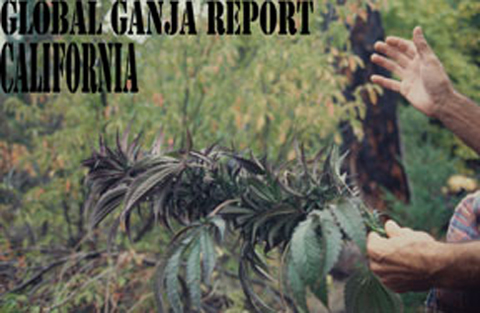 In Humboldt County, famed as the heartland of Northern California's cannabis-producing Emerald Triangle, big police raids of cultivation sites—with thousands of plants eradicated—are continuing despite the Golden State's new legalization program. Many growers are choosing to remain underground, in spite of the risks to their property and freedom. And a big part of the reason why seems to lie in a confusing and contested county regulation regime.



Recent comments
15 weeks 2 days ago
15 weeks 5 days ago
23 weeks 6 days ago
25 weeks 4 hours ago
25 weeks 5 days ago
31 weeks 10 hours ago
37 weeks 2 days ago
37 weeks 3 days ago
40 weeks 4 days ago
41 weeks 3 days ago