
 Deputy Attorney General James Cole, the same who authored a notorious 2011 memo asserting that federal cannabis enforcement remains a "core priority" even in states that have passed medical marijuana laws, has just issued a new memorandum seeming to clarify Justice Department reaction to the legalization measures in Colorado and Washington state. While it is written in the usual dense bureaucratese that often hides as much as it reveals, on balance it appears to represent a retreat from the hardline posture the Obama administration has assumed regarding medicinal cannabis over the past two years. The text of the Aug. 29 memo is provided by our comrades at CelebStoner:
 Over the past generation, an informal alliance of activists, cultivators, entrepreneurs and medical professionals has struggled to redefine how the United States views the cannabis plant. Victories at state and municipal levels have created a new field of medicinal treatment for a wide variety of ailments in California and other mostly western states. Medical marijuana marks the starkest point in the divide between an industrial model of healthcare and a millennia-long tradition of herbal self-treatment—because nowhere else has the federal government been so intransigent.
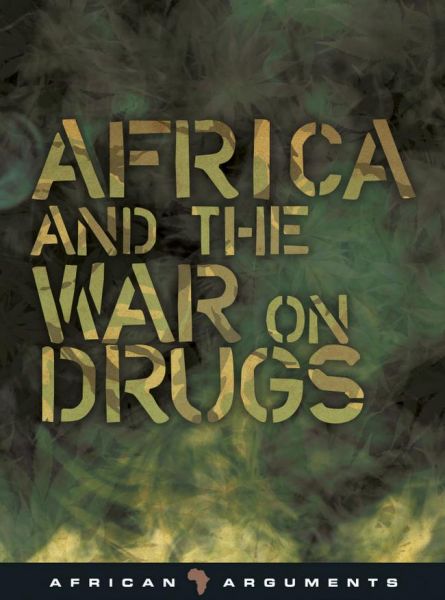 For those who have been wondering what the truth is behind the media sensationalism about global cartels establishing Africa as their new theater of operations, Africa and the War on Drugs by Neil Carrier and Gernot Klantschnig (Zed Books, London, 2012) clears the air in a welcome way.
 Here's a little experiment to determine immediately if you will like the book
  Tomas Young, a disabled Iraq war veteran in Kansas City, Mo., made fame last month when he announced his intention to end his own life in a scathing open letter to George Bush and Dick Cheney. In the letter, online at
 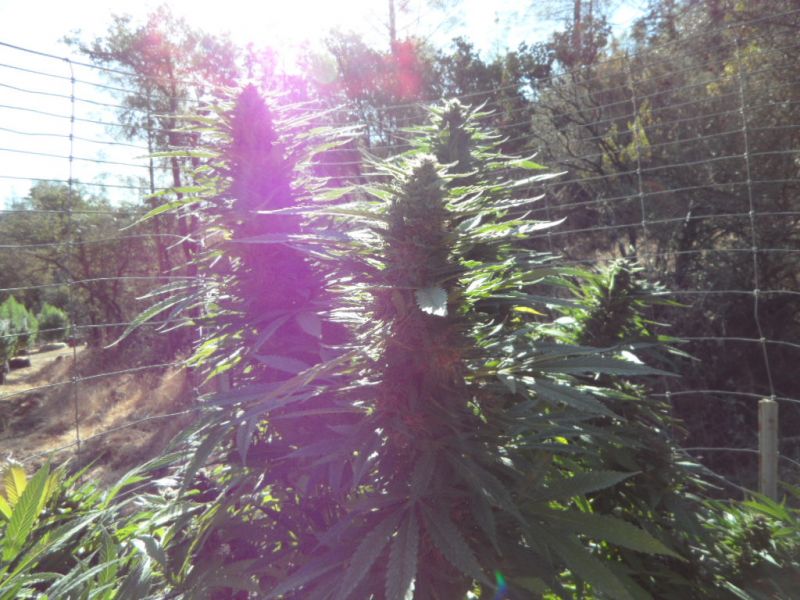 A market glut and paranoia about criminal cartels getting into the act coincide with the end of the CAMP program. Can Northern California's cannabis industry remake itself along ecological and community-rooted lines?
 As nightmarish violence continues in Mexico, with horrific massacres and chaotic urban warfare right on the USA's southern border, a couple of academics at England’s University of Sheffield provide a readable 250-page primer on why this is happening now, and take a stab at what can be done to address the crisis—other than escalating it with militarization.



Recent comments
2 days 1 hour ago
16 weeks 4 days ago
17 weeks 1 hour ago
25 weeks 1 day ago
26 weeks 2 days ago
27 weeks 6 hours ago
32 weeks 2 days ago
38 weeks 4 days ago
38 weeks 5 days ago
41 weeks 5 days ago