
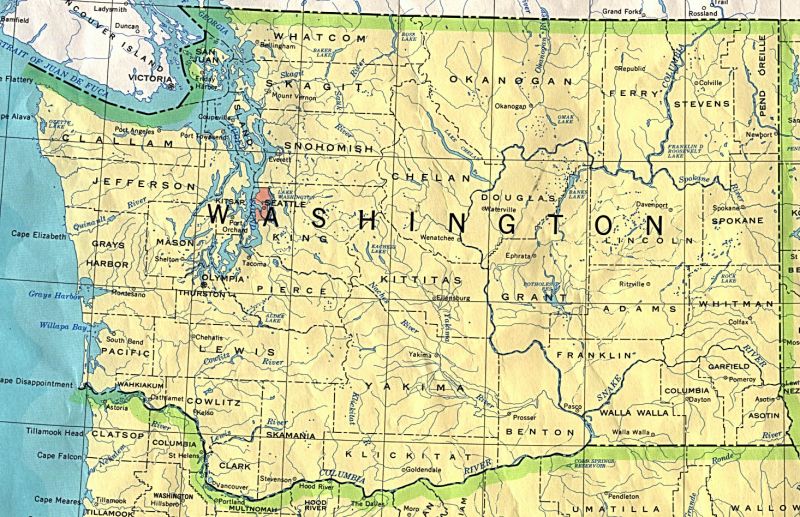
 Cannabis cultivation is emerging as an issue in the American West's interminable conflicts over control of water. On May 20, the US Bureau of Reclamation (BuRec), which supplies irrigation districts across the western states, issued a policy memo saying its water may not be used for marijuana. BuRec staff would document "all activities and communications" regarding "known or potential uses" of its waters for cannabis cultivation—and "will report such use to the Department of Justice." Washington state's Roza Irrigation District, which supplies BuRec water to some 72,000 acres in Yakima and Benton counties, in early April issued a "precautionary message" warning cannabis growers that they could get cut off.
 Members of the group
  OK, here comes the latest media blitz in the backlash against the recent gains for cannabis legalization... The
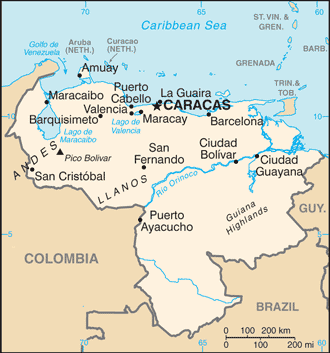 Venezuela’s interior minister Miguel Rodríguez announced April 22 the arrest of nine people on charges of leading, financing and organizing violent anti-government protests in the Caracas municipality of Chacao. On the basis of "previous intelligence operations," Rodríguez said 10 homes were raided before dawn, netting the nine suspects who, "according to people detained several days before, were handing out money" to demonstrators. He said police have warrants for 15 more who are supposedly directing "these violent groups engaged in terrorist activities." He added that those previously detained confessed that in addition to cash payments, they agreed to take to the streets in exchange for "genetically modified marijuana." Said Rodríguez: "They give them that drug to get them high and keep them in permanent activity against security forces." (
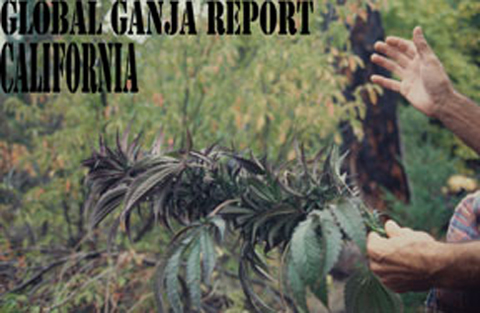 The latest boost to anti-cannabis propaganda comes in the form of California's crippling drought. The dought is no joke. For the first time in its 54-year history, the
 All eyes are on the Crimean Peninsula, which has just been annexed by Russia after a popular vote to secede from Ukraine. Potential flashpoints for escalation, with very ominous implications for world peace, include the fate of the



Recent comments
14 weeks 2 days ago
14 weeks 5 days ago
22 weeks 6 days ago
24 weeks 20 hours ago
24 weeks 5 days ago
30 weeks 1 day ago
36 weeks 3 days ago
36 weeks 3 days ago
39 weeks 4 days ago
40 weeks 3 days ago