
 A figure from the Bay Area cannabis industry was embroiled in America's fast-escalating culture wars when she threatened to call the police on a young Black girl selling water on a San Francisco street. In the outcry, she has stepped down from her own company—and helped draw a line over what behavior is considered acceptable in the cannabis community.
 Emotional exchanges at City Council hearings in New York focused on the NYPD's "gang database," which critics say targets and stigmatizes even those who have long since cut ties to the city's "crews." The city has seen big militarized raids on housing projects as part of the crackdown on crews in recent years. But while heavy charges against suspected crew members made headlines at the time of the raids, little note was paid when some of those charges were downgraded to mere marijuana possession. Are claims of pot-dealing being used to place the city's Black and Latino youth on the database?
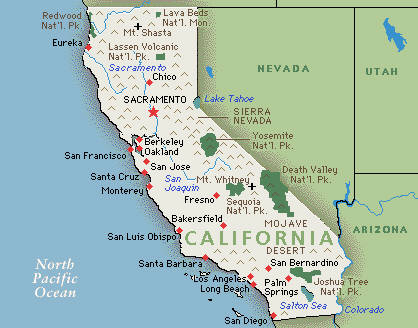 The seizure by federal agents of some 100 homes around Northern California supposedly used in grow operations financed by criminal networks based in China points to ongoing dilemmas in the state's contraband cannabis economy—which persists even in the wake of legalization.
 The horrific case of an elderly Jewish woman in Paris killed in a clear anti-Semitic attack is being painted as an incidence of "cannabis delirium." Despite all the progress since the days of Reefer Madness in the 1930s, cannabis is still blamed for violent crime by law enforcement and media alike. Such irrational ugliness has also been repeatedly seen in the cases that have inspired Black Lives Matter on our side of the Atlantic.
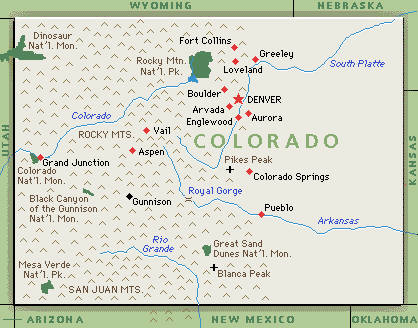 Several bills now pending before the Colorado state house will further shape what the legal cannabis economy will look like in the Centennial State—for better or for worse. While some of these measures would mean a freer atmosphere both for "recreational" and medicinal users, others may portend greater big-money control of the fast-growing industry.
 Seniors are the fastest growing group of medicinal cannabis users in the country, and a growing number of nursing homes from coast to coast are tolerating use of tinctures and extracts to combat dementia, insomnia and related ailments. Patient testimony is now backed up by research, with scientists identifying the mechanism by which cannabinoids slow the deterioration of neurons in the brain. But federal strictures continue to pose an obstacle to investigation—leaving medicinal users in the cold under US law.
 Oakland-based cannabis industry research firm
  In a sure sign of changing times, the first cannabis-industry business has been listed on the



Recent comments
15 weeks 4 days ago
16 weeks 7 hours ago
24 weeks 1 day ago
25 weeks 2 days ago
26 weeks 11 hours ago
31 weeks 2 days ago
37 weeks 5 days ago
37 weeks 5 days ago
40 weeks 6 days ago
41 weeks 5 days ago