
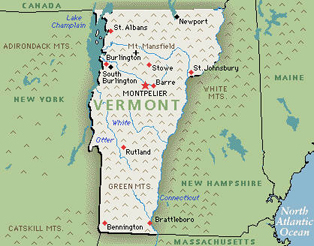
 Vermont's Gov. Peter Shumlin (D) on June 6 signed into law a bill passed by the state legislature that decriminalizes the possession of up to one ounce of cannabis or five grams of hashish. Shumlin's signature make Vermont the 17th state to remove criminal penalties for possessing small quantities of cannabis—including all of its neighboring New England states except New Hampshire. "This change just makes common sense," Shumlin said as he signed the bill. "Our limited resources should be focused on reducing abuse and addiction of opiates like heroin and meth rather than cracking down on people for having very small amounts of marijuana." (Drug War Chronicle, June 6)
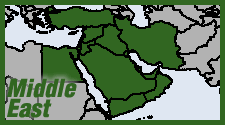 Lebanon's hashish heartland of the Bekaa Valley, hit by rocket-fire from Syria on June 1, has become increasingly embroiled in the civil war raging across the border. The fertile valley, which was occupied by Syria from 1976 to 2005, is a patchwork of Sunni and Shi'ite areas, and during Lebanon's civil war in 1980s the hashish and opium trade there funded sectarian militias. There are now ominous signs of a return to this deadly rivalry. In late March, gunmen from the Sunni town of Arsal—a conduit for arms and fighters for the Syrian rebels—kidnapped a member of the powerful Shi'ite Jaafar tribe, who was absconded across the border to the rebel-held Syrian town of Yabroud, north of Damascus. The Jaafars retaliated by kidnapping six Arsal residents—ransoming them to raise the ransom money to free their comrade held in Yabroud. Lebanese security forces helped oversee the hostage exchange, and no charges were brought. Arsal has also been the target of occasional cross-border shelling, presumably by the Syrian military. On May 27, unidentified gunmen attacked a Lebanese border checkpoint near the town, killing three soldiers.
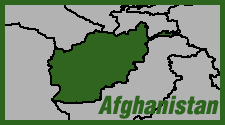 The US-funded Counter-Narcotics Justice Center (CNJC) in Kabul handles all of Afghanistan's large-scale drug cases—anyone arrested with more than two kilograms of heroin, 10 kilograms of opium, or 50 kilograms of hashish. It has sent hundreds to the city's notoriously harsh Pul-e Charkhi prison, and records show that nearly 98% of defendants are convicted. The conviction rate for drug offenses in the US judicial system is also very high, at 93% for federal cases in 2006—but that is largely due to plea bargains, and the ability of prosecutors to drop cases and judges to grant reduced sentences. In the CNJC there is virtually no leeway for prosecutors to drop cases that are too small or poorly evidenced. Defense attorneys say the high conviction rate means that just about every suspect who arrives at the court ends up in prison for a long time. (Joshua Hersh for
  Five bills have been introduced this year in Sacramento concerning cannabis and medical marijuana, winning varying degrees of support from activists and the cannabis industry. Most likely to pass is San Francisco Assemblyman
  Jewish settlers from the Tapuch Junction area of the West Bank are suspected of purchasing hashish and cannabis from their Palestinian neighbors in the nearby village of Hawara. Israeli police investigating drug-smuggling across the "Green Line" that divides the West Bank from Israel detained several Palestinian youth at the village last week—and found that a confiscated client list included settlers from neighboring militant Jewish communities, including Yitzhar, Itamar and Har Bracha. Four Jewish clients were subsequently detained.
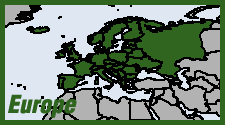 Long the main gateway to Europe for Moroccan hashish, Spain has over the past year emerged as one of the continent's main cannabis cultivation hubs, rivaling the Netherlands. Principal cultivation zones are Andalusia, Murcia, Catalonia, Aragon and especially Valencia—which the Guardia Civil describes as "a jungle of cannabis."


Recent comments
10 weeks 3 days ago
10 weeks 6 days ago
19 weeks 3 hours ago
20 weeks 1 day ago
20 weeks 6 days ago
26 weeks 1 day ago
32 weeks 4 days ago
32 weeks 4 days ago
35 weeks 5 days ago
36 weeks 4 days ago