
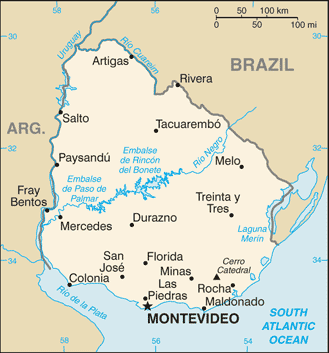
 Authorities in Uruguay on May 2 released details on how cannabis will be produced and legally sold in the country, following President José Mujica's bold legalization initiative that passed in December. With the announced regulations, Uruguay becomes the first country in the world to have a system to oversee legal cannabis production, sale and consumption. Licensed pharmacies will sell the herb for less than $1 (up to 22 pesos, or $0.95) a gram, with consumers allowed up to 40 grams (1.4 oz.) a month, or 10 grams per week. Private households may grow up to six cannabis plants. While the new regs are to officially take effect this week, it will be several months before the full system is in place. Diego Canepa, chief of Uruguay's National Drug Junta (JND), said: "Towards the end of November, early December, the sale of marijuana will already be available in the country through pharmacies." He added that the government will launch the licensing process for companies seeking to cultivate cannabis within the next 15 days. The government estimates Uruguay's current cannabis demand at between 18 and 22 tons per year, which would mean approximately 10 hectares of plantations. An Institute for the Regulation and Control of Cannabis (IRCCA) has been established to maintain standards for quality. Use of the herb will be allowed in most public spaces where tobacco smoking is permitted, althought not at workplaces. Motorists caught "smoke-driving" will be subject to the same penalties as those under the influence of alcohol. To discourage "marijuana tourism," only Uruguayan citizens and residents will be allowed to purchase cannabis. (Al Jazeera, AFP, La Nacion, Argentina, RTVE.es, May 3; BBC News, TeleSur, May 2)
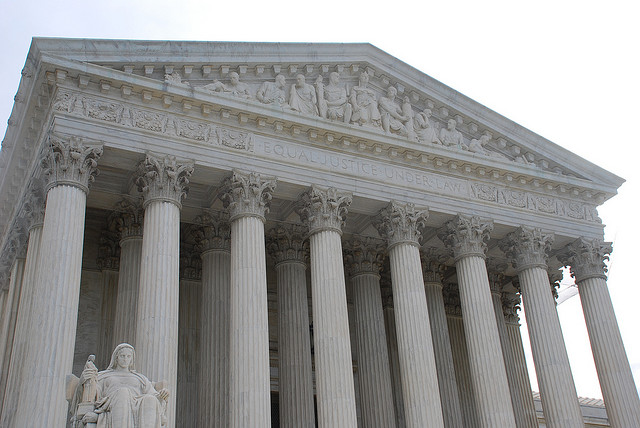 The US Supreme Court ruled 5-4 on April 22 in Navarette v. California that a traffic stop that led to a marijuana arrest was constitutional because police had reasonable suspicion the driver was intoxicated. In 2008, California Highway Patrol officers stopped Lorenzo Prado Navarette's pickup truck on a Mendocino County road based on a 911 tip about reckless driving. The officers said they smelled marijuana when approaching the vehicle. They conducted a search and found 30 pounds of cannabis. Navarette and a passenger were arrested and charged. At trial, they moved to suppress the evidence on grounds that the search violated their Fourth Amendment rights because the officers lacked reasonable suspicion when they pulled Navarette over. But in the opinion authored by conservative Justice Clarence Thomas, the majority found that while an anonymous tip will not always lead to reasonable suspicion, in this case it did. The court found that "under appropriate circumstances, an anonymous tip can demonstrate sufficient indicia of reliability to provide reasonable suspicion to make an investigatory stop." Conservative Justice Antonin Scalia wrote a dissent that was joined by the court's liberals, Ruth Bader Ginsburg, Sonia Sotomayor and Elena Kagan. Conservatives John Roberts and Samuel Alito lined up with the majority, as did swing voters Stephen Breyer and Anthony Kennedy. (
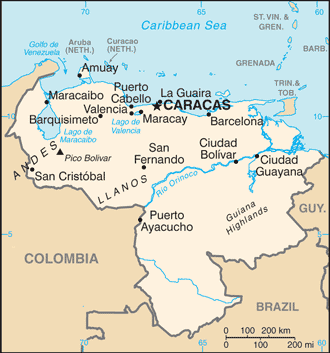 Venezuela’s interior minister Miguel Rodríguez announced April 22 the arrest of nine people on charges of leading, financing and organizing violent anti-government protests in the Caracas municipality of Chacao. On the basis of "previous intelligence operations," Rodríguez said 10 homes were raided before dawn, netting the nine suspects who, "according to people detained several days before, were handing out money" to demonstrators. He said police have warrants for 15 more who are supposedly directing "these violent groups engaged in terrorist activities." He added that those previously detained confessed that in addition to cash payments, they agreed to take to the streets in exchange for "genetically modified marijuana." Said Rodríguez: "They give them that drug to get them high and keep them in permanent activity against security forces." (
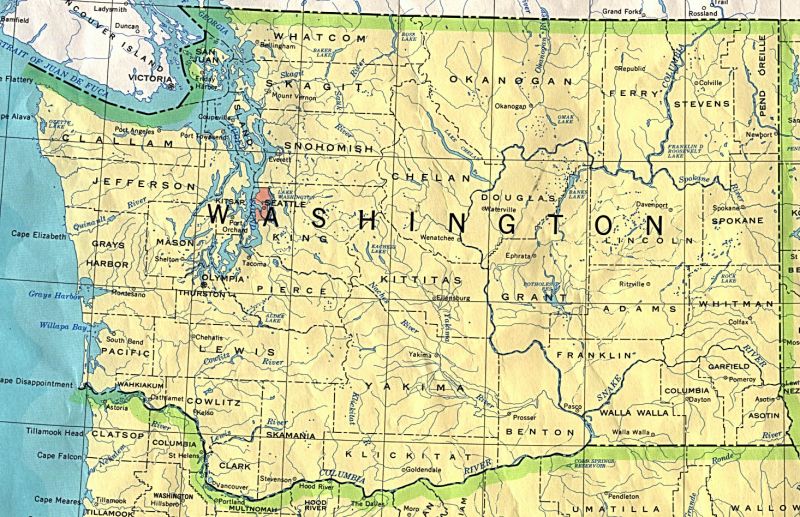 Family members from a rural area of eastern Washington state are to go to trial next month on federal marijuana charges, despite the Obama administration's repeated claims that it does not target seriously ill patients. The federal trial of the "Kettle Falls 5" is scheduled for May 12, pending several pretrial motions which will be heard on April 22 before US District Judge Fred Van Sickle in Spokane, Wash. Because of marijuana's illegal status under federal law, patients like the "Kettle Falls 5" are typically prohibited from raising a medical necessity or state law defense in federal court..
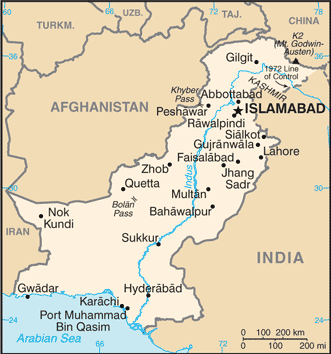 Nearly 108 tribesmen from Pakistan's remote northwestern borderlands were abducted by presumed Taliban militants April 12 from a mela (festival) where local hashish merchants were displaying and sampling their wares. Most were liberated the following day, but 15 men belonging to the Qamber Khel tribe are still being held. The mela was taking place at Haider Kandao, a village that straddles the tribal agencies of Khyber, Orakzai and Central Kurram in Pakistan's Federally Administered Tribal Areas, near the border with Afghanistan. Opium and cattle were also being exchanged at the meeting when it was stormed by gunmen from the
 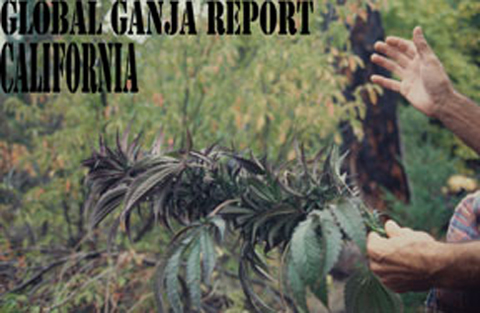 The latest boost to anti-cannabis propaganda comes in the form of California's crippling drought. The dought is no joke. For the first time in its 54-year history, the
 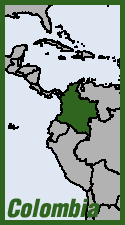 An official from the capital district government of Bogotá on March 28 called upon Colombia’s national government to open debate on broadening the policy of cannabis decriminalization. "We really need leadership from the Congress and the government to regulate the medicinal and recreational use of marijuana," said the general secretary of the Bogotá mayor's office, Susana Muhamad. Despite efforts by the previous government of President
 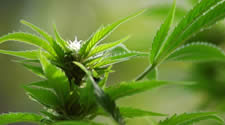 Arizona's Maricopa County Superior Court ruled March 21 in favor of five-year-old Zander Welton, finding that his parents and physicians may resume treating his seizure disorder with a cannabis extract. Judge Katherine Cooper said that the Arizona Medical Marijuana Act (



Recent comments
16 weeks 1 day ago
16 weeks 4 days ago
24 weeks 5 days ago
25 weeks 6 days ago
26 weeks 4 days ago
31 weeks 6 days ago
38 weeks 2 days ago
38 weeks 2 days ago
41 weeks 3 days ago
42 weeks 2 days ago