
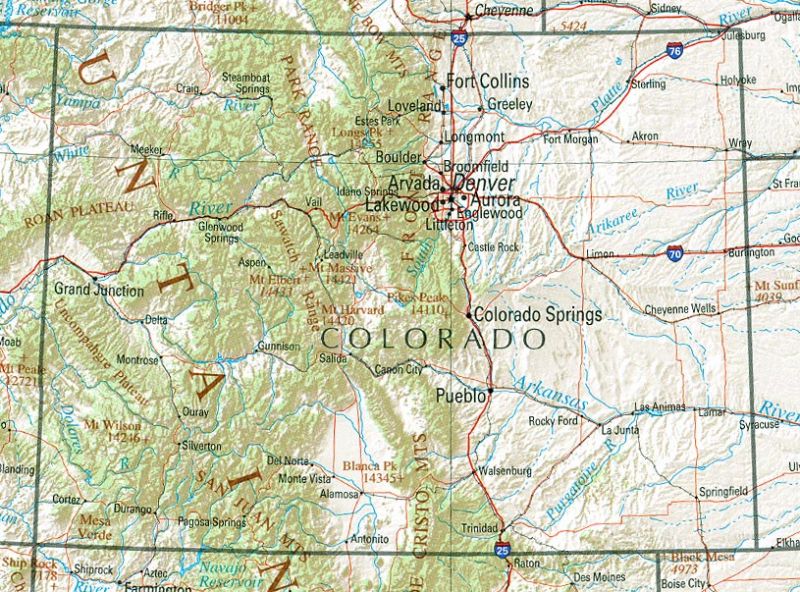
 Well, here's some telling news. According to the Colorado Department of Public Health & Environment, cannabis use among Colorado teens has actually dropped slightly since the state legalized recreational use in 2012. Predictably, the bureaucrats did not emphasize these results. The department's Aug. 7 press release stressed another finding from the survey, that showed Colorado teens view cannabis as less risky than they did a few years ago. The release says preliminary results from the 2013 Healthy Kids Colorado Survey show that 54% of teens in the state consider the stuff risky, down from 58% in 2011. "If we want Colorado to be the healthiest state in the nation, then we need to make sure our youngest citizens understand the risks of using potentially harmful substances," said the department's executive director Larry Wolk. It was left to the Washington Examiner to tout the department's other findings—that even if kids view pot as less risky, they are also smoking it less. Kayvan Khalatbari, co-foundet the Denver Relief dispensary, is quoted venturing a plausible explanation: "Cannabis, now that it's legal, kind of is an old person's drug. It's something that kids are seeing adults use all over the place. It just doesn't seem as cool to kids anymore."
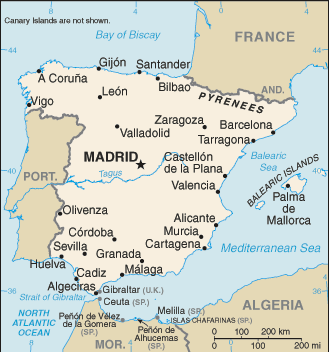 In the past few years, Spain's freewheeling Mediterranean port city of Barcelona has come to rival Amsterdam as Europe's premier cannabis scene, with a proliferation of clubs where merry-makers openly light up. Now the
 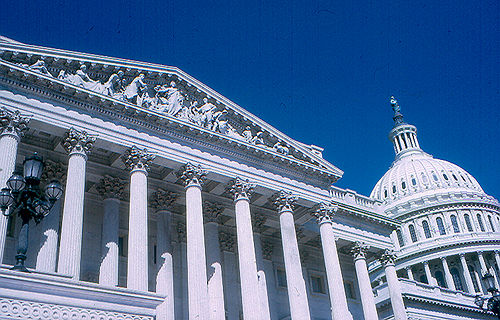 US Rep.
  The
The  The decrim train rolled into Philadelphia on June 19 as the
 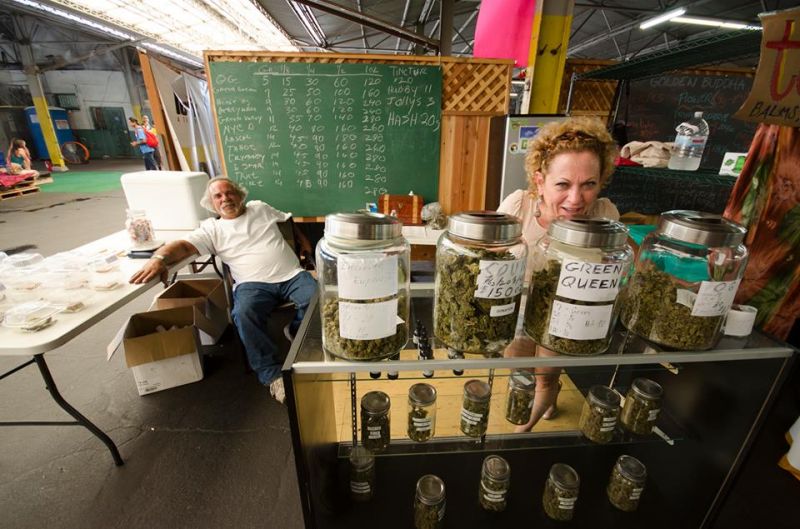 Los Angeles' first-ever marijuana farmers market was
  The media (
 In another sign of the new progressive tilt in New York City politics, the



Recent comments
16 weeks 1 day ago
16 weeks 4 days ago
24 weeks 5 days ago
25 weeks 6 days ago
26 weeks 4 days ago
31 weeks 6 days ago
38 weeks 2 days ago
38 weeks 2 days ago
41 weeks 3 days ago
42 weeks 2 days ago