
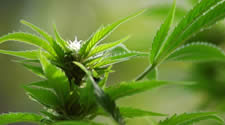
 Something of a corporate scramble is underway to secure patents for the various curative properties of CBD, and associated products and procedures. Pharmaceutical firms see a windfall, but some activists raise concerns about the creeping privatization of a cannabinoid that should belong to the genetic and intellectual commons of the human race. How realistic are fears about the imminent arrival of "corporate cannabis"?
 With US stock exchanges still almost entirely closed to cannabis businesses, the stateside industry is increasingly seeking access to the Canadian exchanges in order to secure investment. Taking over publicly traded Canadian firms through reverse mergers has emerged as the critical tactic in this endeavor.
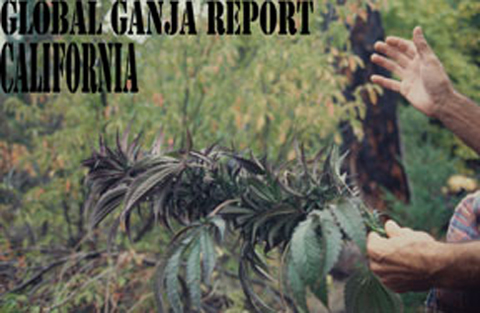 In Humboldt County, famed as the heartland of Northern California's cannabis-producing Emerald Triangle, big police raids of cultivation sites—with thousands of plants eradicated—are continuing despite the Golden State's new legalization program. Many growers are choosing to remain underground, in spite of the risks to their property and freedom. And a big part of the reason why seems to lie in a confusing and contested county regulation regime.
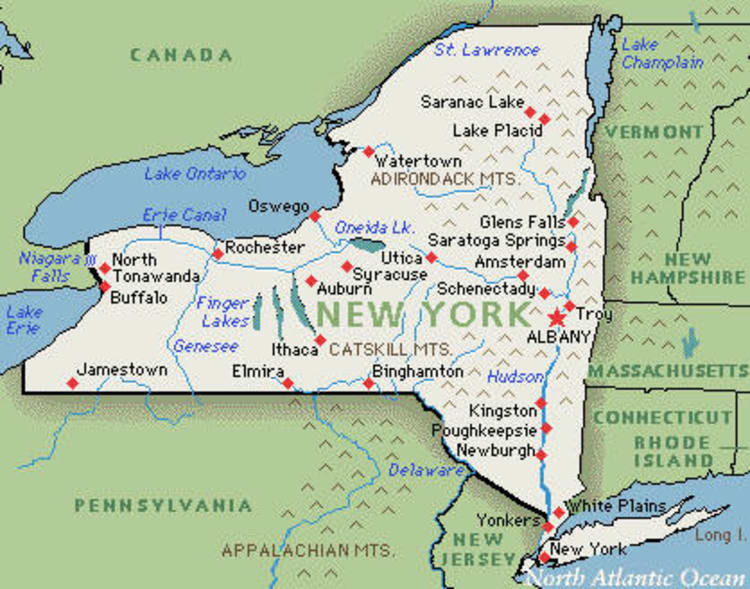 Things are moving fast in the Empire State, with cannabis legalization proposals striding toward mainstream acceptance—spurred by a growing sense of injustice over the racial disparities in enforcement. In what could be a watershed moment, the state Democratic Party just adopted a resolution to embrace legalization. The party elite seem to be feeling the pressure from below in a gubernatorial election year.
 Arizona's top court issued a ruling hailed as a victory both for medicinal cannabis users and for the power of the state's voters to make law through the initiative process. The justices struck down a law banning possession of cannabis on college campuses even by those registered under the state medical marijuana program. In fact, the victory is limited—it doesn't mean students with medical marijuana cards can now light up on campus. But simple possession, at least, now cannot be prosecuted.
 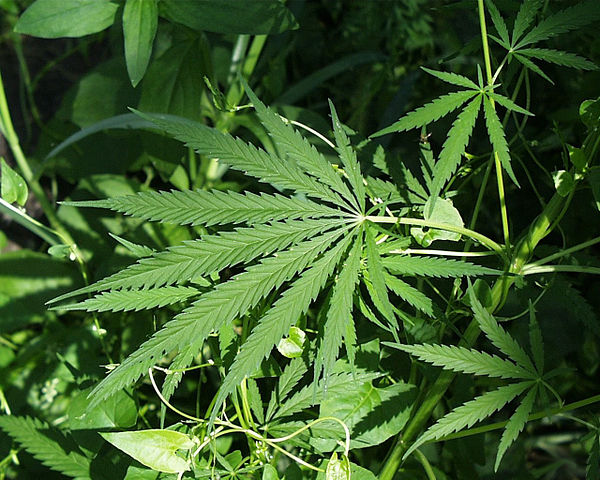 A big multi-agency "reclamation" effort on national forest lands in the Emerald Triangle points again to the serious environmental impacts of outlaw cannabis cultivation. Will this be the last gasp of this sort of thing now that California has legalized?
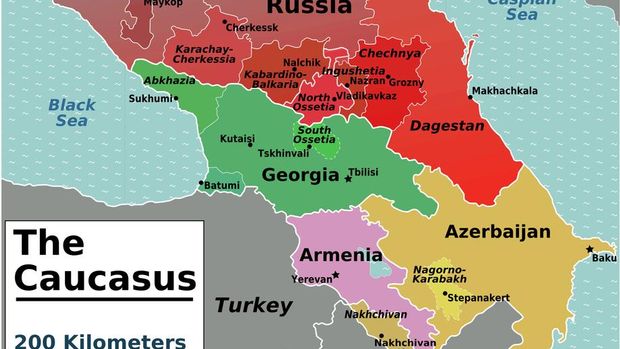 A protest in the Caucasus republic of Georgia to demand legalization of personal drugs use, with an emphasis on cannabis, points to changing times in the former USSR. The youth group behind the protest was first formed to demand freedom for a popular artist who was sentenced to 14 years for possession of a small amount of herb. The country's top court actually struck down penalties for cannabis possession as a result of the case. But the activists are pressing their campaign—a sign of cultural thaw in a region with very harsh drug laws.
 A deadly five-car pile-up on a Bay Area freeway brings into sharp focus the questions around cannabis use and road safety. Media exploitation of such carnage as propaganda against legalization, however, is missing some critical points.



Recent comments
10 weeks 3 days ago
10 weeks 6 days ago
19 weeks 8 hours ago
20 weeks 1 day ago
20 weeks 6 days ago
26 weeks 1 day ago
32 weeks 4 days ago
32 weeks 4 days ago
35 weeks 5 days ago
36 weeks 4 days ago