
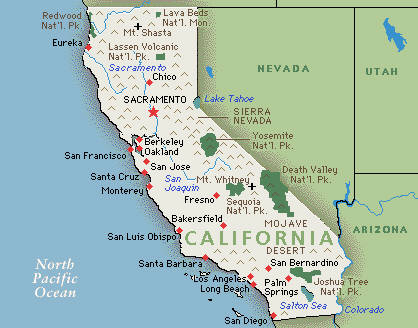
 A fire swept through one of California's premier cannabis cultivation facilities, at Greenfield in Monterey County's agricultural Salinas Valley—destroying several greenhouses, and a large quantity of product. Authorities say an investigation is underway. But the timing of the blaze does raise eyebrows—it started at exactly 4:20.
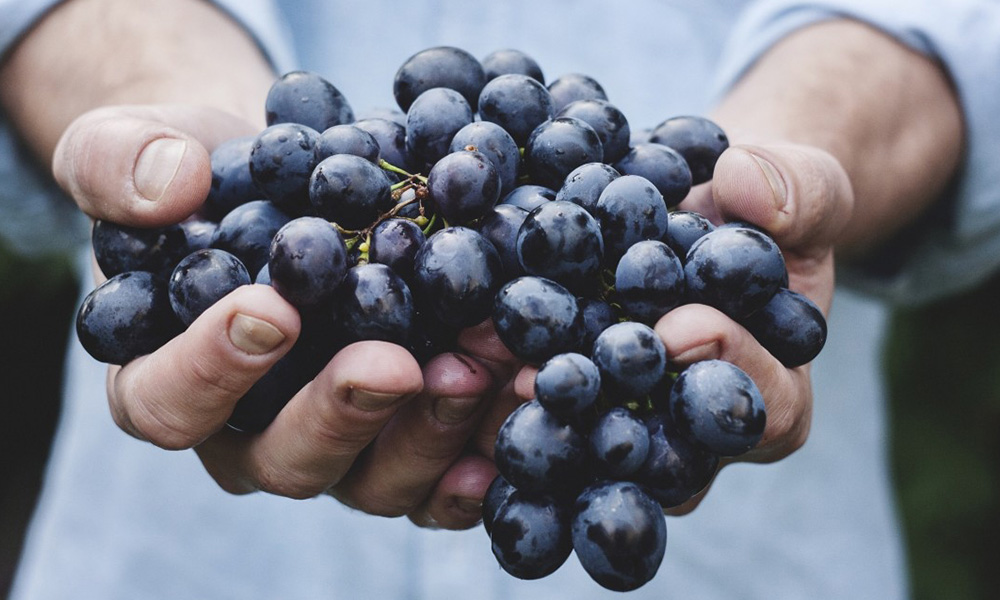 The main alcohol industry trade association has just signaled its support for cannabis legalization—despite a seeming history of intriguing against it. With a shift in public consciousness and potential for synergy in cannabis-infused wine, beer and cocktails, the booze biz may be adopting an attitude of "If you can't beat 'em, join 'em."
 New York and New Jersey are notorious rivals. Especially New York City denizens see themselves as metropolitan sophisticates and view their neighbors across the Hudson River as rubes. But the two states are now racing to see which will legalize cannabis first. There are formidable obstacles in both states, but New Jersey is clearly ahead.
 Sri Lanka has announced that it will start hanging drug convicts, ending a long moratorium on executions. Leaders explicitly hope to "replicate the success" of Rodrigo Duterte's bloody anti-drug campaign in the Philippines, which has now reached the point of mass murder. And while the imminent executions are for cocaine and heroin charges, the move comes amid a widening crackdown on cannabis. Yet proposals to allow medical cultivation provide some hope for a more tolerant model.
 California health authorities dealt a blow to the burgeoning CBD business by banning preparations of the cannabinoid derived from industrial hemp rather than psychoactive cannabis. The diktat adds to the legal confusion around CBD, and highlights the need for greater clarity from the competent authorities at both the state and federal level.
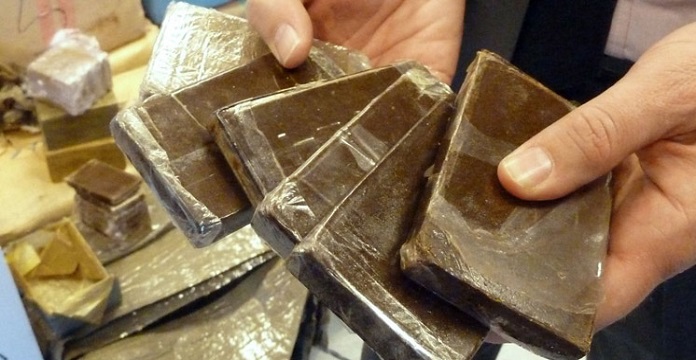 A new cannabis legalization initiative is being pushed for Lebanon, long a legendary hashish producer. This time the idea has won influential international backers. And the cannabis-grower militias have actually mobilized to beat back ISIS incursions into the hashish heartland of Bekaa Valley from neighboring Syria. Is the time finally ripe for the day-lighting of Lebanon's powerful hashish industry?
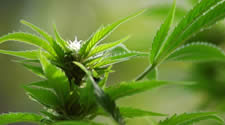 Medical marijuana users who demand their right to smoke herbaceous cannabis were dealt a double whammy as Oklahoma health authorities and a Florida court each issued edicts upholding strictures on smokable forms. But is it really medical marijuana if it doesn't include the right to smoke the herbaceous form of the plant?



Recent comments
10 weeks 3 days ago
10 weeks 6 days ago
19 weeks 8 hours ago
20 weeks 1 day ago
20 weeks 6 days ago
26 weeks 1 day ago
32 weeks 4 days ago
32 weeks 4 days ago
35 weeks 5 days ago
36 weeks 4 days ago