
 On July 25, following extensive testimony from medical cannabis advocates, the San Diego City Council voted to repeal an ordinance passed in April that would have restricted dispensaries to a few remote industrial areas of the city. Only a couple of collectives would have been allowed to open after they came into compliance with one of the most strict ordinances in the state of California. The City Council must now consider the recommendations of its own Medical Marijuana Task Force, which came up with a less restrictive set of rules—although still keeping dispensaries 1,000 feet away from schools, playgrounds, libraries, childcare facilities.
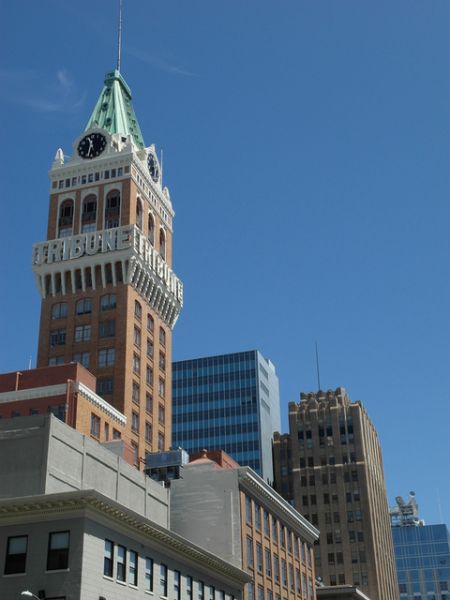 The Oakland City Council on July 26 passed an ordinance that will double the number of medical marijuana dispensaries in the city, to eight from the current four—the
  Speaking before a conference of campesina women in Cochabamba July 25, Bolivia's President Evo Morales said he fears a US plot to frame him for drug offense: "Do you know what? I think they have to be preparing something. So much that I'm afraid to go with our airplane to the United States. Surely when we arrive, they can plant something and detain the presidential plane."
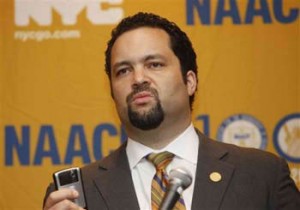 The National Association for the Advancement of Colored People (
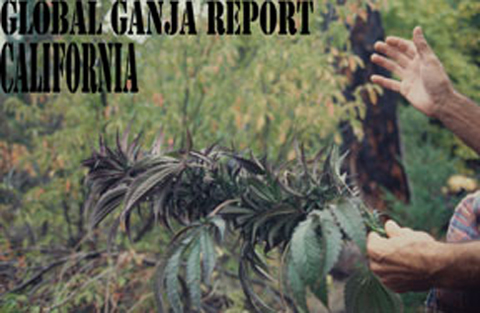 A massive, six-county cannabis eradication operation targeting Northern California's
 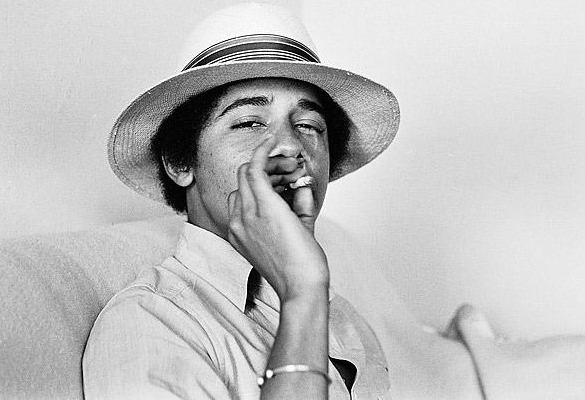 Writing on his
  The country's leading medical marijuana advocacy group, Americans for Safe Access (






Recent comments
15 weeks 3 days ago
15 weeks 6 days ago
24 weeks 16 hours ago
25 weeks 1 day ago
25 weeks 6 days ago
31 weeks 2 days ago
37 weeks 4 days ago
37 weeks 4 days ago
40 weeks 5 days ago
41 weeks 4 days ago