
 On April 2, a bipartisan group of legislators from five medical marijuana states—California, Colorado, Maine, New Mexico, and Washington—issued an open letter to President Barack Obama opposing the federal crackdown and calling upon his administration to "respect our state laws." The lawmakers underscored that such an aggressive policy "makes no sense" and is "not a good use of our resources," recalling Obama's original pledge to de-emphasize enforcement in states with medical marijuana laws.
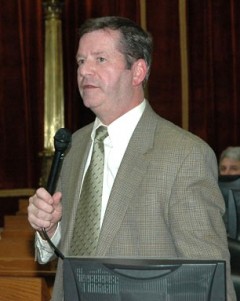 Robert Watson, a Republican Rhode Island state lawmaker charged with pot possession and DUI in Connecticut, is said to be hoping for a plea bargain in New Haven Superior Court. Watson, who has pleaded not guilty, lost his job as Rhode Island's House minority leader after his April arrest in East Haven. (
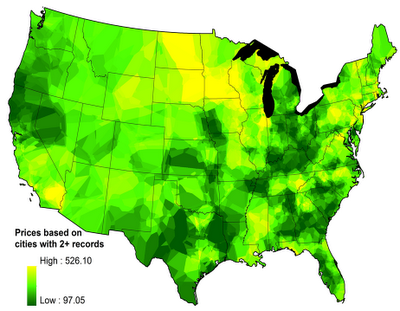 The oddly named mapping website
  The Supreme Court heard arguments Feb. 28 in DePierre v. United States, on whether the term "cocaine base" in the Federal Sentencing Guidelines is limited to "crack" or includes all forms of cocaine chemically classified as a base. The US First Circuit Court of Appeals in Boston ruled that "cocaine base" refers to "all forms of cocaine base, including, but not limited to crack cocaine." Counsel for the petitioner argue that Congress did not intend "cocaine base" to refer to substances used in the crack-production process.
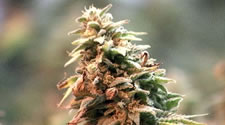 Voters in more than a dozen Massachusetts legislative districts backed dramatic expansions to legal access to cannabis in the Nov. 2 elections, and advocates plan to use the results to press lawmakers. Nine of 18 advisory questions placed on the ballot queried voters on medical marijuana, while another nine backed legalizing cannabis outright, allowing the state to regulate and tax it.



Recent comments
13 weeks 1 day ago
13 weeks 4 days ago
21 weeks 5 days ago
22 weeks 6 days ago
23 weeks 5 days ago
29 weeks 4 hours ago
35 weeks 2 days ago
35 weeks 3 days ago
38 weeks 3 days ago
39 weeks 3 days ago