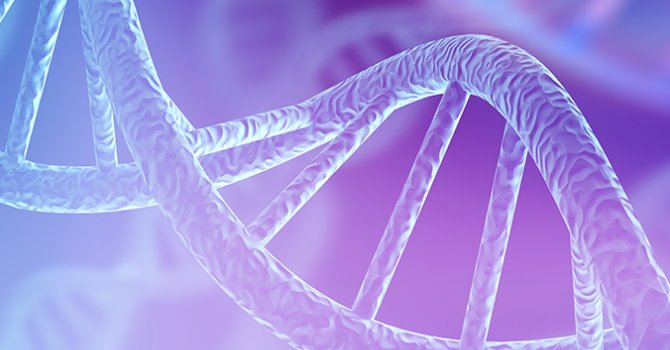
 In the near future, the CBD, THC or other cannabinoids you consume in edibles or medications may not be derived from cannabis at all, but grown in a laboratory.
Kevin Chen, CEO and co-founder of Hyasynth Bio, describes the Montreal-based start-up as "focused on engineering strains of yeast to produce the active compounds of cannabis without having to grow plants."
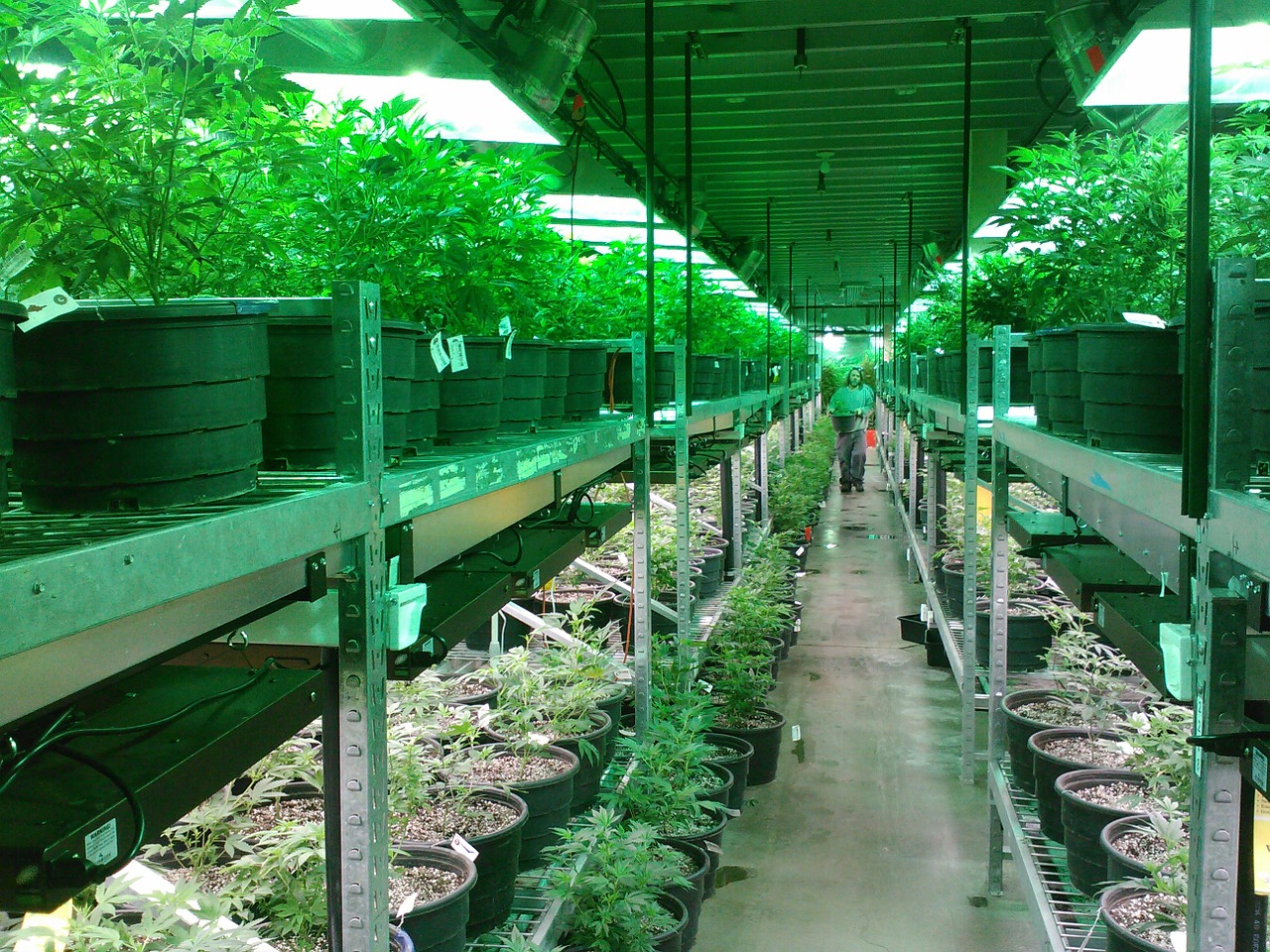 Gains are reported from Massachusetts in organized labor's push to unionize the cannabis industry. But significant obstacles remain—from management roadblocking, to the ambiguous status under national labor law of an industry dealing in a federally illegal substance.
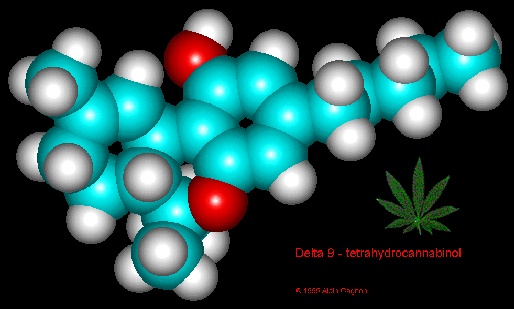 CBD products are now everywhere—health-food emporia, pharmacies, truck-stops. And pursuant to the 2018 Farm Bill, they are now legal—as long as the CBD is derived from “hemp” as opposed to what has traditionally been called “marijuana.” Hemp, as legally defined, is cannabis with under 0.3% THC—the psychoactive component of the plant, responsible for the long-stigmatized “high.”
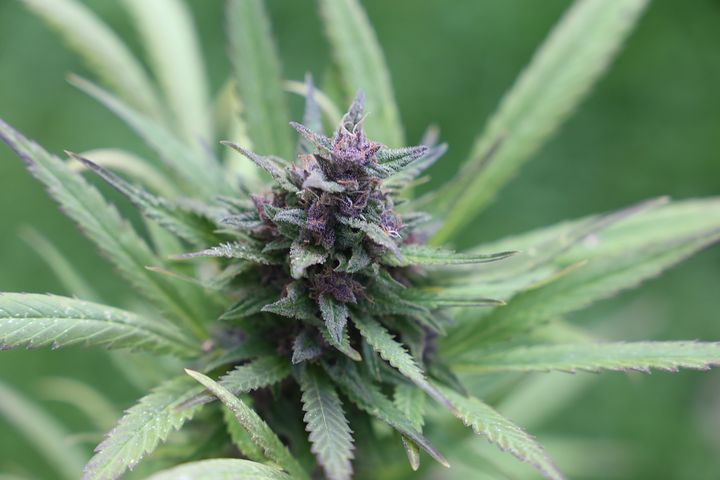 Lockdowns and economic paralysis imposed by the COVID-19 outbreak are spurring a new emphasis on self-sufficiency. Even before the crisis, medicinal cannabis users facing shortages at local dispensaries were turning to home cultivation.
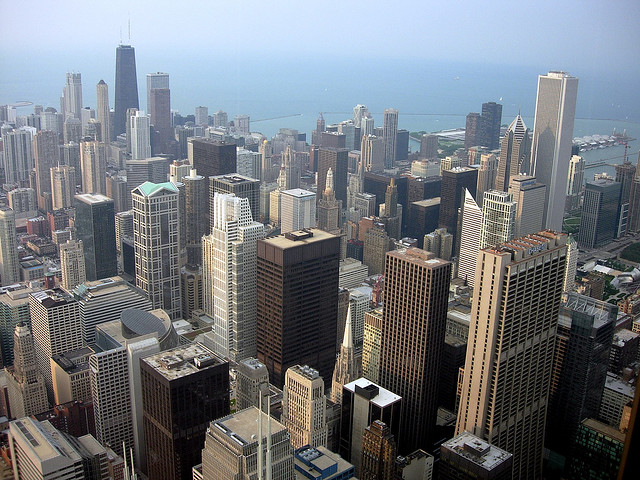 A month into legal cannabis in Illinois, Chicago is considering various experimental models for cultivation and retail sales aimed at empowering those communities criminalized under prohibition. Ideas being weighed include a city-owned cultivation coop which residents could join, including the low-income on a "sweat equity" basis.
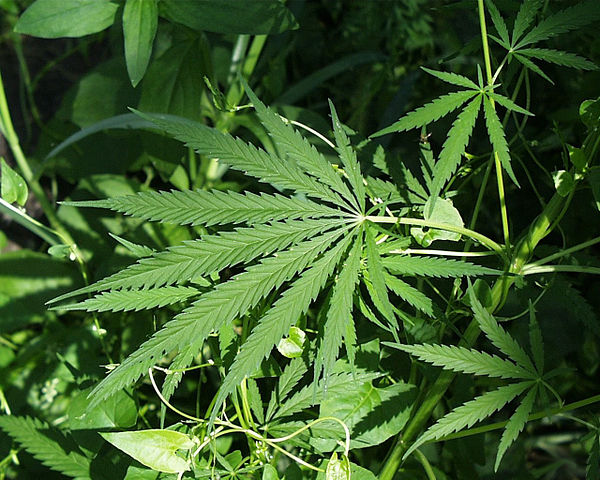 Zambia becomes the latest African country to legalize cannabis cultivation—in the midst of a shriveling drought that has caused massive crop failures. The landlocked republic could be an unwilling test case in whether cannabis is as effective a drought-resistant crop as its boosters claim.
 A new study in Canada on cannabis and driving casts doubt on zero-tolerance limits for THC. The study's authors say that THC can indeed impair driving—but that applying laws designed for booze to marijuana is bad science and bad policy.
 2019 saw advances for cannabis freedom on both the national and global stage—but also some near-misses, from New York state to Mexico, which have left activists frustrated if no less determined. As advocates prepare to carry the fight into 2020, here's a review of what was achieved—or almost achieved—over the past 12 months.



Recent comments
2 weeks 4 days ago
3 weeks 4 days ago
3 weeks 5 days ago
24 weeks 5 days ago
28 weeks 6 days ago
30 weeks 3 days ago
30 weeks 4 days ago
42 weeks 6 days ago
48 weeks 4 days ago
1 year 7 weeks ago