
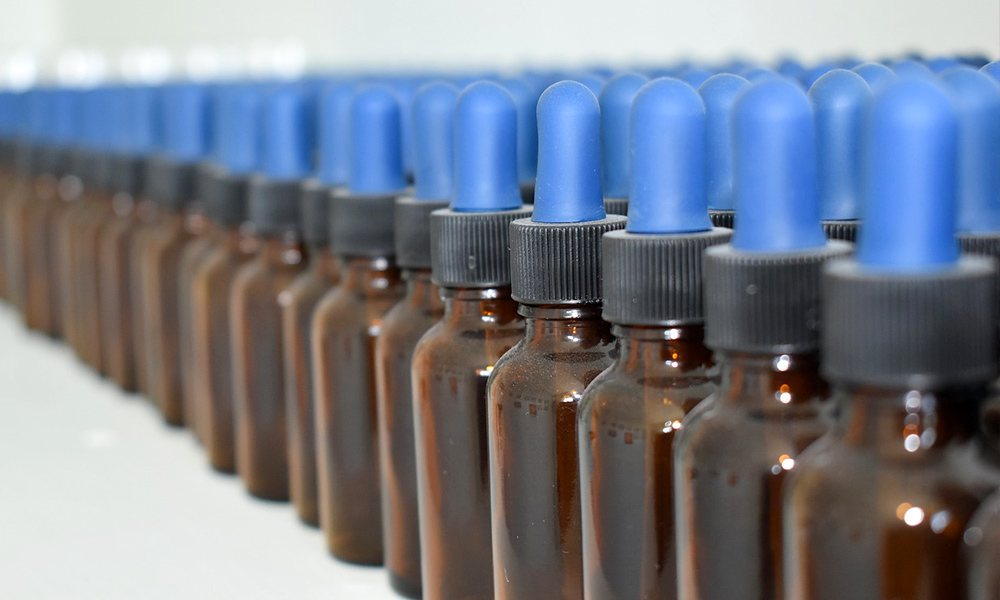
 The British government has finally capitulated to pressure from patients, activists and even regional authorities, and officially pledged to make medical cannabis products available on prescription this year. But it remains to be seen which products will win approval—and actual herbaceous cannabis is unlikely to make the cut.
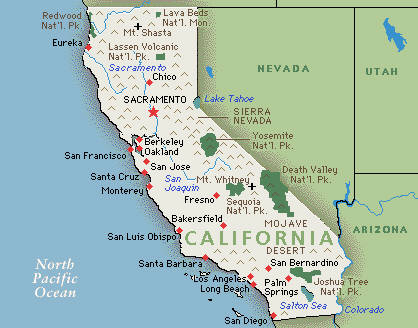 A fire swept through one of California's premier cannabis cultivation facilities, at Greenfield in Monterey County's agricultural Salinas Valley—destroying several greenhouses, and a large quantity of product. Authorities say an investigation is underway. But the timing of the blaze does raise eyebrows—it started at exactly 4:20.
 With Oklahoma’s passage of a medical marijuana law, advocacy organizations say there is now only one state in the entire union without some sort of legal provision for medicinal use of either herbal cannabis or cannabinoid extracts: Idaho. And with a governor's race this year, there may be hope even there. One by one, even the most culturally conservative states are succumbing to the demands of patients and the findings of science to pass laws to allow use of (at least) extracts containing cannabinoids, or (at most) actual herbaceous marijuana, for either medical or "recreational" purposes.
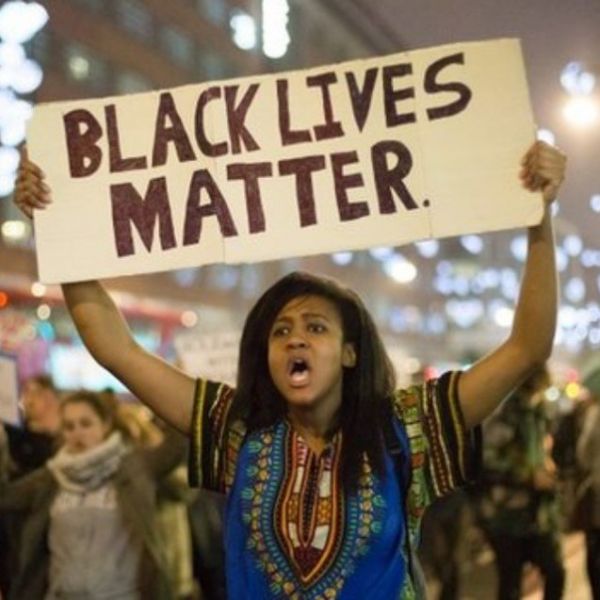 A figure from the Bay Area cannabis industry was embroiled in America's fast-escalating culture wars when she threatened to call the police on a young Black girl selling water on a San Francisco street. In the outcry, she has stepped down from her own company—and helped draw a line over what behavior is considered acceptable in the cannabis community.
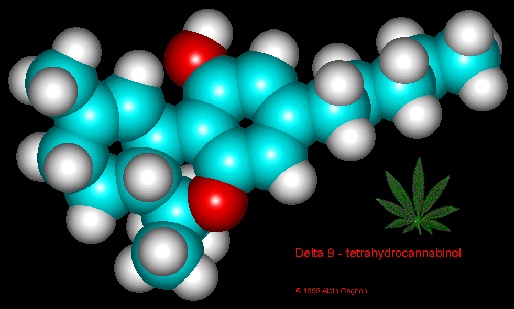 For a generation now, science has known of two cannabinoid receptors—specialized protein molecules that interact with the active compounds in the cannabis plant for the human body. These are CB1 and CB2, both discovered in the early '90s. Now there is growing awareness of a third such receptor that was identified in 2007. This receptor, GPR55, may be key to understanding a wide spectrum of therapeutic applications for cannabinoids—and especially the non-psychoactive cannabidiol, or CBD.
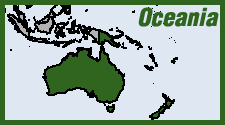 The government of New Zealand has announced that it plans to hold a referendum on cannabis legalization, possibly as early as next year. A medical marijuana bill is already pending in the country's parliament. But it has taken generations of activist effort by Kiwis to bring Aotearoa (by the country's indigenous Maori name) to this point. Cannabis Now speaks with some of the leaders who made it happen.
 Something of a corporate scramble is underway to secure patents for the various curative properties of CBD, and associated products and procedures. Pharmaceutical firms see a windfall, but some activists raise concerns about the creeping privatization of a cannabinoid that should belong to the genetic and intellectual commons of the human race. How realistic are fears about the imminent arrival of "corporate cannabis"?



Recent comments
12 weeks 6 days ago
13 weeks 2 days ago
21 weeks 3 days ago
22 weeks 4 days ago
23 weeks 3 days ago
28 weeks 5 days ago
35 weeks 17 hours ago
35 weeks 1 day ago
38 weeks 1 day ago
39 weeks 1 day ago