
 Total area planted with coca in Bolivia dropped by up to 13% last year, according to separate reports by the UN Office on Drugs and Crime and the White House Office of National Drug Control Policy. Bolivia stepped up efforts to eradicate unauthorized coca plantings, and reported an increase in seizures of cocaine and cocaine base—even as the Evo Morales government expanded areas where coca can be grown legally. "It's fascinating to look at a country that kicked out the United States ambassador and the DEA, and the expectation on the part of the United States is that drug war efforts would fall apart," Kathryn Ledebur, director of the Andean Information Network, told the New York Times. Instead, she said, Bolivia's approach is "showing results."
 Well, the dust has hardly settled but the boots are at the door; they might come storming through, riling up that dust some more.
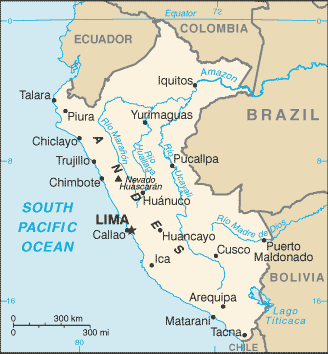 Police in Peru said Aug. 3 they had destroyed more than 50 tons of cannabis following a five-day operation that uncovered a record 207,000 plants in two central regions of the country. Interior Minister Wilfredo Pedraza said the operation led to the burning of 17 times more cannabis than had been destroyed in all of 2011. National Police Director Gen. Raúl Salazar said a total of 34.5 hectares (85.25 acres) of cannabis plantations had been destroyed in the La Libertad and Huánuco regions. Gen. Salazar said police have identified the financial brains behind the plantations and were moving in on him. (
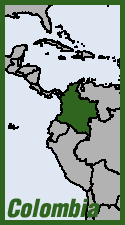 Colombia's Constitutional Court on June 28 approved a measure to decriminalize possession of personal quantities of cocaine and cannabis. Those caught with less than 22 grams of cannabis or one gram of cocaine for personal use may receive mandated treatment depending on their level of intoxication, but may not be prosecuted or detained, the court ruled.
 Venezuela on May 16 demanded that the US extradite a former supreme court judge who has accused high-ranking figures of the Hugo Chávez government of links to drug-trafficking. The fugitive judge, Eladio Aponte Aponte, was removed from office in March over charges that he provided forged documents to accused trafficker



Recent comments
12 weeks 4 days ago
13 weeks 6 hours ago
21 weeks 1 day ago
22 weeks 2 days ago
23 weeks 10 hours ago
28 weeks 2 days ago
34 weeks 5 days ago
34 weeks 5 days ago
37 weeks 6 days ago
38 weeks 5 days ago