
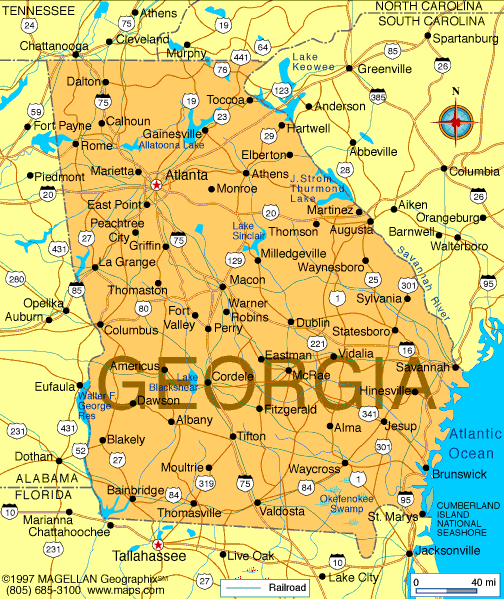
 A Georgia family and state lawmakers are demanding a federal investigation into the case of a toddler severely injured by a flash grenade during a drug raid May 28. Bounkham Phonesavanh—19 months old, and nicknamed Bou Bou—remains in a medically induced coma at the Grady Memorial Hospital burn unit in Atlanta. Habersham County District Attorney Brian Rickman told AP his office is investigating to determine whether any officers will face criminal charges. Police said officers were searching for a potentially armed drug suspect at the home and did not know children were inside when they broke down the door and threw in a flash grenade. The grenade landed in the sleeping boy's playpen, according to both authorities and the Phonesavanh family.
 University of Kentucky agronomy researchers on May 27 planted a small hemp plot at
  In an unprecedented 219-189 floor vote late May 29, the House of Representatives approved the end of funding for Department of Justice (DoJ) enforcement in medical marijuana states. Advocates are hailing the vote as a major victory that signals a shift in the approach Congress is taking on this issue. The vote was on Amendment No. 25 to the Commerce, Justice & Science (CJS) appropriations bill. One hundred seventy Democrats and 49 Republicans voted in favor of the amendment. "This Congressional vote is a huge victory for patients," said Steph Sherer, executive director of Americans for Safe Access. "No longer will we have to look over our shoulder and worry when the next raid or indictment will prevent us from safely and legally accessing our medicine. This is a game-changer that paves the way for much more policy change to come."
 Gov.
Gov. 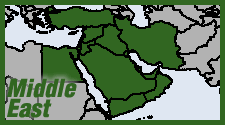 A May 20 Reuters report picked up by Israel's dialy
 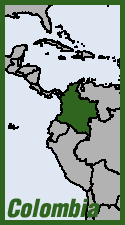 Colombia’s government and the FARC guerilla organization announced an agreement May 16, entitled "Solution to the Problem of Illicit Drugs," in which they pledge to work together agianst the narco trade. The FARC, whose top leaders face extradition to the United States on trafficking charges, agreed to "end any relationship" with the illicit drug trade, and cooperate in a "National Program for the substitution of the illicit uses of coca, poppy, and marijuana crops." The accord calls for "integral development plans" for rural communities impacted by the drug trade, to be drawn up with the participation of those communities, in the context of an "Integral Rural Reform." It also calls for an international conference to be held under the auspices of the UN to reconsider global strategies against drugs—the one veiled reference in the agreement to the FARC's
 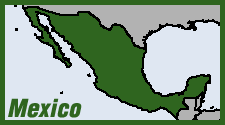 Mexico's government has pledged to deploy more security forces to Tamaulipas—right on the Texas border, and one of the country's most violent states. Mexican Governance Minister Miguel Angel Osorio promised a "new phase" of action against the state's warring drug cartels. The move was prompted by the May 5 assassination of



Recent comments
15 weeks 1 day ago
15 weeks 4 days ago
23 weeks 5 days ago
24 weeks 6 days ago
25 weeks 4 days ago
31 weeks 2 hours ago
37 weeks 2 days ago
37 weeks 2 days ago
40 weeks 3 days ago
41 weeks 2 days ago