
 The Oakland City Council on July 26 passed an ordinance that will double the number of medical marijuana dispensaries in the city, to eight from the current four—the Oakland Patient Center, the Purple Heart Patient Center, Coffeeshop Blue Sky, and the Harborside Health Center. The new ordinance was passed with an amendment that provides the city with access to all the dispensaries' financial information. And accompanying legislation imposes a $5,000 application fee and a $60,000 annual regulatory fee on each dispensary. The Council put off discussion of amending the city's cultivation ordinance, which would regulate large-scale cannabis farms, until the Public Safety Committee reconvenes in the fall. (Office of the City Clerk, City of Oakland, July 26; San Francisco Chronicle's Oakland Blog, July 13)
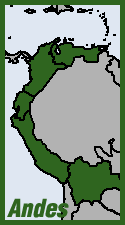 Speaking before a conference of campesina women in Cochabamba July 25, Bolivia's President Evo Morales said he fears a US plot to frame him for drug offense: "Do you know what? I think they have to be preparing something. So much that I'm afraid to go with our airplane to the United States. Surely when we arrive, they can plant something and detain the presidential plane."
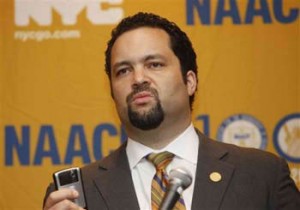 The National Association for the Advancement of Colored People (
 A massive, six-county cannabis eradication operation targeting Northern California's
 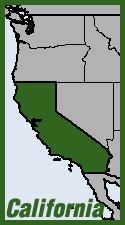 Law enforcement agents in six Northern California counties are preparing for the largest series of cannabis raids yet conducted in the Emerald Triangle. "Operation Full Court Press" will unleash hundreds of local, state and federal agents, first targeting the
  The country's leading medical marijuana advocacy group, Americans for Safe Access (
 New Jersey Gov. Chris Christie held a press conference July 19 to announce his plans to "begin work immediately" on his state's pending medical marijuana program. "We're moving forward with the program as it was set up," said Christie, with the expectation that licensed Alternative Treatment Centers could be up and operating as early as the end of 2011. Christie said he believed "the need to provide compassionate pain relief to these citizens of our state outweighs the risk we are taking in moving forward with the program." Christie's announcement comes in spite of threats from US Attorneys on the issue and a June 29



Recent comments
15 weeks 1 day ago
15 weeks 4 days ago
23 weeks 5 days ago
24 weeks 6 days ago
25 weeks 4 days ago
30 weeks 6 days ago
37 weeks 2 days ago
37 weeks 2 days ago
40 weeks 3 days ago
41 weeks 2 days ago