
 Authorities in Saudi Arabia have sought the death penalty against dissident bloggers, and actually imposed prison terms and hundreds of lashes, for such sins as opposing sharia law and advocating equal rights for women. But now the conservative kingdom's General Directorate for Drug Control (GDDC) is hunting for a 13-year-old boy who appeared in a video clip teaching some of his friends the art of rolling a cigarette laced with hashish. Abdul Ilah Al-Sharif, assistant director general of the GDDC for preventive affairs, told Saudi Gazette that the agency is seeking the help of IT experts in tracking down the audacious young vlogger. The video clip, widely circulated on the Path social media platform, showed the boy proudly schooling viewers in the fine art of rolling a hash cigarette—using all the required materials, including a pinch each of tobacco and hashish, as well as a sheet from Al-Sham newspaper to wrap the goodies up in.
 In a dramatic early morning raid June 4, some 400 NYPD cops wearing bullet-proof vests stormed the Manhattanville and Grant housing projects in Harlem, arresting scores in what was boasted as the largest gang case in New York City history. In what was dubbed Operation Crew Cut Initiative, police commissioner
 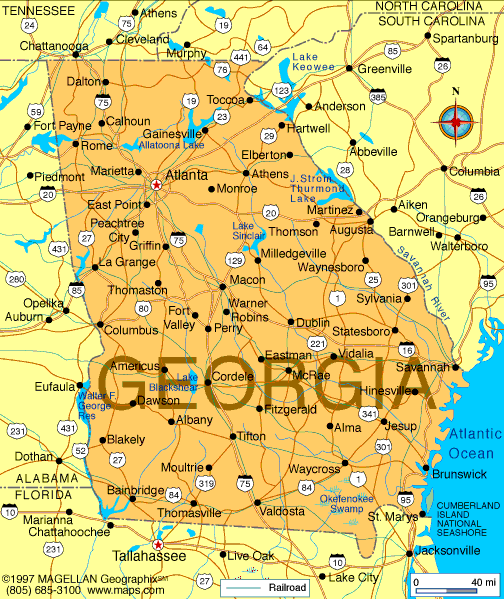 A Georgia family and state lawmakers are demanding a federal investigation into the case of a toddler severely injured by a flash grenade during a drug raid May 28. Bounkham Phonesavanh—19 months old, and nicknamed Bou Bou—remains in a medically induced coma at the Grady Memorial Hospital burn unit in Atlanta. Habersham County District Attorney Brian Rickman told AP his office is investigating to determine whether any officers will face criminal charges. Police said officers were searching for a potentially armed drug suspect at the home and did not know children were inside when they broke down the door and threw in a flash grenade. The grenade landed in the sleeping boy's playpen, according to both authorities and the Phonesavanh family.
 University of Kentucky agronomy researchers on May 27 planted a small hemp plot at
  In an unprecedented 219-189 floor vote late May 29, the House of Representatives approved the end of funding for Department of Justice (DoJ) enforcement in medical marijuana states. Advocates are hailing the vote as a major victory that signals a shift in the approach Congress is taking on this issue. The vote was on Amendment No. 25 to the Commerce, Justice & Science (CJS) appropriations bill. One hundred seventy Democrats and 49 Republicans voted in favor of the amendment. "This Congressional vote is a huge victory for patients," said Steph Sherer, executive director of Americans for Safe Access. "No longer will we have to look over our shoulder and worry when the next raid or indictment will prevent us from safely and legally accessing our medicine. This is a game-changer that paves the way for much more policy change to come."
 Gov.
Gov. 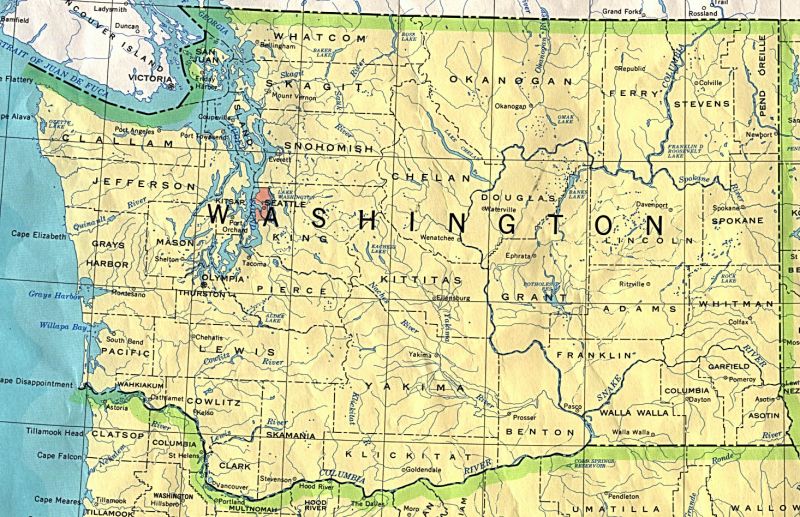 Cannabis cultivation is emerging as an issue in the American West's interminable conflicts over control of water. On May 20, the US



Recent comments
15 weeks 1 day ago
15 weeks 4 days ago
23 weeks 5 days ago
24 weeks 6 days ago
25 weeks 4 days ago
30 weeks 6 days ago
37 weeks 2 days ago
37 weeks 2 days ago
40 weeks 3 days ago
41 weeks 2 days ago