
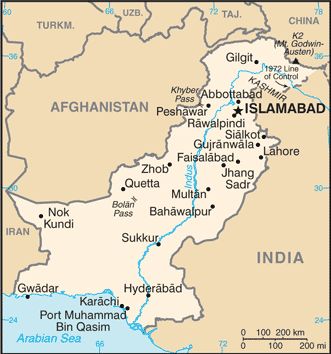
 Pakistan's Anti-Narcotic Force (ANF) on Nov. 20 announced the latest in a string of of mega-scale hashish busts in recent months. A 4.2-ton haul was reported from a "desolate site" near the mountain village of Tehsil Gulistan, in Qilla Abdullah district of Balochistan province. Authorities said the mega-stash had been deposited along with a smaller quantity of heroin in a hidden spot behind bushes for traffickers to collect for export. (Pakistan Today)
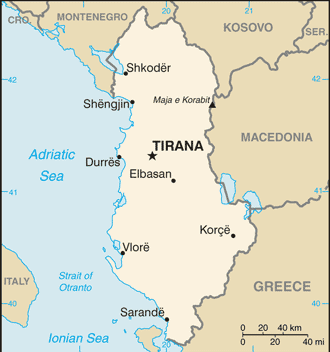 Trying to live down its reputation as Europe's top pot producer, Albania two months ago officially declared itself "marijuana-free," with Interior Minister
 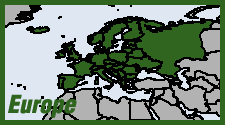 Portugal's Public Security Police (
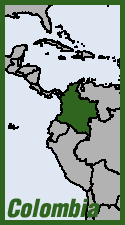 Colombia's President
 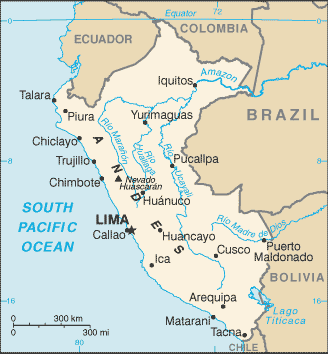 Another massive marijuana raid is reported from Peru's high Andean region of
 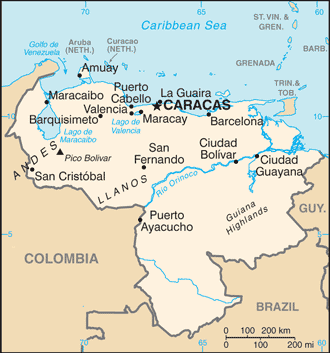 Two nephews of the wife of Venezuela's President
  Industrial hemp became legal in North Carolina on Oct. 31 as Gov.



Recent comments
15 weeks 1 day ago
15 weeks 4 days ago
23 weeks 5 days ago
24 weeks 6 days ago
25 weeks 4 days ago
30 weeks 6 days ago
37 weeks 2 days ago
37 weeks 2 days ago
40 weeks 3 days ago
41 weeks 2 days ago