
 Eighteen members of Congress joined together Feb. 12 in calling on President Barack Obama to use his authority to reclassify cannabis from its current position as a dangerous drug with no medical value, alongside heroin and LSD. The letter (PDF) says that cannabis' current status "makes no sense," and requests that Obama "instruct Attorney General Holder to delist or classify marijuana in a more appropriate way." The Congressional letter comes just days after Obama told The New Yorker magazine that marijuana was less dangerous than alcohol.
 Medical marijuana advocates are telling President
 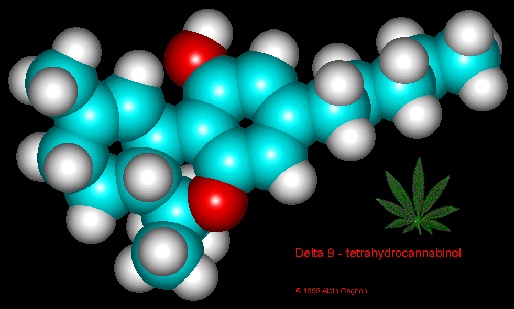 British firm
  The US Supreme Court on Oct. 7 rejected a challenge to the federal government's classification of cannabis as a Schedule I drug with no legitimate medical use. Challenger
 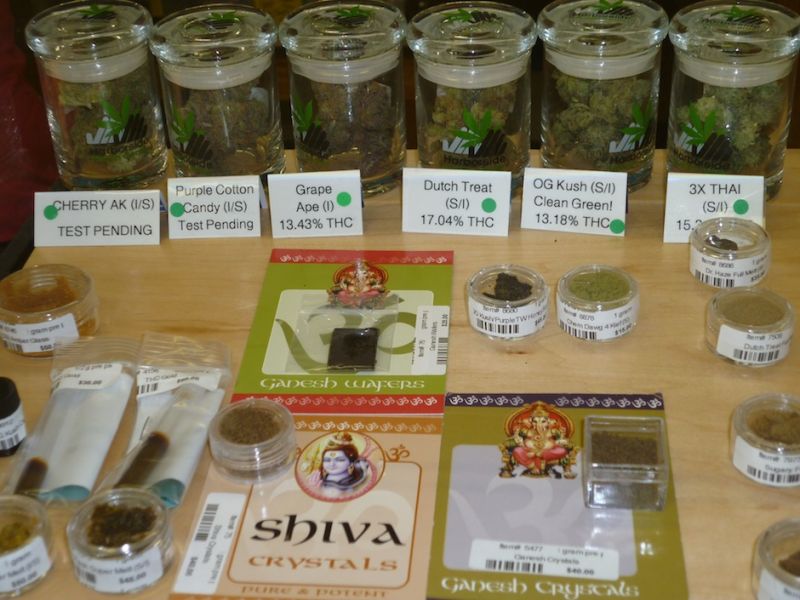 Over the past generation, an informal alliance of activists, cultivators, entrepreneurs and medical professionals has struggled to redefine how the United States views the cannabis plant. Victories at state and municipal levels have created a new field of medicinal treatment for a wide variety of ailments in California and other mostly western states. Medical marijuana marks the starkest point in the divide between an industrial model of healthcare and a millennia-long tradition of herbal self-treatment—because nowhere else has the federal government been so intransigent.
 More than a dozen members of Congress co-introduced legislation Feb. 14 that would reclassify cannabis for medical use and provide federal defendants the right to use state law compliance as evidence in medical marijuana trials, a right they're currently denied. Rep. Earl Blumenauer (D-OR) authored H.R. 689, the "States’ Medical Marijuana Patient Protection Act," which in addition to rescheduling cannabis will allow states to establish production and distribution laws without interference by the federal government, and will remove current obstacles to research. Rep. Sam Farr (D-CA) authored H.R. 710, the "



Recent comments
15 weeks 6 days ago
16 weeks 2 days ago
24 weeks 3 days ago
25 weeks 4 days ago
26 weeks 2 days ago
31 weeks 4 days ago
38 weeks 5 hours ago
38 weeks 12 hours ago
41 weeks 1 day ago
42 weeks 12 hours ago