
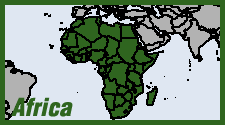
 The New York Times reported July 21 that the US has begun training an elite unit of counternarcotics police in Ghana, and planning similar units in Nigeria and Kenya—part of an effort to combat the Latin American cartels that are increasingly using Africa to traffic cocaine to Europe. The decision comes despite controversy over a similar program in Central America. "We see Africa as the new frontier in terms of counterterrorism and counternarcotics issues," said Jeffrey P. Breeden, chief of the DEA's Europe, Asia and Africa section. "It's a place that we need to get ahead of — we’re already behind the curve in some ways, and we need to catch up."
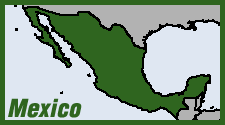 The US Central Intelligence Agency and other international agencies "don't fight drug traffickers," a spokesman for the Chihuahua state government in northern Mexico was quoted by Al Jazeera TV, saying that instead "they try to manage the drug trade." Charges from activists and academics about official complicity in the drug traffic are nothing new—but this was the first time a sitting official from a Mexican state government made such accusations. "It's like pest control companies, they only control," spokesman Guillermo Terrazas Villanueva reportedly told Al Jazeera last month at his office in Ciudad Juárez. "If you finish off the pests, you are out of a job. If they finish the drug business, they finish their jobs."
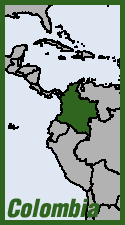 Colombia's Constitutional Court on June 28 approved a measure to decriminalize possession of personal quantities of cocaine and cannabis. Those caught with less than 22 grams of cannabis or one gram of cocaine for personal use may receive mandated treatment depending on their level of intoxication, but may not be prosecuted or detained, the court ruled.
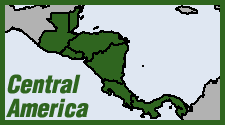 Residents of the villages of Ahuas and Patuca, in the remote Miskito Coast of northeast Honduras, took to the streets May 11 to protest a deadly DEA raid, demanding the US agency leave their territory—and burning down four government offices to make their point. In the incident in the pre-dawn hours that morning on the Río Patuca, four were killed—including two pregnant women—and another four wounded when DEA agents and Honduran National Police agents in a US State Department-contracted helicopter piloted by Guatemalan military men fired on a boat they apparently believed was filled with drug traffickers. Local residents—backed up by the mayor of
  Venezuela on May 16 demanded that the US extradite a former supreme court judge who has accused high-ranking figures of the Hugo Chávez government of links to drug-trafficking. The fugitive judge, Eladio Aponte Aponte, was removed from office in March over charges that he provided forged documents to accused trafficker



Recent comments
12 weeks 2 days ago
12 weeks 5 days ago
20 weeks 6 days ago
22 weeks 19 hours ago
22 weeks 5 days ago
28 weeks 1 day ago
34 weeks 3 days ago
34 weeks 3 days ago
37 weeks 4 days ago
38 weeks 3 days ago