
 The cannabis industry is globalizing fast, which means changes for mainstays of commercial production in Europe and North America, and new players coming on line from regions such as the Middle East, Southeast Asia and Central America. Here’s a brief overview of a few entries from these categories.
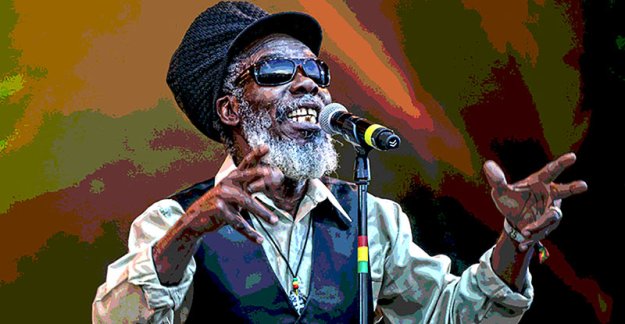 Reggae group the Mighty Diamonds' lead singer Tabby Diamond (née Donald Shaw) was
  The Empire State and Big Sky Country, although seemingly on opposite sides of America’s political divide, now each face the opportunity—and the challenge—of crafting a post-prohibition cannabis economy on the principle of justice for all.
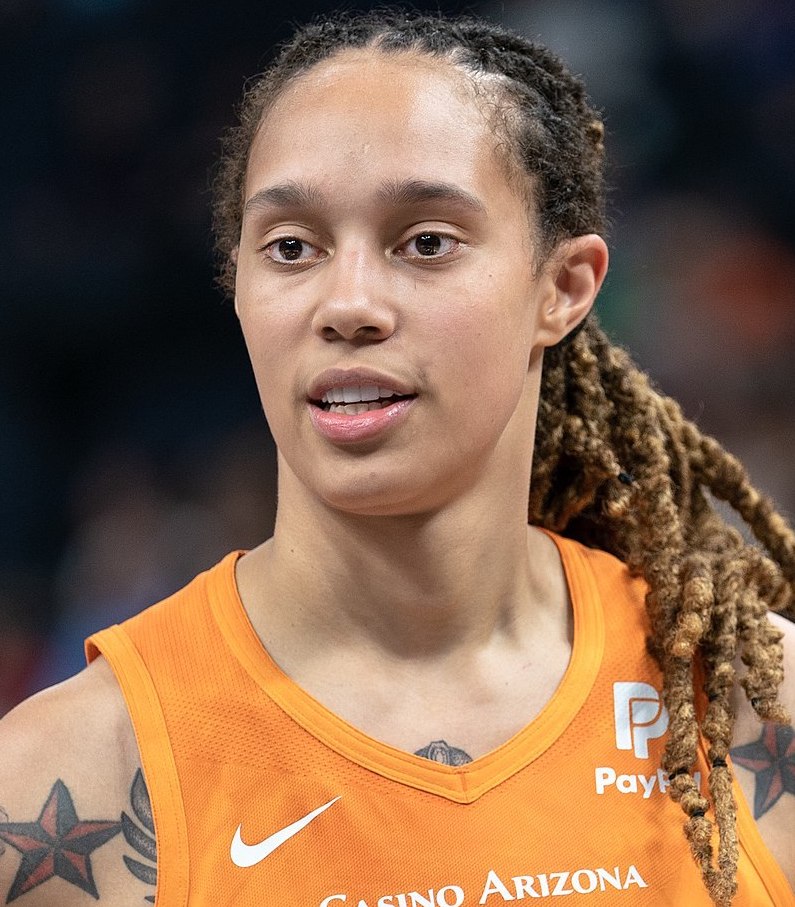 US basketball star, Olympic gold-medalist and LGBTQ icon Brittney Griner was popped at the Moscow airport, supposedly in possession of cannabis oil. She faces up to 10 years—and given the anti-cannabis, anti-gay and anti-American atmosphere in Russia, things are not looking good for her. Will she be used as a bargaining chip to exact concessions from the US in the war for Ukraine?
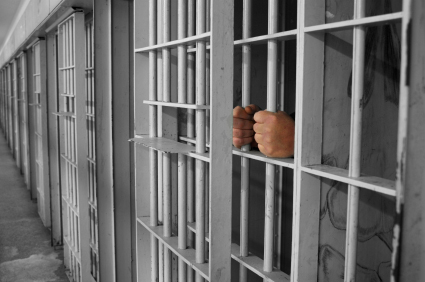 In a proverbial case of "good news, bad news," a national study finds that even as overall incarceration rates have dramatically dropped over the past decade, drug arrest rates have remained high—and racial disparities in arrests have persisted. The disparities have, nonetheless, decreased, as have overall cannabis arrests—with a big uptick in meth arrests taking up the slack.
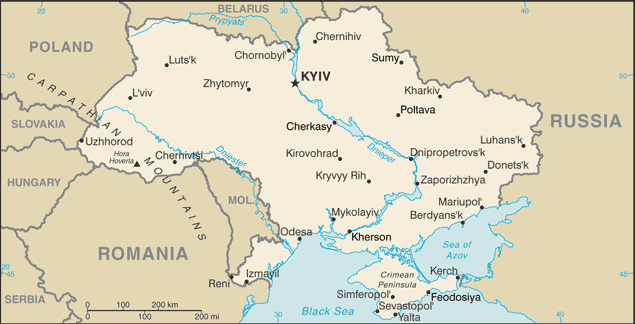 Ukraine has been suddenly thrust upon the center of the world stage, as Russia pours forces over the border in defiance of the West. In the atmosphere of militarization, space for cannabis and alternative culture is likely to close in both countries—but at least such space had been, slowly and tentatively, opening in Ukraine. Russia, pursuing an aggressive drug-war police state at home, may now be poised to impose its cultural-conservative agenda and roll back the recent gains in its smaller neighbor.
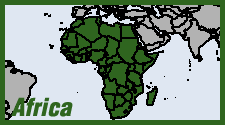 There has been a flurry of vague but lurid reportage about a supposedly addicting and debilitating pseudo-cannabis that is going around in Sierra Leone and other West African countries. This may be akin to products such as K2 and Spice, widely marketed in the US and Europe—but if reports are to be believed, it is far more dangerous.
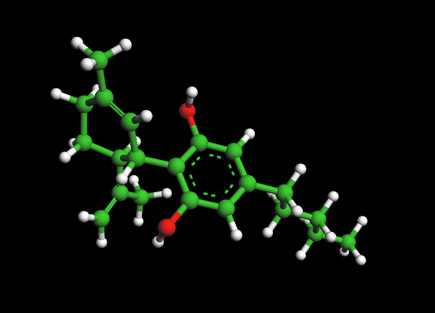 The National Football League has awarded a $1 million research grant to study the impacts of cannabinoids on pain management and neuroprotection in football players. The move represents a breakthrough given the NFL's longstanding zero-tolerance stance on cannabis use.



Recent comments
14 weeks 5 days ago
15 weeks 1 day ago
23 weeks 2 days ago
24 weeks 3 days ago
25 weeks 1 day ago
30 weeks 3 days ago
36 weeks 6 days ago
36 weeks 6 days ago
40 weeks 8 hours ago
40 weeks 6 days ago