 New Mexico's Gov. Michelle Lujan Grisham signed the state's cannabis legalization bill on April 12, allowing those age 21 and over to start cultivating up to six plants at home and possess up to 2 ounces (56 grams) outside their homes starting at the end of June. Retail sales are to begin in a year. On April 7, Virginia's Gov. Ralph Northam reached a deal with the General Assembly, winning amendments that speed up the state's legalization to July 1. The law will make home cultivation of up to four plants and possession of up to an ounce legal for those 21 and older. Sales are expected to begin in 2024. The Virginia law has strong social equity provisions, while those in the New Mexico bill were mostly put off to future legislation. (National Law Review, AP, NPR, Virginia Mercury, Marijuana Moment, Marijuana Moment)

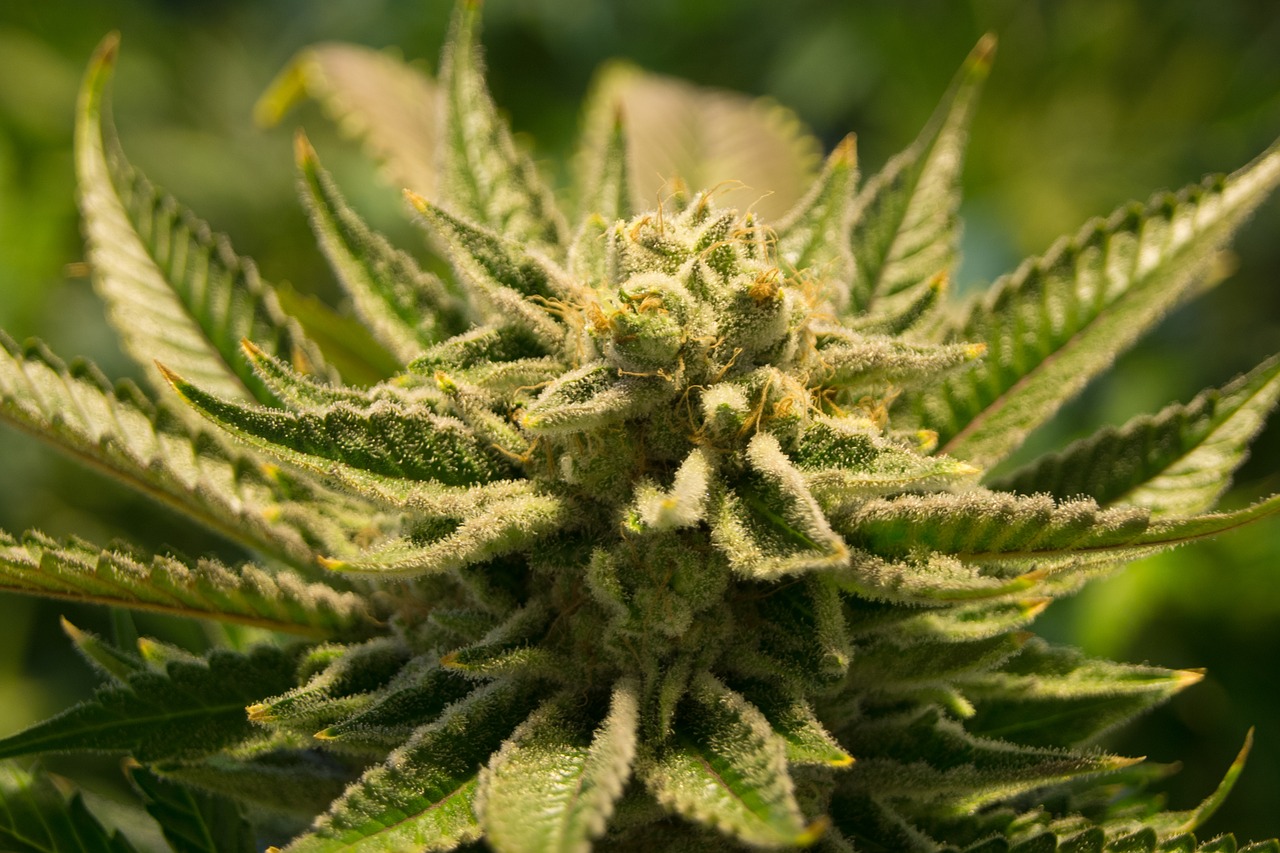 As political and legal space opens for cannabis in state after state, the idea of caps on the potency — whether of flower, extracts or edibles — is gaining currency. But voices in the cannabis industry view this as a phobic response rooted in the flawed assumptions of prohibition.
 Among the ambiguous areas in the state medical marijuana laws from coast to coast is the status of cannabis and its derivatives as veterinary medications. Now, a new non-profit has been launched to advocate for legal standards and clarity on the question.
 Even as the edifice of cannabis prohibition crumbles state by state, the federal illegality of the plant and its psychoactive compound THC continues to drive a quest for loopholes in the relevant statutes.
 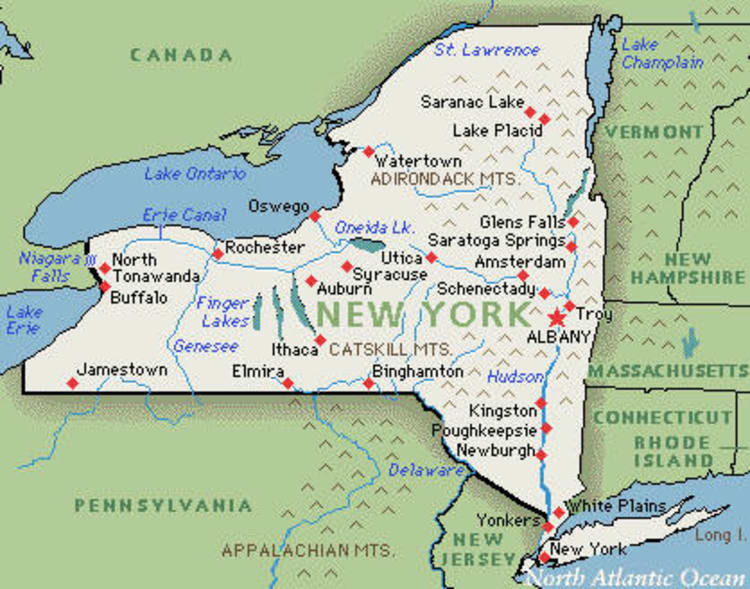 After years of activist effort, New York state finally passed the Marijuana Regulation & Taxation Act (MRTA), signed into law by a politically besieged Gov. Andrew Cuomo. This is being hailed as a victory by advocates, who pledge to craft a model of legalization that will dismantle a long legacy of racism and oppression under the prohibition regime.
 Veteran war photographer
  Bunny Wailer, a founder of the reggae musical genre, died in Kingston on March 2 at the age of 73. He was the last surviving member of the original Wailers, following Bob Marley's death from cancer in 1981, and Peter Tosh's murder during a robbery in 1987.
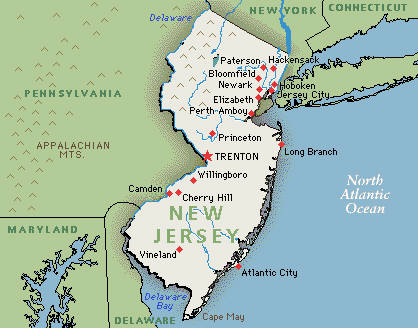 After a frustrating delay and deadlock in the statehouse, New Jersey finally answered the will of the voters in last year's referendum, and passed enabling legislation to create a regulated adult-use cannabis market. Activists are still dissatisfied with limits—most significantly, no provision for homegrown—and have concerns about how a "recreational" market will impact medical users. But the belated move is being hailed as a victory that ups the pressure on neighboring New York to follow through on pledges to legalize—and even on the federal government.






Recent comments
16 weeks 1 day ago
16 weeks 4 days ago
24 weeks 5 days ago
25 weeks 6 days ago
26 weeks 5 days ago
32 weeks 4 hours ago
38 weeks 2 days ago
38 weeks 3 days ago
41 weeks 3 days ago
42 weeks 3 days ago