
 Virginia Gov. Abigail Spanberger on May 18 vetoed a pair of bills that would have created a retail marketplace for legal marijuana in the state, saying the proposed legislation was premature and could not be "successfully implemented" without "unintended consequences that harm Virginians."
Virginia became the first southern state to legalize recreational marijuana in 2021, but the legislature deliberately separated possession from retail sales, leaving the commercial market to be established later. Under current state law, adults are allowed to possess up to one ounce of marijuana and grow up to four plants at home, but a retail framework has not been created. Former Governor Glenn Youngkin vetoed retail sales bills in both 2024 and 2025. Under Article V, Section 6 of the Virginia Constitution, the governor may veto any bill passed by the General Assembly by returning it with written objections to the originating chamber, where legislators may attempt to override it with a two-thirds vote of members present in each house.
Gov. Spanberger had pledged on the campaign trail to work with General Assembly leaders to find a path forward to a legal retail market. House Bill 642 and Senate Bill 542 were companion bills that would have opened a licensed retail marijuana marketplace in Virginia, with official sales projected to begin in January 2027. In April, Spanberger proposed amendments to the bills, including pushing the launch date to July 2027, reducing the number of licensed dispensaries from 350 to 200, and adding stronger enforcement provisions. However, the General Assembly voted against these amendments and returned the original bills unchanged.
In a statement, Gov. Spanberger expanded on Tuesday’s veto:
Virginians deserve a system that replaces the illicit cannabis market with one that prioritizes our children’s health and safety, public safety, product integrity, and accountability.
As Virginia pursues a legal retail market, it is critical that we incorporate lessons learned by other states and ensure that our regulatory framework is fully prepared to provide strong oversight from day one. That includes clear enforcement authority and sufficient resources for compliance, testing, and inspections, and robust tools to crack down on bad actors who continue to profit from the illicit market… I remain committed to working with members of the General Assembly, stakeholders, and law enforcement to get this right.
Following the veto, Virginia is unlikely to see legal retail marijuana sales until 2028 at the earliest, dependent on the outcome of next year’s legislative session.
From JURIST, May 21. Used with permission
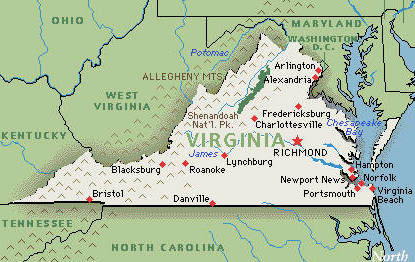
Graphic: Greenwich Mean Time




Recent comments
14 weeks 4 days ago
15 weeks 18 hours ago
23 weeks 1 day ago
24 weeks 2 days ago
25 weeks 22 hours ago
30 weeks 3 days ago
36 weeks 5 days ago
36 weeks 5 days ago
39 weeks 6 days ago
40 weeks 5 days ago