
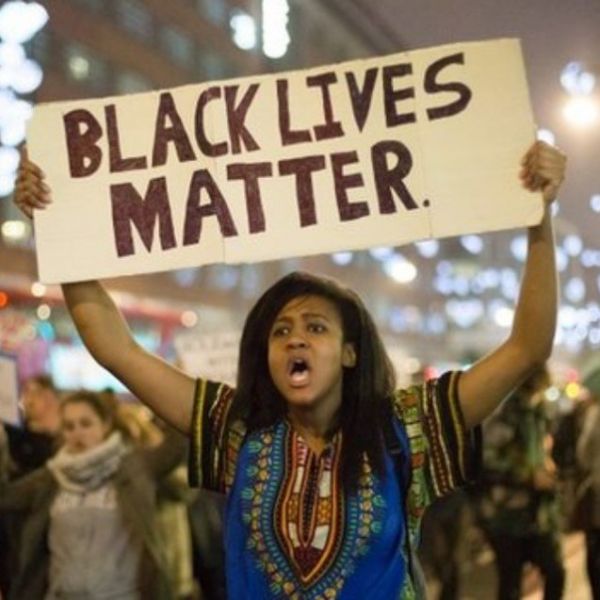
 The International Independent Expert Mechanism to Advance Racial Justice & Equality in Law Enforcement warned on Sept. 17 that harsh drug laws and policies continue to play a role in systemic racism against "Africans and people of African descent around the world." They advocated a shift to approaches based on public health and respect for human rights.
The official report concluded that drug control systems are fundamentally infused with racial discrimination. The experts summarized these findings in the conclusion, writing:
Racial discrimination in drug policy enforcement is systemic and rooted in the legacies of colonialism, enslavement, successive racially discriminatory policies and systems, and the globalization of prohibitionist drug control. Across regions, punitive drug control frameworks have disproportionately impacted Africans and people of African descent, not because of higher rates of drug use…but because of entrenched patterns of racial discrimination embedded in law.
The differential treatment the Expert Mechanism found includes racial profiling across all stages of the criminal process—questioning, arrests, prosecutions, sentencing, detention, and the consequences faced after being convicted. In general, there is evidence of over-policing of Black communities, leading to greater rates of arrest.
The recommended reforms are intended to go beyond individual, isolated changes. Rather, the Expert Mechanism emphasized that there is a need for a broader rethinking of current approaches. This will require prioritizing key values such as human rights, racial justice, and public health. These approaches have long been advocated by organizations like Amnesty International, recognizing alternative policies that emphasize healthcare and community support, and eliminating penalties such as incarceration for those who use drugs, ensuring that the disproportionate incarceration of marginalized groups does not continue.
Then report identifies systemic racial injustice as linked to the “continuing influence of the so-called 'war on drugs'" US President Richard Nixon officially declared the "war on drugs" on June 17, 1971, leading to harsh new policies and the creation of the Drug Enforcement Agency (DEA).
While this "war on drugs" rubric originated in the US, these policies have proliferated worldwide and now persist in many other countries, from Canada to the Philippines. The Expert Mechanism's findings are supported by extensive research from other organizations. The Equal Justice Initiative has explored racial disparities in the 1980s campaign against crack cocaine, which they say continue today. Human Rights Watch has long documented the human rights consequences of current drug policies. Other bodies of the UN have also found that people of African descent are more likely to be "stopped, searched, arrested, convicted, and harshly sentenced for drug crimes." These are only a few examples of decades of work on this topic.
The Expert Mechanism is an independent body established in 2021. The body derives its mandate from UN Human Rights Council resolutions 47/21 and 56/13, which detail various objectives related to "further transformative change for racial justice and equality in the context of law enforcement globally."
These findings will be presented to the Human Rights Council on September 29, during its 63rd session.
From JURIST, Sept. 17. Used with permission.
Graphic: Checkin Trapps




Recent comments
14 weeks 9 hours ago
14 weeks 3 days ago
22 weeks 4 days ago
23 weeks 5 days ago
24 weeks 3 days ago
29 weeks 5 days ago
36 weeks 1 day ago
36 weeks 1 day ago
39 weeks 2 days ago
40 weeks 1 day ago