
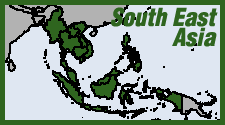
 Indonesia carried out its first executions in over a year on July 29, sending four drug convicts to a firing squad at the special island prison of Nusa Kambangan. The executions of the four—two Nigerians, one Senegalese and one Indonesian—came despite diplomatic pressure and international condemnation. As many as 10 other people await execution in Indonesia—including foreign nationals, and almost entirely on drug-related charges. Campaigners are still trying to win clemency for Zulfiqar Ali, a Pakistani man who "confessed" to heroin possession after being brutally beaten by police, and Merri Utami, an Indonesian woman arrested with heroin in her bag at Jakarta's airport after being tricked into becoming a drug mule. Their executions are believed to be imminent.
 In an utterly bizarre case reported in Oregon's
 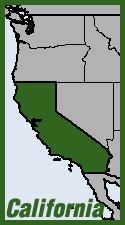 Northern California's traditional cannabis heartland of Humboldt County this summer gave an official go-ahead for two commercial medical marijuana farms, the
 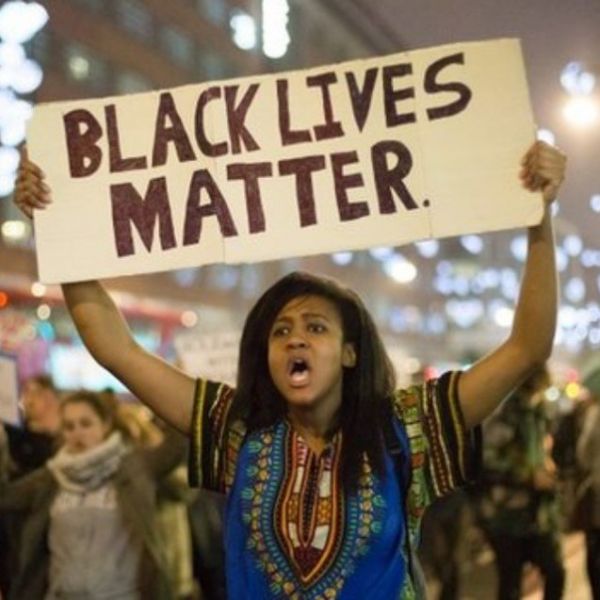 Amid a growing sense of crisis here in the United States, comes the unwelcome news that the White House will reconsider its
 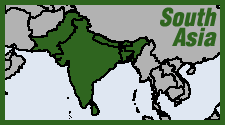 The landlocked Himalayan kingdom of Bhutan was traditionally isolated—only getting television as recently as 1999. Since opening up, alas, it has been increasingly drawn into the multiple armed conflicts rocking the greater region—especially becoming a
 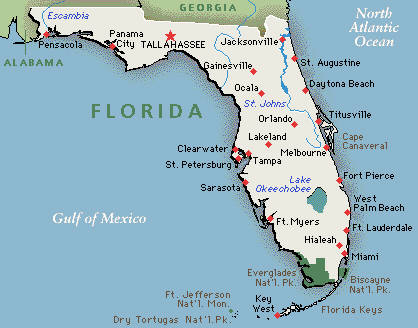 A north Florida company on July 20 was awarded the state's first license to process and distribute medical marijuana for the limited number of patients who qualify under stringent regulations.
 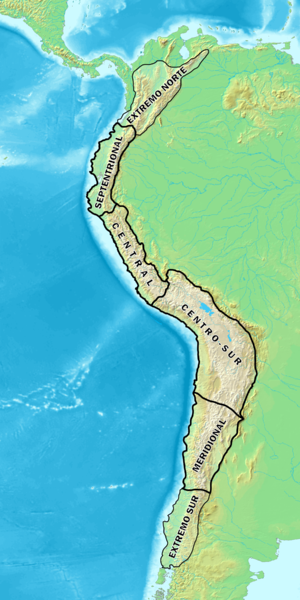 The UN Office on Drugs and Crime (



Recent comments
15 weeks 1 day ago
15 weeks 4 days ago
23 weeks 5 days ago
24 weeks 6 days ago
25 weeks 4 days ago
30 weeks 6 days ago
37 weeks 2 days ago
37 weeks 2 days ago
40 weeks 3 days ago
41 weeks 2 days ago