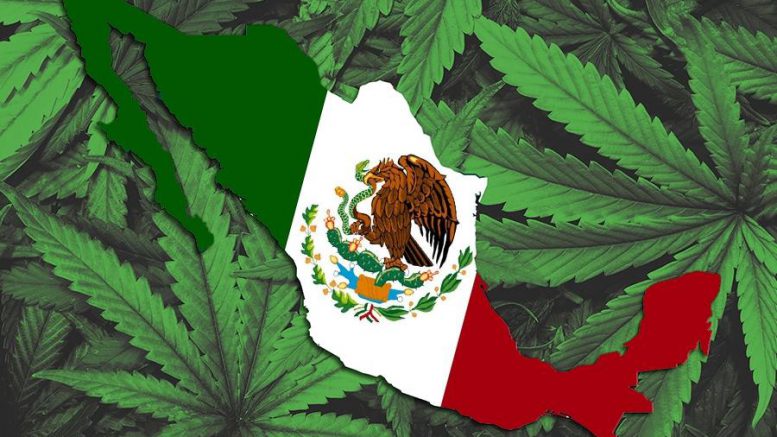
 Two years and counting after Mexico’s Supreme Court ordered the country’s Congress to legalize cannabis, the high court justices ran out of patience with the legislative paralysis and issued a new ruling — this one removing penalties for personal use by judicial decree.
But there is no provision for commercial production, and the decree calls for tight federal regulation even of personal possession and cultivation. Will this move prove to be at least a beginning in the daunting challenge of ending Mexico’s long and bloody narco-nightmare?

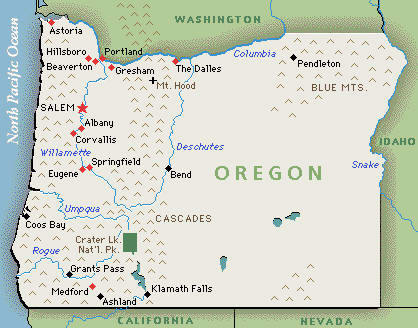 Industrial-scale illicit cannabis grow operations are being raided by police in Southern Oregon. Licit-market prices are totally depressed in Oregon, yet the illicit market continues to be evidently lucrative. What explains this contradiction, and what can be done?
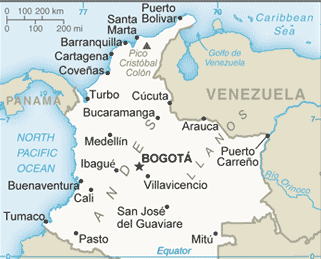 Colombia is at a crossroads with the historic election of the left-populist Gustavo Petro as president. But will he be able to close the country’s cannabis gap? Big Bud is booming, while small peasant producers face continued eradication.
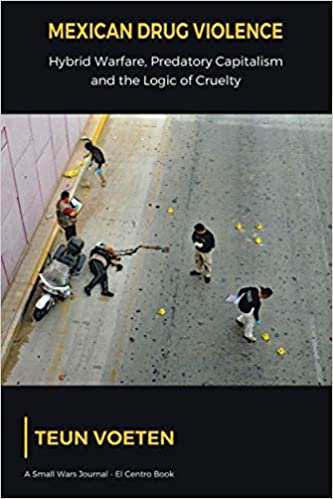 Veteran war photographer
 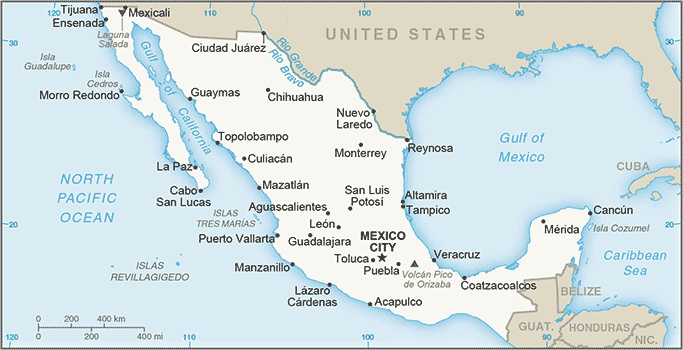 Mexico's President Lopez Obrador met with Trump at the White House this week to inaugurate the new trade treaty that replaces NAFTA. Embarrassingly, the meeting was punctuated by horrific new outbursts of narco-violence in Mexico. And the country's promised cannabis legalization—mandated by the high court and looked to as a de-escalation of the dystopian drug war—is stalled by a paralyzed Congress.
 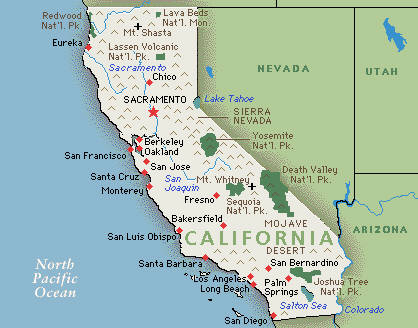 Cannabis may be legal in California, but illicit cultivation persists—especially in the National Forests, where it often takes a grave ecological toll. The CROP Project—for Cannabis Removal On Public Lands—is now bringing together environmentalists, law enforcement and the legal cannabis industry for a coordinated approach to the problem.



Recent comments
3 weeks 6 days ago
4 weeks 6 days ago
5 weeks 3 hours ago
6 weeks 2 days ago
11 weeks 3 days ago
13 weeks 6 days ago
19 weeks 3 hours ago
30 weeks 6 days ago
33 weeks 12 hours ago
34 weeks 12 hours ago