
 April 20 has become a national day of celebration for the hedonistic cannabis subculture, but it has also long been marked by the radical right and Nazi-nostalgists around the world for unsavory reasons. It now emerges that Trump's Inauguration Day executive order declaring a state of emergency on the southern border also set a deadline of April 20 for a joint Pentagon-Homeland Security recommendation on whether to invoke the Insurrection Act. This has sparked much speculation that Trump will immediately do so, declaring martial law and consolidating a dictatorship... this weekend. How likely is this, and is the date a mere coincidence? In Episode 274 of the CounterVortex podcast, Bill Weinberg breaks it down.
 The
The 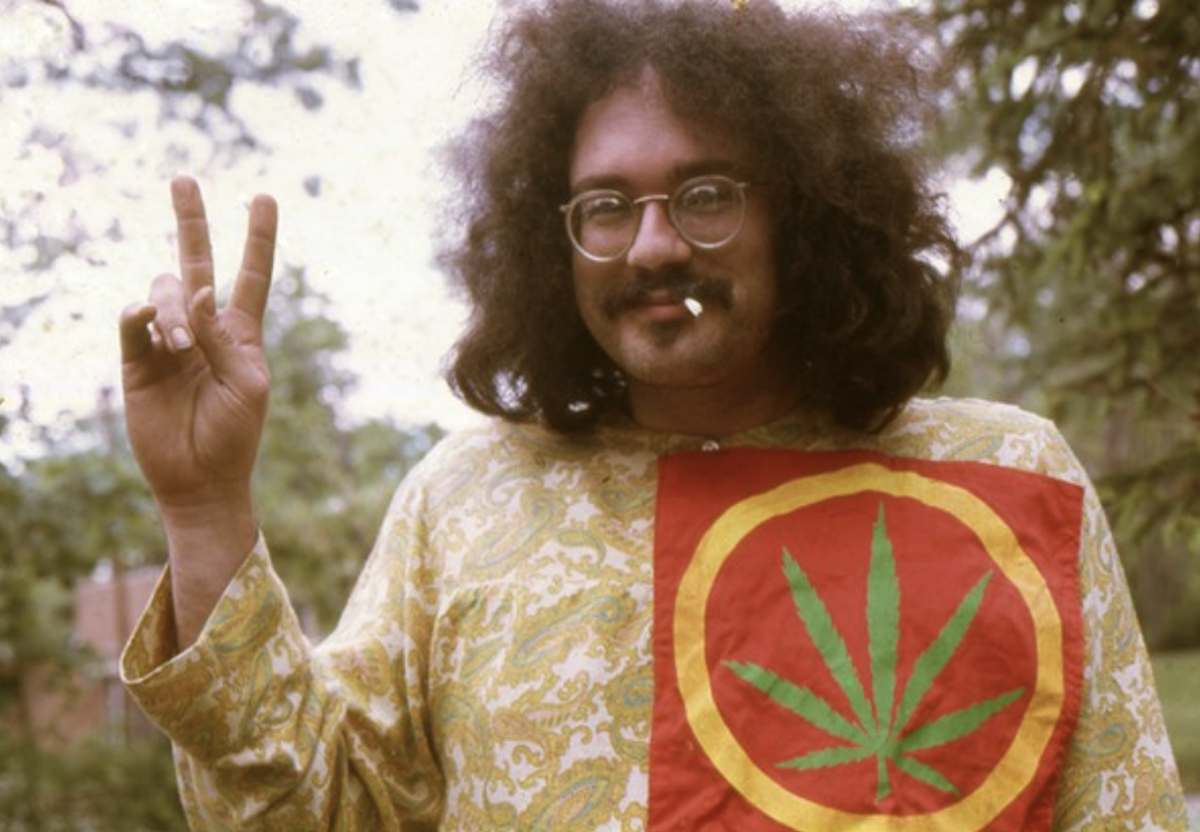 John Sinclair—poet, activist and leading figure in America's radical youth movement of the 1960s—died in a Detroit hospital April 2 at the age of 82. He was famous as manager and central personality behind the Motor City proto-punk band
 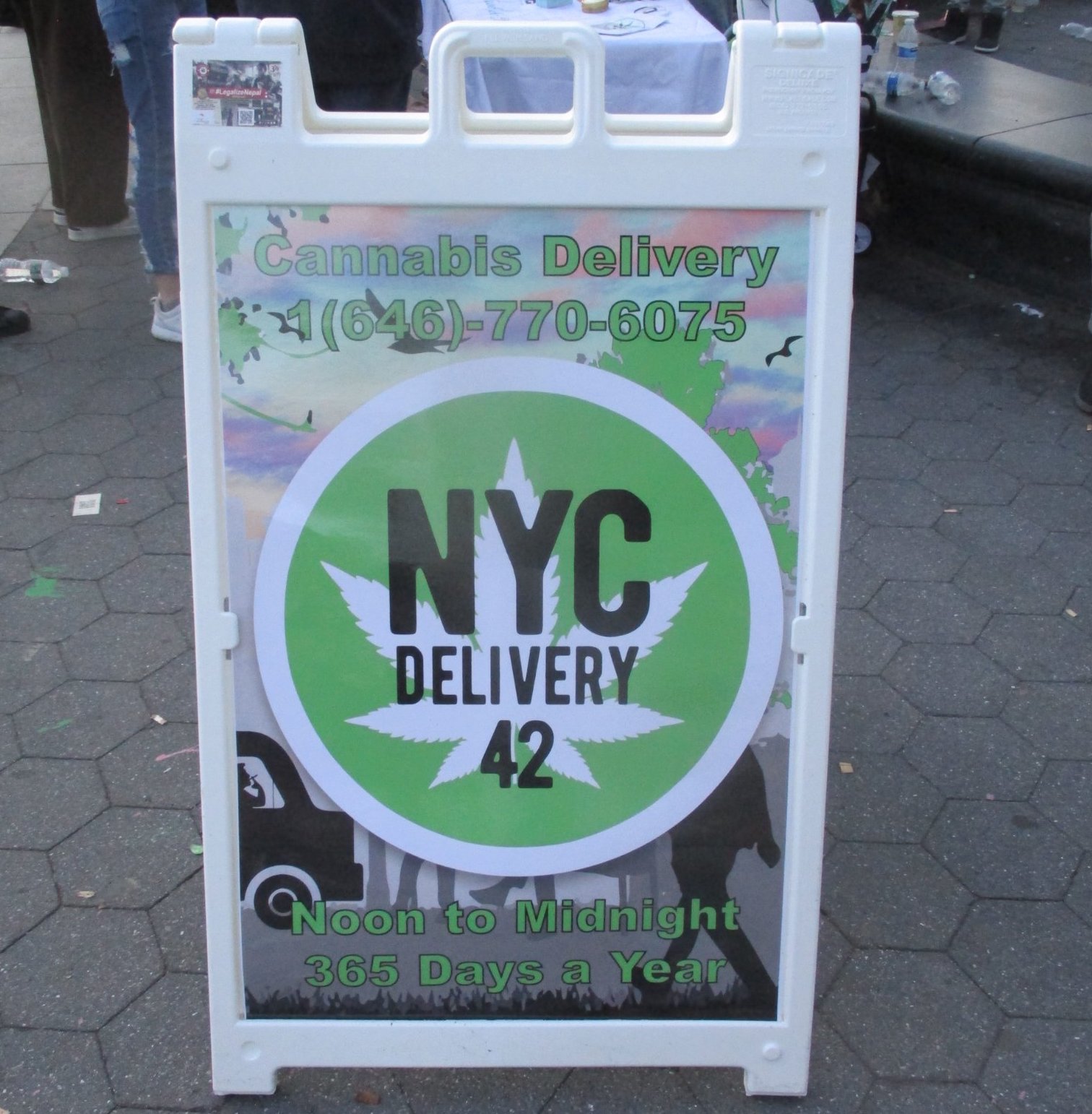 The long-promised crackdown on unlicensed cannabis sales is finally arriving in New York City. The permanent cannabis carnival in Washington Square has been cleared by the police, and unlicensed stores are being raided. Yet, in a bitter irony, obstacles to the licensed retail sector, including legal challenges, continue to mount.
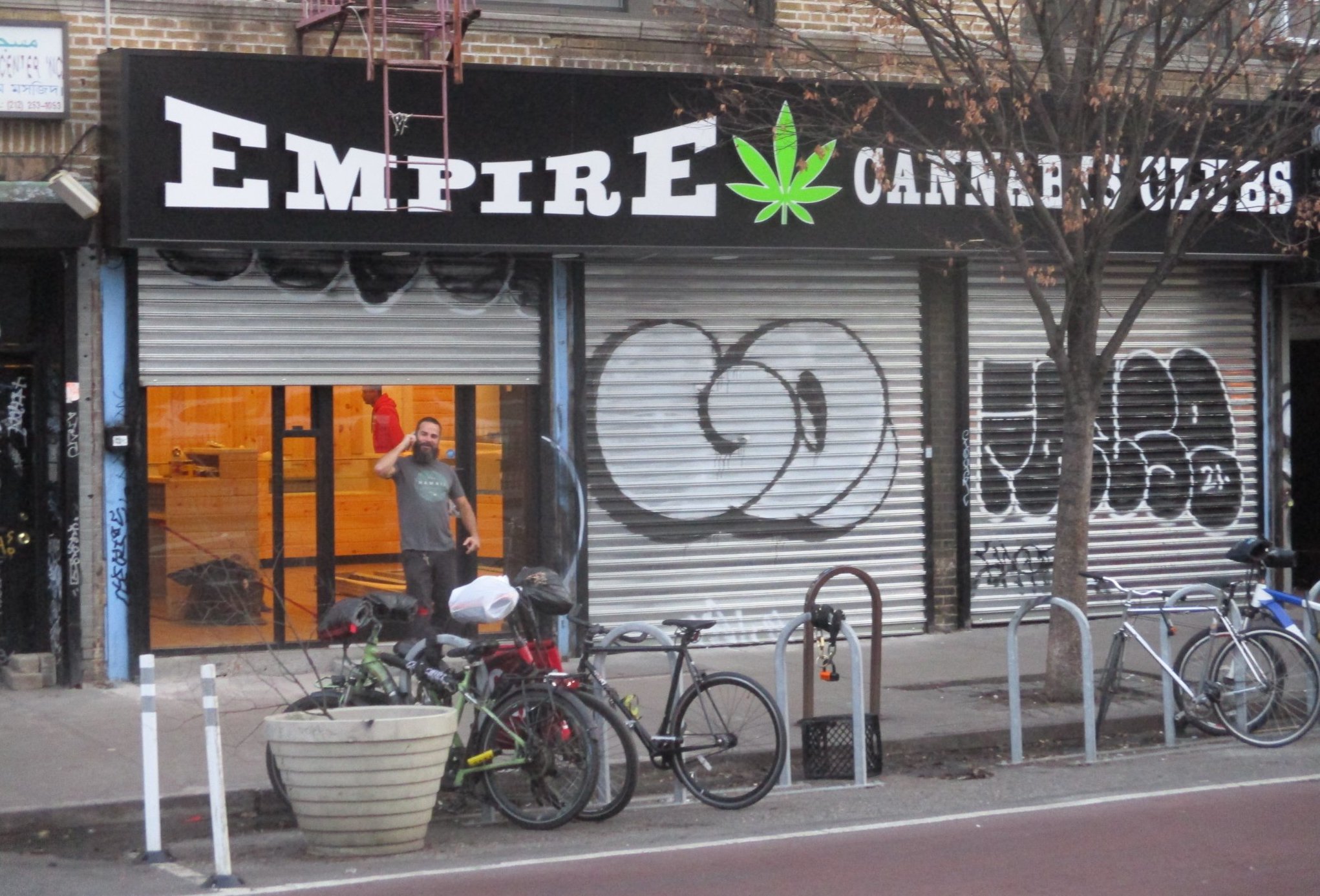 New York City’s Empire Cannabis Clubs has been pushing the proverbial envelope on the possibilities for unlicensed dispensaries that still comply with the law. But raids on two of their Manhattan locations may provide a test case for the viability of this model.
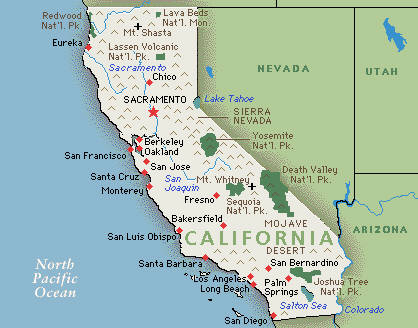 There is grim news from California, where cannabis industry profits are dropping, robberies of dispensaries are soaring, and police raids on unlicensed growers continue in the Emerald Triangle. Can the seeming slip back into pre-legalization dystopia be arrested?
 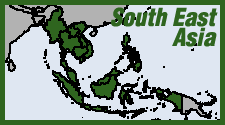 Singapore just executed a man for cannabis—and for just one kilo. Even worse, the trial appears not to have even met basic standards for fairness. This outrage comes just as neighboring Malaysia is finally following through on pledges to limit use of the death penalty—five years after a global outcry when a compassionate care provider was sentenced to be hanged for supplying cannabis oil. Despite the quasi-decriminalization in Thailand, Southeast Asia remains one of the most repressive regions on earth where the herb is concerned.
 It’s a fairly open secret that Brittney Griner was Putin’s geopolitical pawn when she was in Russian detention for nine months on a minor cannabis charge. And her freedom came at a high price—swapped for a Russian “Death Merchant” who now boasts he’ll aid Putin’s savage war in Ukraine. But GOP exploitation of Griner indicates that she remains a political pawn even as a free woman in America.



Recent comments
12 weeks 20 hours ago
16 weeks 1 day ago
17 weeks 5 days ago
17 weeks 6 days ago
30 weeks 1 day ago
35 weeks 6 days ago
46 weeks 6 days ago
47 weeks 6 days ago
49 weeks 3 days ago
49 weeks 6 days ago